

Title: What to Pack for Vietnam: The Complete Packing Guide by Season & Region

Description: A practical Vietnam packing guide covering what to bring for the north's cool winters, the south's year-round heat, and everything in between — plus what you genuinely don't need.

What to pack for Vietnam  ·  Vietnam packing list  ·  Vietnam packing guide by season  ·  what to wear Vietnam  ·  Sapa packing list  ·  Vietnam travel checklist

Packing Guide    Vietnam

What to Pack
for Vietnam

The single biggest packing mistake for Vietnam is packing for one climate when the country genuinely has several. What you need depends heavily on which regions you're visiting and when — here's the practical, honest breakdown.

Before the list

Pack in Layers, Not for One Climate

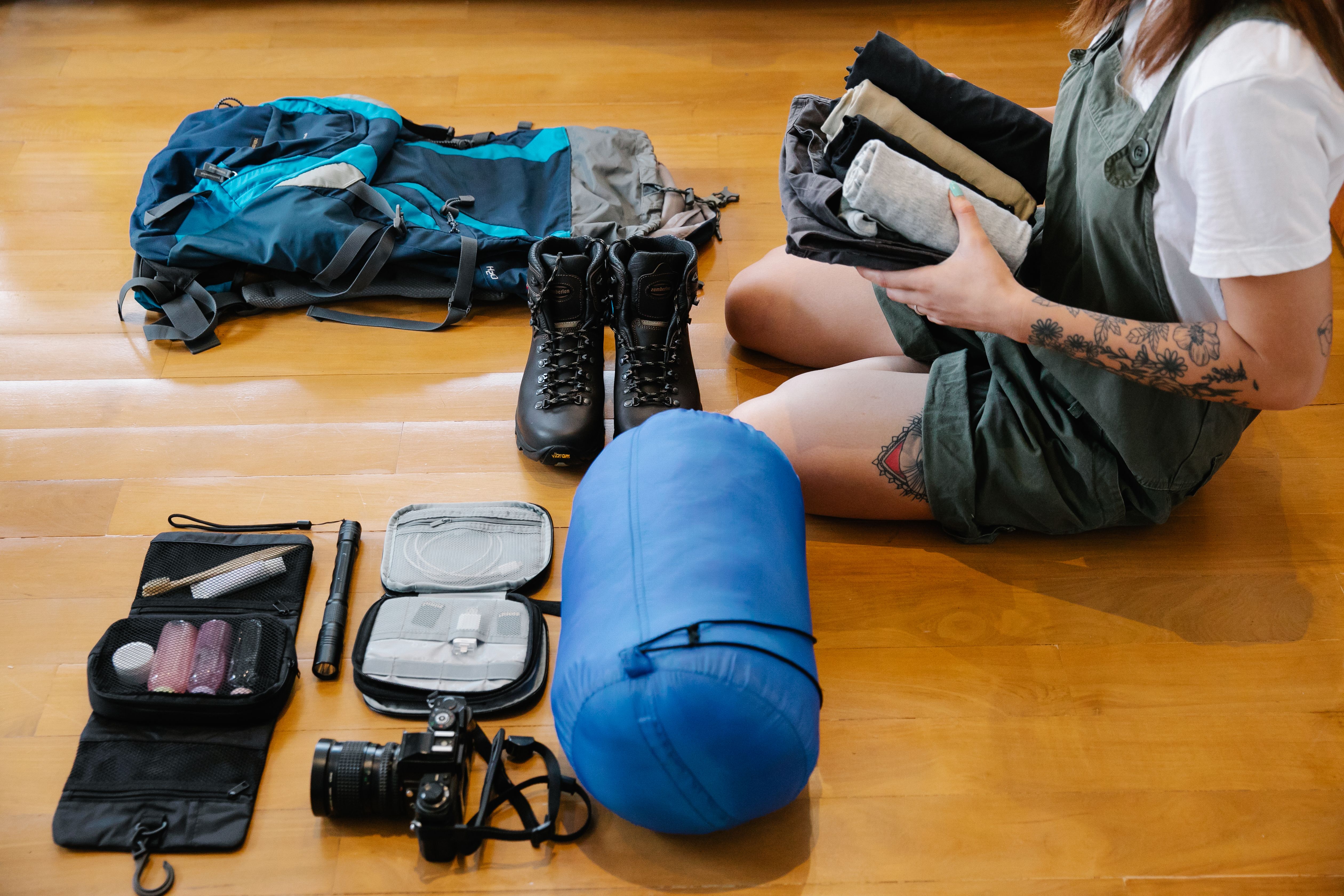
A north-to-south Vietnam itinerary can mean genuinely cold mornings in Sapa (single digits Celsius in winter) and sweltering 34°C heat in Ho Chi Minh City within the same 2-week trip. The solution isn't packing separately for each region — it's packing versatile layers that work across the range, plus a small number of region-specific items. Below is the framework, followed by the region-by-region detail.

Works everywhere

The Core List — What Everyone Needs

Sapa cooking class local home rain
Category Items & notes
Clothing base Lightweight, breathable, quick-dry fabrics (avoid heavy cotton, which stays damp in humidity). Several t-shirts/tops, 2–3 pairs of lightweight trousers or shorts, one modest outfit for temple visits (shoulders and knees covered).
A packable rain layer Vietnam sees rain somewhere on your itinerary regardless of season. A compact, packable rain jacket is more useful than an umbrella for most activities, particularly trekking or motorbike travel.
Comfortable walking shoes Vietnam involves genuine walking — uneven Old Quarter pavements, temple grounds, market streets. Broken-in trainers or light hiking shoes over anything stiff or new.
Sandals or flip-flops For beaches, boat trips, and the frequent shoe-removal required at homestays and some temples.
Sun protection Reef-safe sunscreen (required on most Ha Long Bay cruises and good practice generally), a hat, sunglasses. Vietnam's sun is strong year-round in the centre and south.
Insect repellent DEET-based repellent for evenings, particularly in Ninh Binh, the Mekong Delta, and any rural or forested stops.
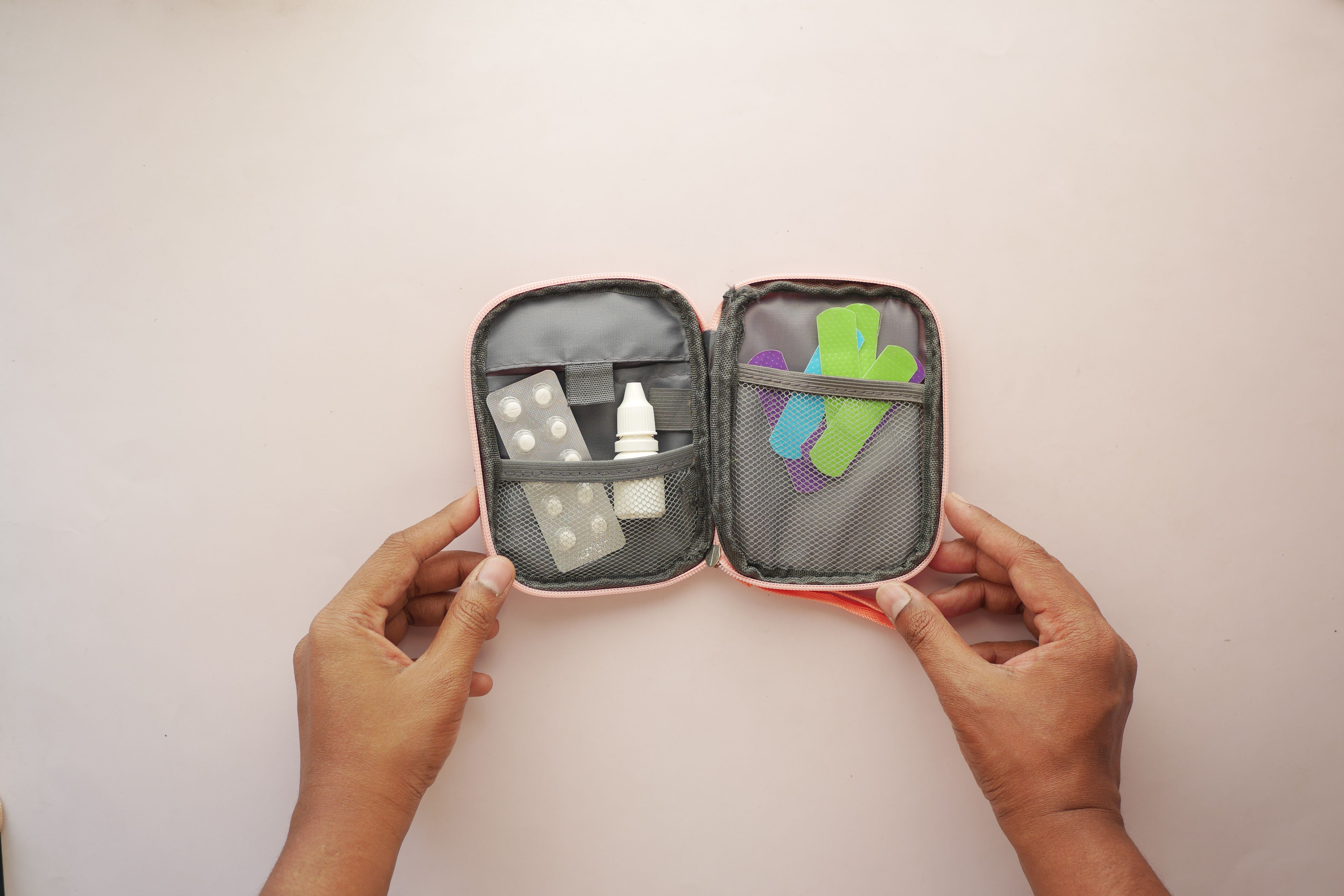
Basic medical kit Rehydration salts, anti-diarrhoeal medication, any personal prescriptions in original packaging, plasters, and mild pain relief. Pharmacies are widely available in cities but less so in remote areas.
Region by region

What to Add by Region

Sapa cooking class local home rain
North Vietnam — Hanoi, Sapa, Ha Long Bay, Ninh Binh
Oct–Apr (cool/dry season): A warm layer is essential — a fleece or light jacket for Hanoi evenings, and a genuinely warm jacket, hat, and gloves if visiting Sapa Dec–Feb (temperatures can approach freezing). Thermal base layers if trekking in winter.
May–Sep (hot/rainy season): Lighter clothing, but keep the rain jacket handy — this is peak rain season in the north. Quick-dry fabric matters more here given the humidity.
Central Vietnam — Da Nang, Hoi An, Hue, Da Lat
Da Nang/Hoi An/Hue (coastal, year-round warm): Beachwear, light breathable clothing, sandals. A rain jacket is particularly important Sep–Jan, when this region sees its heaviest rainfall — the opposite pattern from the north and south.
Da Lat (cool highland climate, different from the coast): This catches many travellers off guard — Da Lat sits at 1,500m and is genuinely cool year-round (average 18–24°C, cooler at night). Bring a light jacket or cardigan even in the middle of summer if Da Lat is on your itinerary.
South Vietnam — Ho Chi Minh City, Mekong Delta, Phu Quoc
Hot year-round (28–35°C) with no genuine cool season — pack the lightest, most breathable clothing of the whole trip. No warm layers needed at all here. A light rain jacket for the May–November wet season, when afternoon storms are frequent but usually brief and intense rather than prolonged.
Activity-specific

Extra Items for Specific Activities

Activity What to add
Sapa or Ha Giang trekking Proper trekking or hiking shoes (not just trainers) with good grip for muddy trails, a small daypack, trekking poles if you have them, a dry bag for electronics.
Ha Long / Lan Ha Bay cruise Swimwear, reef-safe sunscreen (many cruises require this specifically), a light cover-up, a change of clothes for after kayaking, a waterproof phone case if planning to photograph from the water.
Temple & pagoda visits Clothing covering shoulders and knees is required at most temples — a light scarf or sarong is useful as a versatile cover-up if your regular clothing doesn't meet this on a given day.
Motorbike travel (Ha Giang, general) A proper helmet if you have one you trust (rental shop helmets are often thin), a buff or scarf for dust protection, gloves, and closed-toe shoes rather than sandals.
The honest section

What You Genuinely Don't Need to Pack

👕   A full wardrobe for every day — laundry service is cheap and fast almost everywhere in Vietnam (often same-day, a few dollars per kilo). Pack for 5–7 days and launder rather than overpacking.
💊   An extensive medical kit — pharmacies in cities are well-stocked and staff are generally helpful even with a language barrier. A basic kit for the first day or two is sufficient.
🌂   A large umbrella — a compact rain jacket handles Vietnam's rain patterns better, especially if you're moving between transport and activities frequently.
🥾   Heavy hiking boots for a standard itinerary — unless doing serious multi-day trekking, comfortable trainers handle Vietnam's cities, temples, and light trekking (Ninh Binh, gentle Sapa trails) perfectly well.
Common questions

Frequently Asked Questions

What's the biggest packing mistake first-time visitors make?

Packing for only one climate — usually the warm south — and then being caught off guard by genuinely cold conditions in Sapa or unexpectedly cool evenings in Da Lat. The second most common mistake is overpacking clothing volume when laundry service is cheap and widely available throughout the country.

Can I buy anything I forget once I'm in Vietnam?

Almost certainly, especially in Hanoi and Ho Chi Minh City — clothing, basic toiletries, umbrellas, sunscreen, and even reasonably priced trekking gear are all readily available. The main exceptions are specific prescription medications (bring these from home in original packaging) and larger sizes of clothing/shoes, which can be harder to find outside major shopping centres.

Is there a dress code I should be aware of generally?

Vietnam is generally relaxed about dress in cities and tourist areas, though modest coverage (shoulders and knees) is expected at temples and pagodas. Beachwear is fine at beaches but not typically worn walking through towns. In rural and minority village areas, slightly more conservative dress is appreciated as a matter of respect, though not strictly enforced.

Packed and Ready — Let's Plan the Rest

Azotar Travel designs private tours and small group tours across every region mentioned in this guide. Tell us where you're headed and we'll help you know exactly what to expect.

Plan My Vietnam Trip → View All Tours →

0 Comment