


Title: Sapa vs Ha Giang vs Cao Bang: Which Northern Vietnam Mountain Trip Is Right for You?
Description: An honest three-way comparison of Vietnam's great mountain destinations — and why Cao Bang, the least crowded of the three, deserves far more attention than it gets.
Sapa vs Ha Giang vs Cao Bang · Cao Bang travel guide · Ban Gioc waterfall · best mountain destination northern Vietnam · Cao Bang vs Ha Giang · off the beaten track Vietnam
Three Mountain Regions, Three Very Different Trips
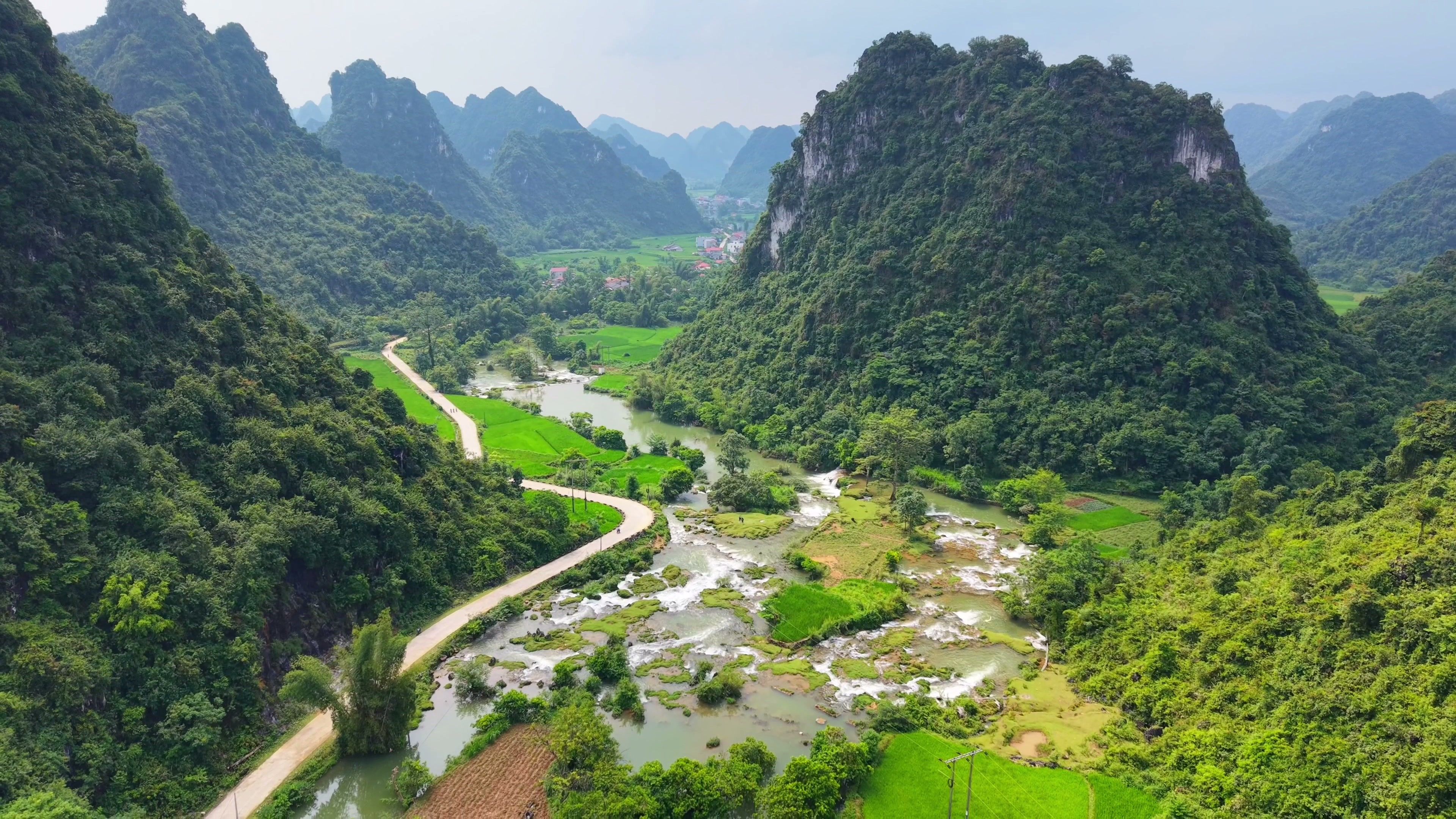
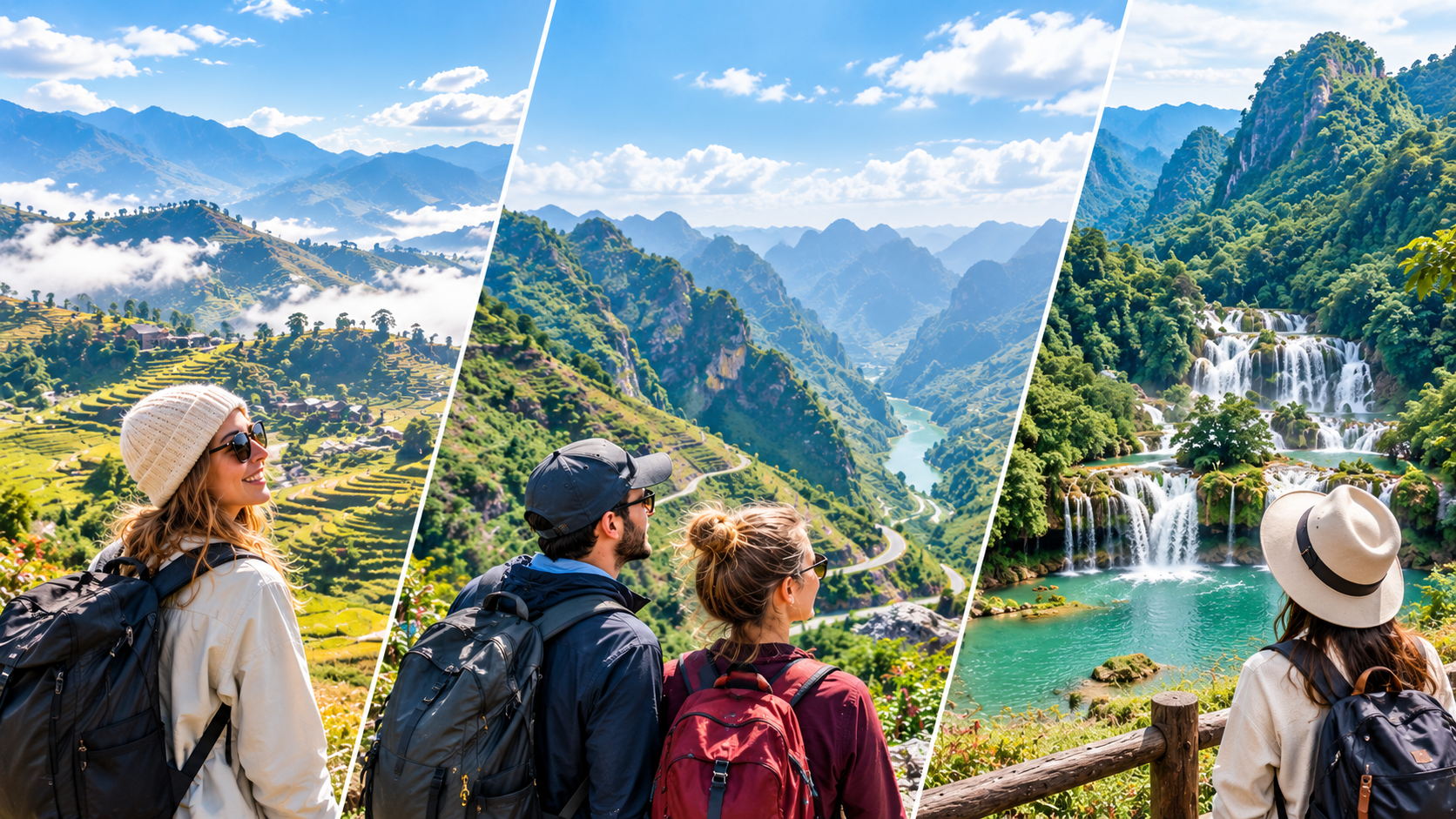
Sapa, Ha Giang, and Cao Bang are all in Vietnam's far north, all mountainous, and all home to ethnic minority communities with distinct cultures. Beyond that, they're genuinely different experiences — Sapa is trekking on foot, Ha Giang is an epic motorbike or road loop, and Cao Bang is a slower, waterfall-and-cave-centred journey that happens to be the least visited of the three by a wide margin.
That last point deserves more weight than it usually gets. Sapa's popularity has brought real commercialisation. Ha Giang's dramatic reputation has made it the fastest-growing of the three in tourist numbers. Cao Bang remains the one almost nobody has heard of — and for travellers who want the scenery and culture without the crowds, that absence of fame is arguably its single greatest asset.
Category by Category
Why Cao Bang Deserves to Be Named in the Same Breath
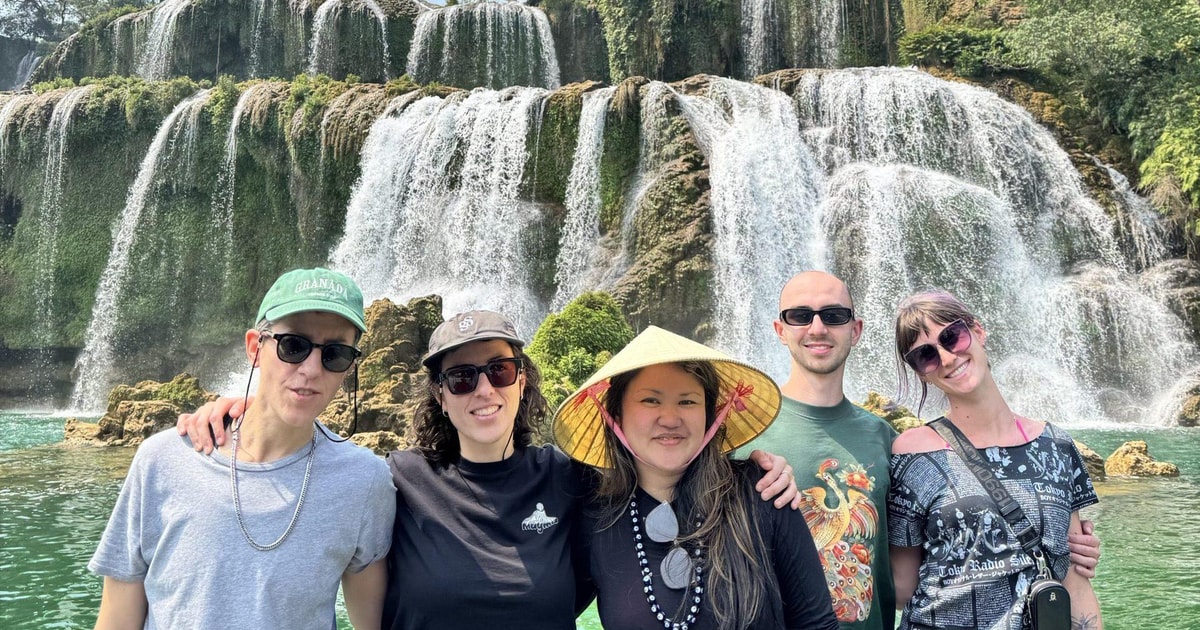
Cao Bang has, arguably, the single most dramatic natural landmark of the three: Ban Gioc Waterfall, the largest natural waterfall in Southeast Asia by width, straddling the Vietnam–China border in a setting of rice paddies and karst mountains that genuinely rivals anything in Sapa or Ha Giang. Unlike Sapa's terraces or Ha Giang's passes, which have become genuinely crowded in peak season, Ban Gioc still offers mornings where a bamboo raft glides toward the falls with no other visitor in sight.
It also offers something neither of the other two can match: a direct, physical connection to modern Vietnamese history. Pac Bo Cave, where Ho Chi Minh lived after returning to Vietnam in 1941 to organise the resistance movement that would eventually defeat two world powers, is a site of genuine historical weight — standing in that small cave is a different kind of experience from a scenic viewpoint, however beautiful.
And then there's Nguom Ngao Cave (one of Vietnam's most spectacular cave systems, 3km from Ban Gioc and visited by almost nobody relative to its scale), and the Cau Son–Ban Thi lake system en route, often called "Ha Long Bay in the mountains" for its karst islands rising from still water. Cao Bang isn't a lesser version of Sapa or Ha Giang — it's a genuinely different, arguably richer combination of natural spectacle and history that simply hasn't caught on with international travellers yet.
Which One Is Right for You?
Can You Combine Cao Bang and Ha Giang?
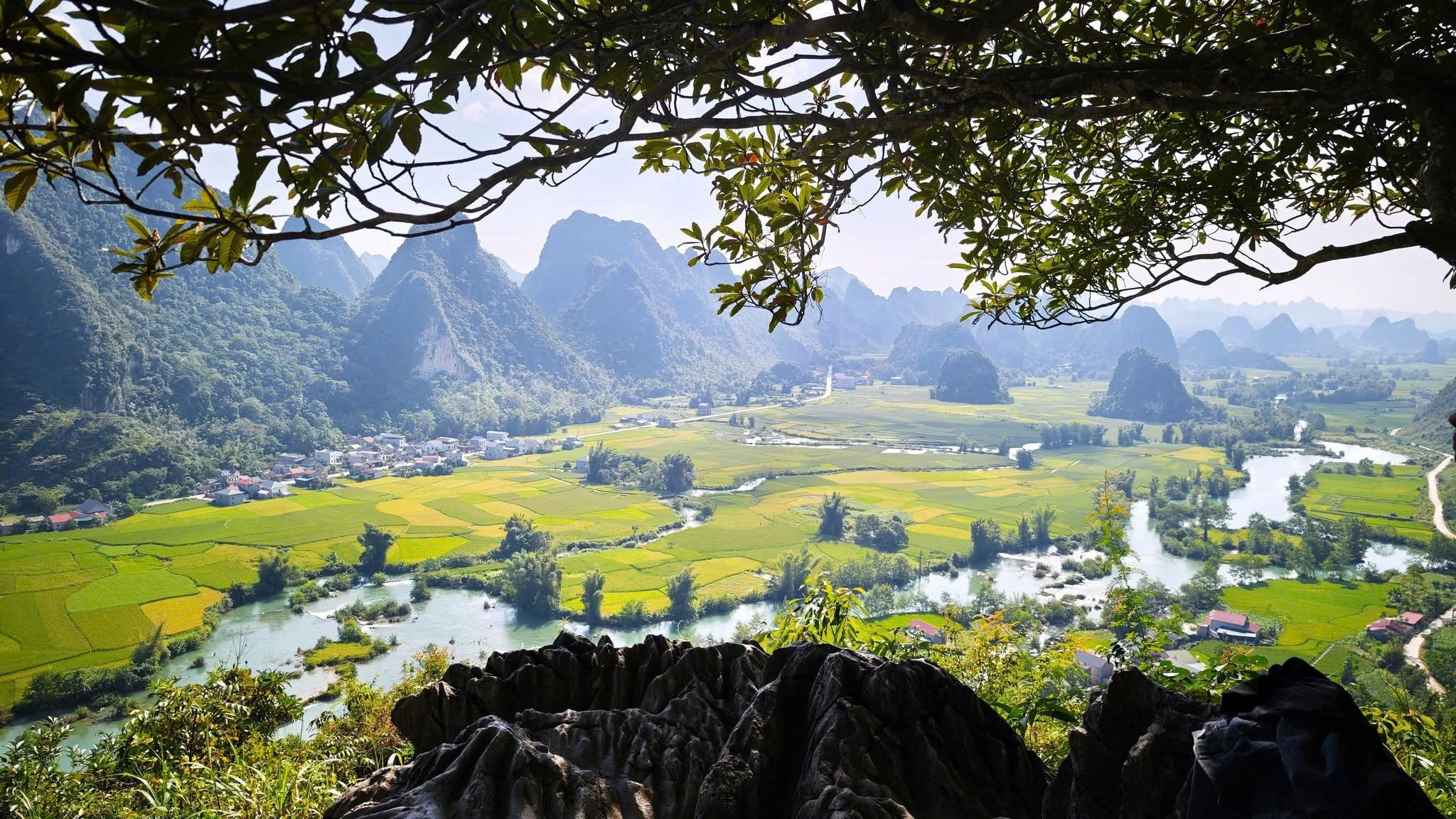
Yes — and for travellers with 6–8 days, it's one of the most rewarding extended loops in northern Vietnam. The two provinces are adjacent, connected by mountain roads that are themselves part of the appeal, and together offer genuinely complementary experiences: Cao Bang's waterfalls, caves, and history, followed by Ha Giang's karst plateau and the legendary Ma Pi Leng Pass. A private driver who knows the connecting route well is the key to making this combination work smoothly rather than feeling like two disconnected trips stitched together.
Frequently Asked Questions
Mainly logistics and marketing history — Sapa benefited from early French colonial-era tourism development, and Ha Giang's dramatic road scenery went viral on social media over the past several years. Cao Bang's roads took longer to develop for comfortable travel, and it simply hasn't had the same visibility, despite having a waterfall that genuinely rivals the scenery of both better-known regions. This is changing, but slowly — which is exactly the appeal for travellers visiting now.
Less known, not less beautiful. Ban Gioc Waterfall is a genuinely world-class natural sight by any objective measure, and the karst scenery around Trung Khanh district and the Cau Son lakes stands up well against Ha Giang's plateau. What Cao Bang lacks is reputation, not substance — which is precisely why travellers who go tend to come back recommending it enthusiastically to others.
Cao Bang, somewhat surprisingly. It requires no multi-day trek (unlike Sapa) and no motorbike skill or long loop commitment (unlike Ha Giang) — the main sights (Ban Gioc, Nguom Ngao, Pac Bo) are accessible comfortably by private car over 3 days, making it genuinely the lowest-effort, highest-reward option of the three for a traveller with limited time who still wants a proper mountain province experience.
Discover Northern Vietnam's Best-Kept Secret
Azotar Travel runs private tours and small group tours to Sapa, Ha Giang, and Cao Bang — including the right driver for Cao Bang's roads and the local relationships that make its history come alive.
| Plan My Mountain Trip → | View All Tours → |

0 Comment