


|
Title: Cao Bang Motorbike Tour: Everything You Need to Know Description: Planning a Cao Bang motorbike tour? Here's what Europeans and Australians need to know: self-ride vs riding pillion, licence and IDP rules, the 3-day route, difficulty and riding gear. Focus: Cao Bang motorbike tour, Ban Gioc motorbike, Vietnam motorbike licence tourists, Northern Vietnam motorbike tour, self-ride or pillion Vietnam |
|
Azotar Travel Guide Cao Bang Motorbike Tour: Everything You Need to KnowEverything a rider from Europe or Australia needs to decide before booking: who should ride, what paperwork you need, what each day feels like in the saddle, and what to wear. |
In this guide
|
1. Self-Ride or Ride Pillion?
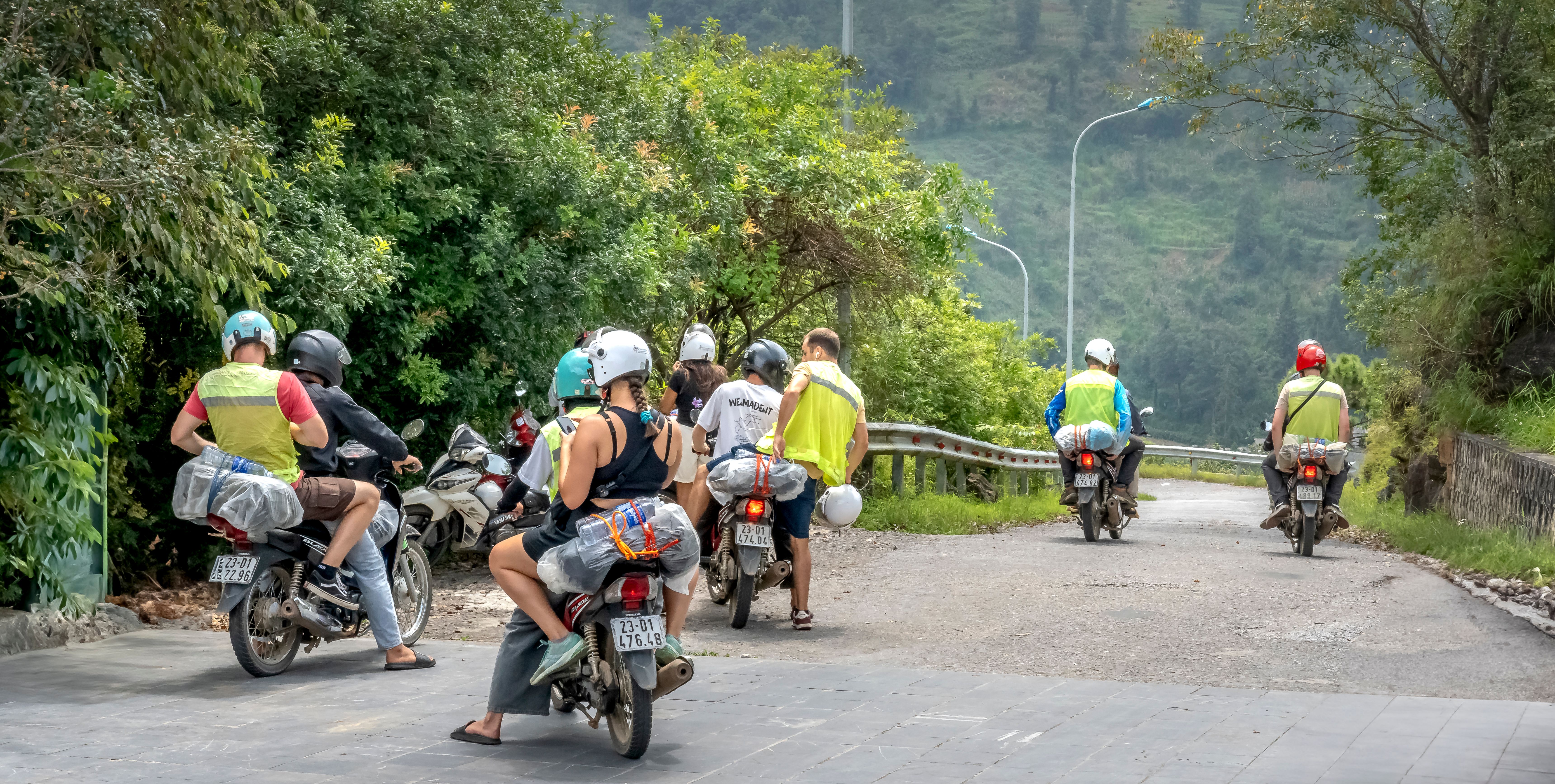
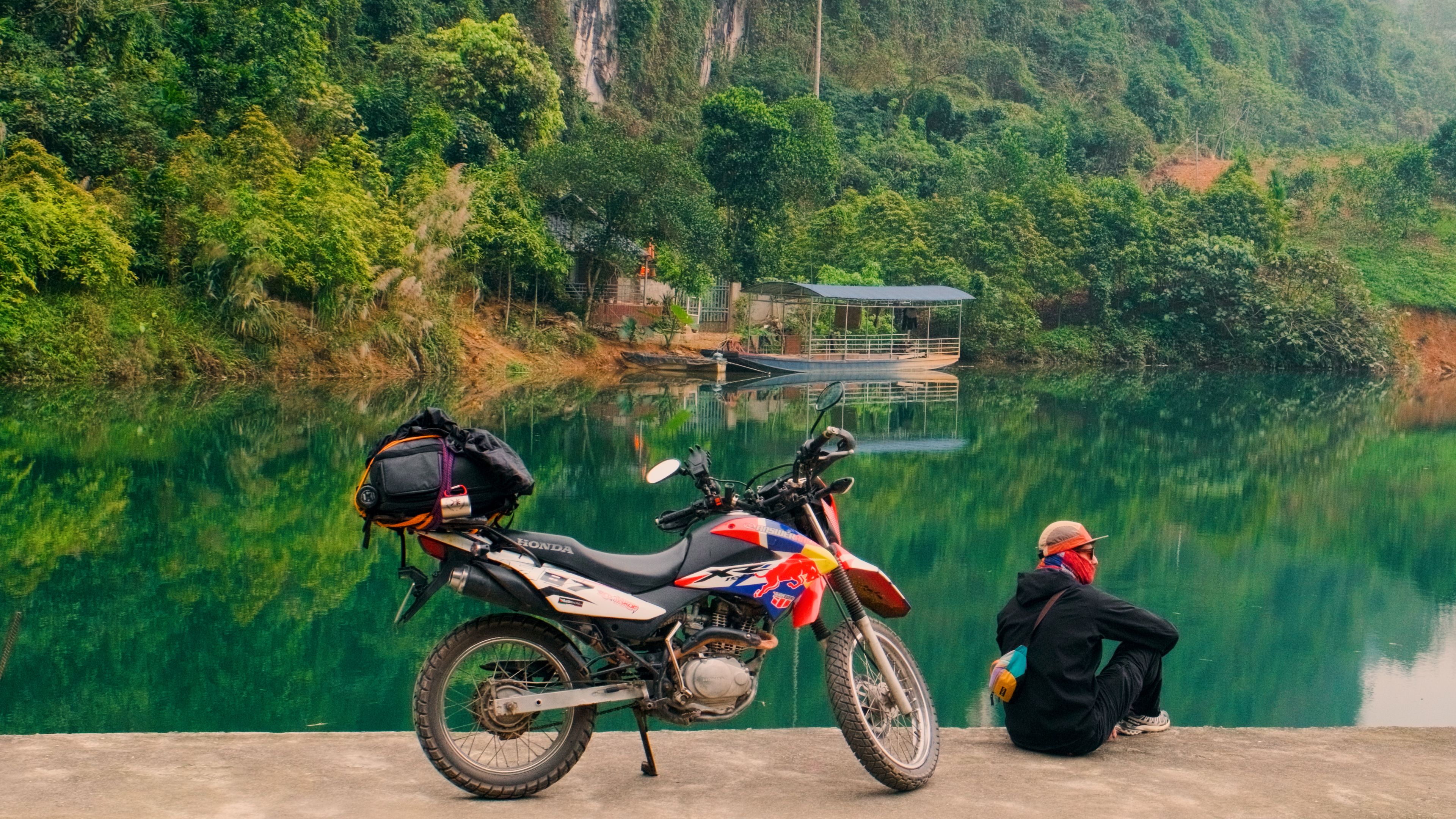
Cao Bang's mountain roads are quieter than Vietnam's busiest riding routes, which makes the region appealing for a motorbike trip. The first decision is whether you ride yourself or sit behind an experienced local rider. Neither is the "lesser" option. The right choice depends on your paperwork and your experience.
|
Self-ride if you… Hold a licence with a motorbike category Have a valid IDP accepted in Vietnam Ride regularly, ideally on twisty roads Are comfortable on a manual or semi-automatic bike Have travel insurance that covers riding |
Ride pillion if you… Don't have a valid licence and IDP combination Have little or no mountain riding experience Want to watch the scenery, not the road Are travelling as a couple and prefer one rider Would rather save your energy for the hikes |
Riding pillion still gives you the open-air experience, the smell of the rice paddies and the freedom to stop for photos. A local rider handles the bends, the trucks and the navigation.
2. Licence and Paperwork Checklist
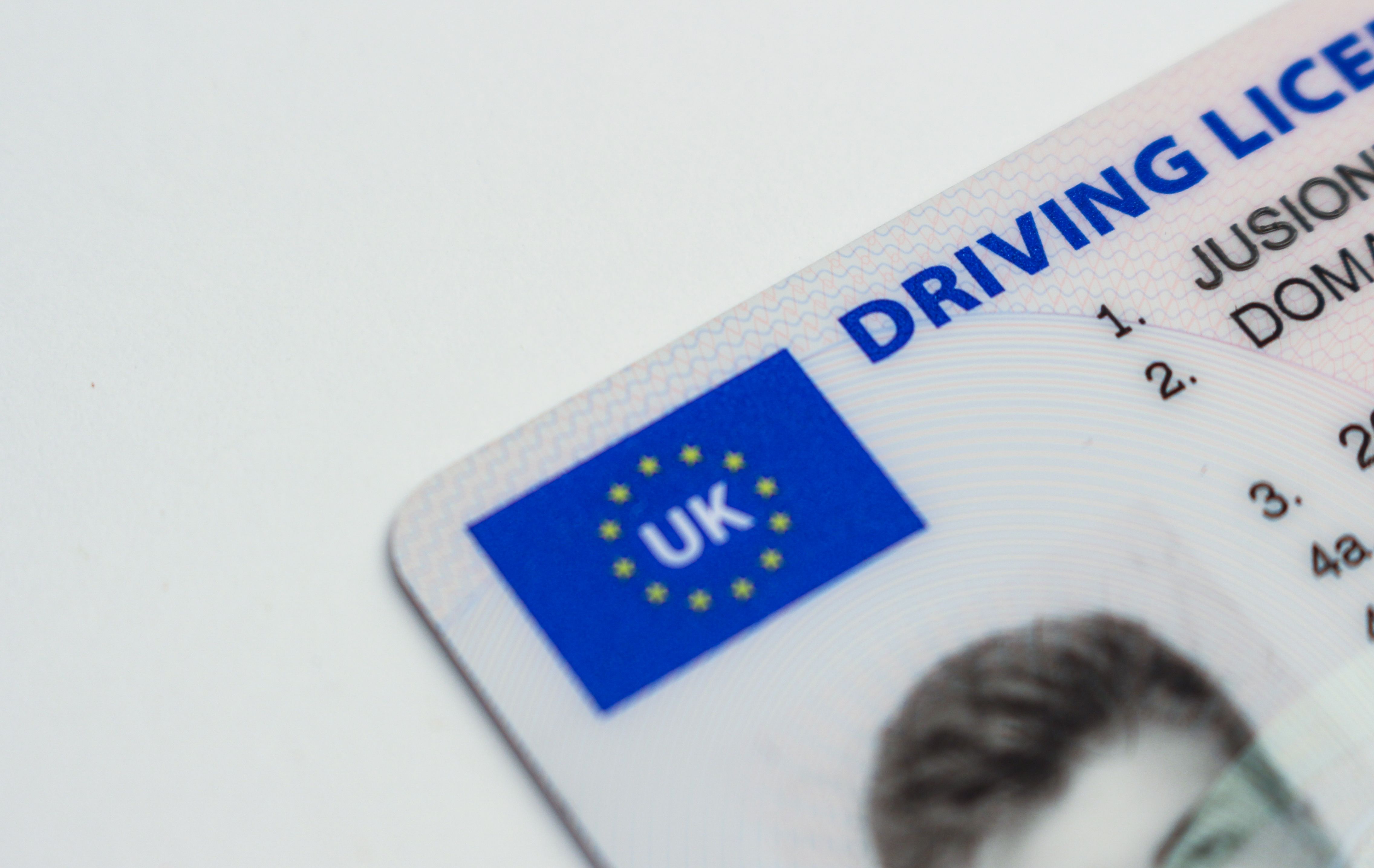
This is where many riders get caught out, because rental shops and hosts often don't ask for documents. Being unchecked doesn't mean being legal. To self-ride in Vietnam, you need all of the following:
| 1. A home licence with a motorbike category. A car-only licence doesn't cover a motorbike. |
| 2. Your passport and visa or exemption record, carried on you throughout the trip. |
| 3. Travel insurance that explicitly covers motorbike riding. Check that it covers riding in Vietnam and that it doesn't exclude unlicensed riding, which is the usual exclusion. |
|
Riders from Europe: many continental European countries issue 1968-convention IDPs, but not all. The UK, for example, is generally listed under the older 1949 convention. Check which convention your IDP is issued under. Riders from Australia: Australian IDPs are issued under the 1949 convention, which Vietnam doesn't accept, so most Australians will not be able to self-ride legally on a standard IDP. Riding pillion is usually the straightforward option. Rules can change. Confirm your position with your issuing motoring body and with us before you book. |
The stakes are practical. Riding without a valid licence can lead to a fine of roughly 2 to 4 million VND, and, more importantly, it can invalidate your insurance if something goes wrong. We would rather tell you "ride pillion" now than see you uninsured on a mountain road.
3. The Route From the Saddle
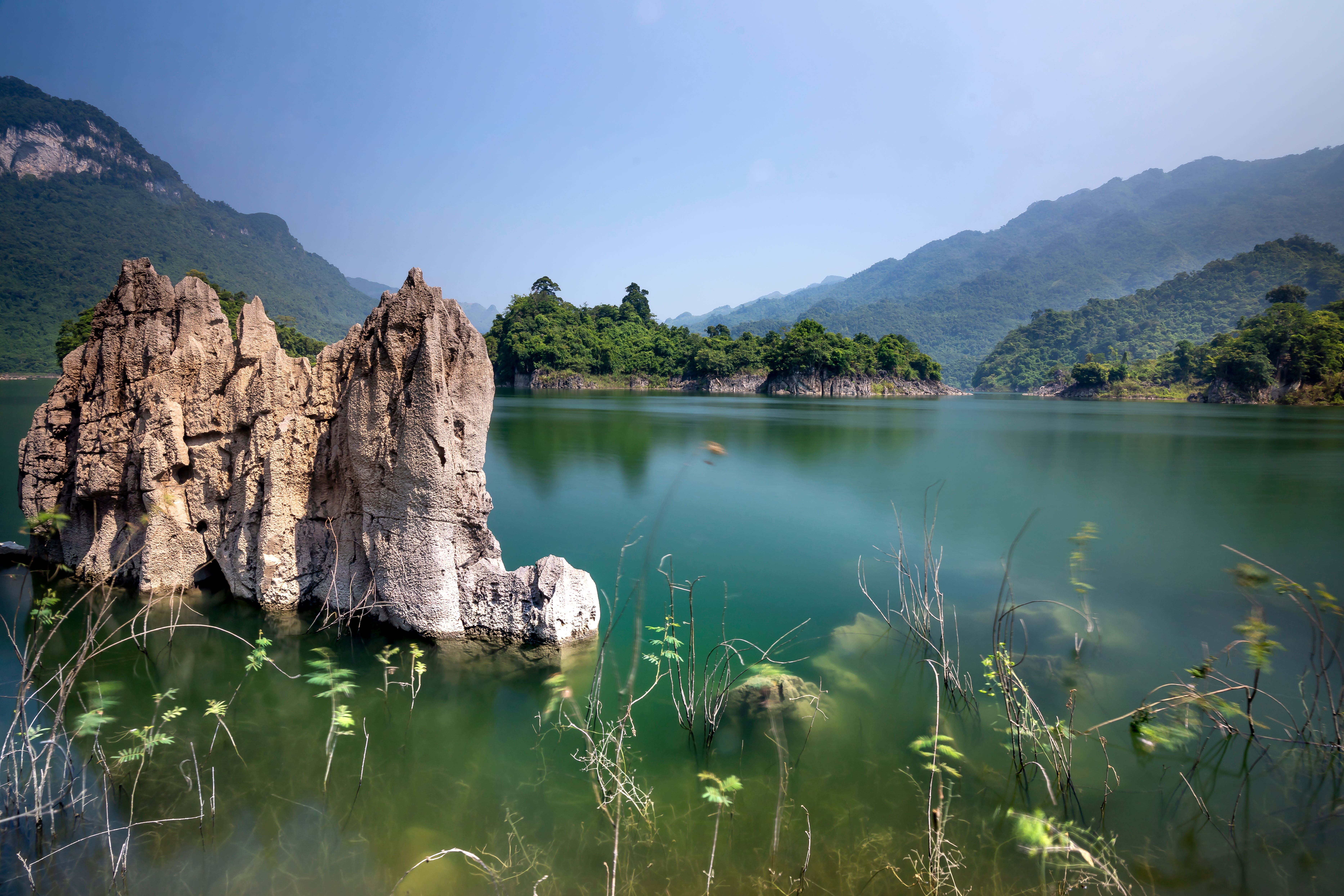
The route follows our 3-day Ban Gioc and Ba Be itinerary. Here's how each day feels on two wheels, rather than what you'll see.
| Day 1 — Hanoi to Lang Son and Quang Uyen |
| The long approach. You leave Hanoi's traffic behind, ride through Lang Son with stops at Mac Citadel and Dong Khe, then settle into the Nung homestay near Quang Uyen. Expect a lot of road time. The scenery builds as the day goes on, and the roads thin out as you go north. |
| Day 2 — Trung Khanh, Ban Gioc and the snake pass to Ba Be |
| The best riding day. Rolling roads through rice paddies to Trung Khanh and the border, a break on foot at the waterfall and Nguom Ngao Cave, then a climb through the pass to Ba Be. The pass is the most technical part of the trip, with continuous bends and drops at the edge, and a point where fog or rain can change everything. |
| Day 3 — Ba Be Lake and the ride back to Hanoi |
| A slow morning on the lake and in the forest, then the ride back, with a stop at a tea plantation in rolling hills. Save energy for the last stretch into Hanoi's traffic, which is when tired riders make mistakes. |
4. How Hard Is It, Really?
| Overall: moderate. It's less crowded than Vietnam's most famous routes, but it isn't a beginner's road. |
| Bends and gradients: long runs of curves and one demanding pass. Good braking and gear control matter more than speed. |
| Traffic: light in the countryside, but trucks and buses take the middle of the road on bends. Stay wide of the centreline. |
| Surface: mostly paved, but patched sections, gravel and wet leaves appear without warning. |
| Fatigue: Day 1 and Day 3 are long. Riders feel the hours in their wrists, shoulders and concentration, so build in breaks and don't skip them. |
5. Riding Gear to Bring
|
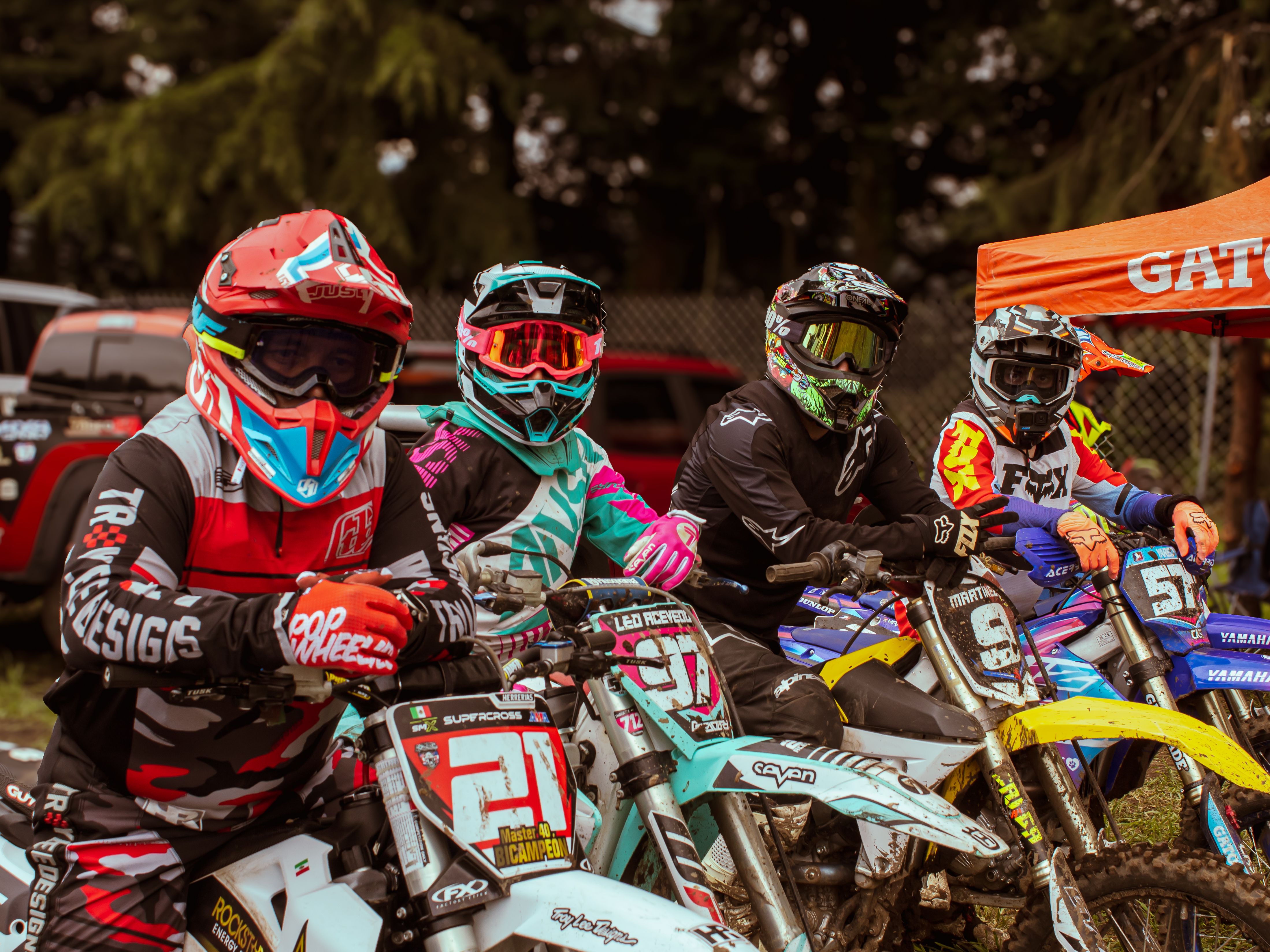
Helmet: a properly fitted, full-face or good-quality helmet. Bring your own if you can. Rental-shop helmets are often thin. Hands and feet: gloves with grip, and closed boots or sturdy shoes with ankle cover. Body: long trousers and a jacket, ideally with armour in the shoulders, elbows and knees. Weather: a waterproof layer you can reach without unpacking, plus a warm mid-layer. Mountain mornings are cold. Eyes and ears: clear or photochromic eyewear for dusk and fog, and earplugs for long days. Luggage: pack light in a soft bag and ask us how bags travel on your tour. |
6. Safety Rules We Ride By
|
No alcohol before riding. Vietnam's drink-driving rules are very strict. Save the homestay rice wine for after the ride. Ride in daylight. Mountain roads without lighting or barriers are a poor place to be after dark. Keep your spacing. Leave extra room on bends and descents. Buses and trucks cut corners. Slow down when it rains or fogs. The route is flexible, and a shorter day beats a risky one. Follow your guide's lead. Local riders know which bends hide gravel and which stretches flood. |
FAQ
|
Can Australians self-ride in Cao Bang? Usually not legally. Australian IDPs are issued under the 1949 convention, which Vietnam doesn't recognise. Most Australians ride pillion with an experienced local rider. Check your own situation before booking. |
|
Is the Cao Bang ride suitable for beginners? Not for self-riding. The mountain bends and the snake pass reward experience. Beginners are better off riding pillion, or taking the trip by car. |
|
Can part of the group ride and part travel by car? Yes, this is a common arrangement for couples and friends with mixed experience. Let us know your group's setup and we'll plan it. |
|
Is a solo traveller welcome on a motorbike tour? Yes. Solo riders can join a small group tour and share the route, the homestays and the cost, or arrange a private tour built around one person. |
Ride Cao Bang With People Who Know the RoadsTell us your dates, your riding experience and where your licence was issued. We'll recommend self-ride or pillion and plan the route as a private tour or small group tour. View the Cao Bang Route |

0 Comment