


|
Title: Vietnam Weather & Food Guide for Australian Families Description: Everything an Australian family needs before a Vietnam trip — region-by-region weather matched to school holidays, plus what to actually eat (and avoid) with kids in tow. Focus: Vietnam weather and food guide for families, best time to visit Vietnam from Australia, Vietnamese food kids will eat, Vietnam travel guide Australian families |
|
Azotar Travel Guide Vietnam Weather & Food Guide for Australian FamiliesTwo of the most common questions before a Vietnam trip, answered together: what's the weather actually doing, and will the kids eat anything? Here's the complete picture. |
In this guide
|
1. Why Vietnam Doesn't Have One "Best Season"
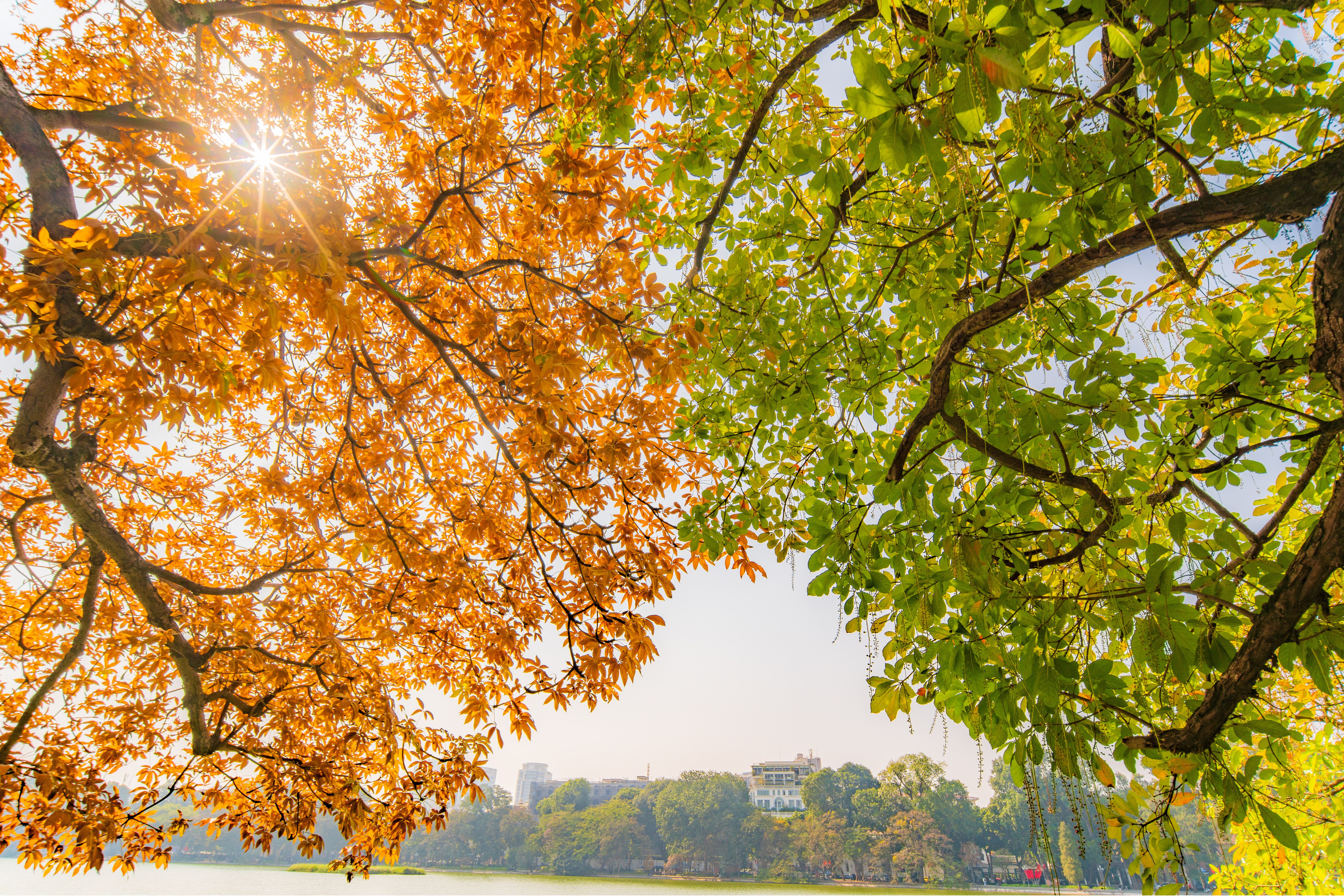
Vietnam stretches over 1,600 km from north to south, which means it doesn't behave like one country weather-wise — it behaves like three. The north has four real seasons and can get genuinely cold in winter. The centre runs on its own rain pattern shaped by mountains. The south only really has two seasons: dry and wet, and stays warm all year. For a family trip covering more than one region, the useful question isn't "when's the best time to visit Vietnam" — it's "what's the weather doing in each place I'm actually going."
2. Weather by Region
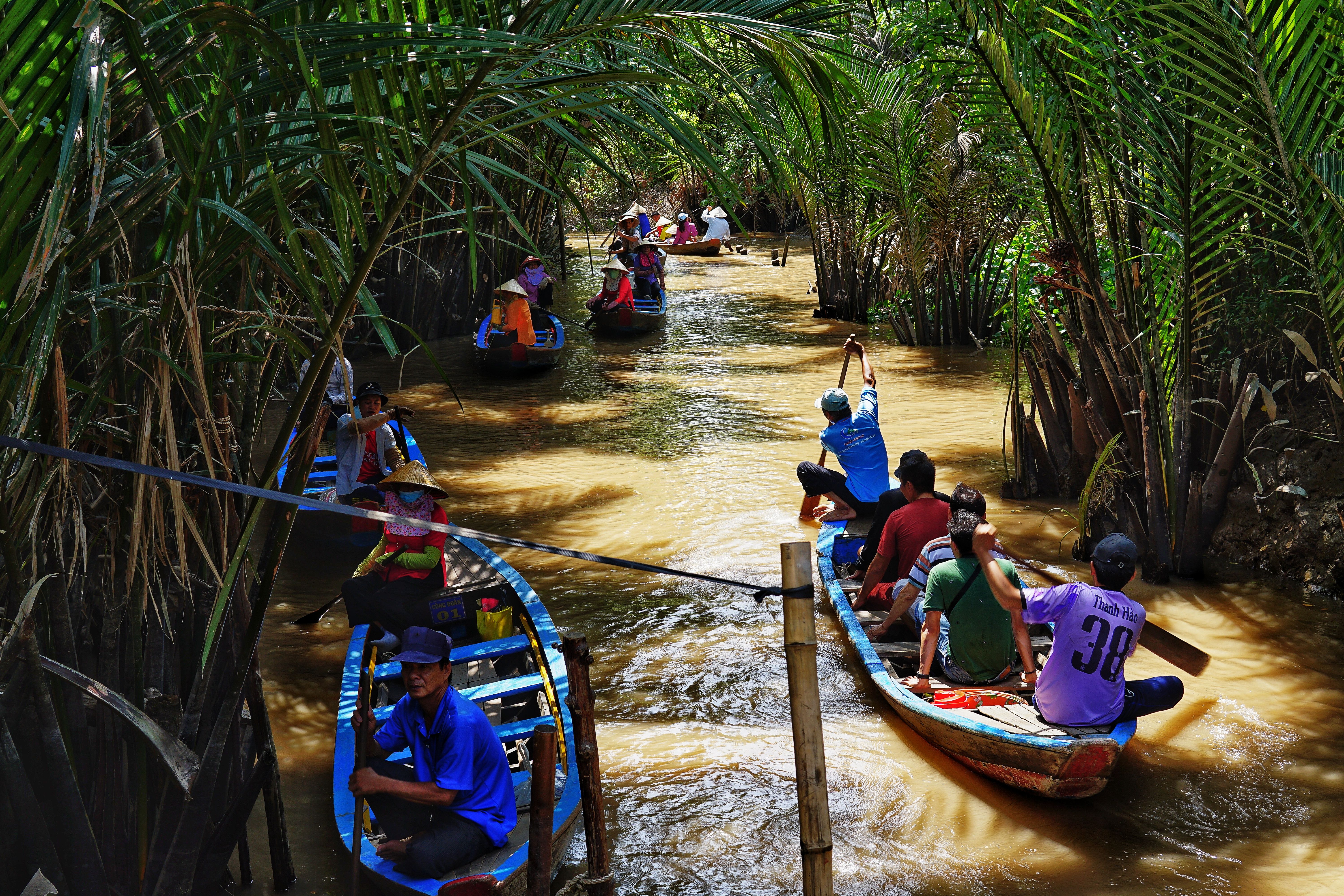
| North (Hanoi, Ha Long Bay, Sapa, Ninh Binh) |
| Four genuine seasons. Summer (May-Sept) is hot, humid and the wettest stretch — expect sudden downpours, not all-day rain. Winter (Nov-March) turns properly cool, and Sapa can drop close to freezing, occasionally seeing frost or light snow in January. Spring (March-April) and autumn (Sept-Nov) are the sweet spot. |
| Central (Da Nang, Hoi An, Hue) |
| Runs almost opposite to the north. Feb-Aug is hot, dry and reliably sunny — ideal for beaches. Sept-Jan brings northeast monsoon rain and occasional typhoons, worth avoiding if beach time matters. |
| South (Ho Chi Minh City, Mekong Delta, Phu Quoc) |
| Simple pattern: dry season Nov-April, wet season May-Oct, warm (28-34°C) year-round. "Wet" usually means a short, heavy afternoon downpour, not grey skies for days. |
3. Matching It to Australian School Holidays
|
April holidays — one of the best windows overall: spring in the north, still-dry in the centre and south. June-July winter break — mixed: warm and dry centre/south, but the north heads into its hot, wet season. September holidays — excellent for the north (autumn, golden rice terraces) and the south (dry season starting). December-January summer break — great for the south and centre; pack proper layers if Hanoi or Sapa are included. |
4. What to Pack for Each Region

Pack in layers rather than for one climate. Light, breathable clothes and swimwear cover Da Nang, Hoi An, Ho Chi Minh City and Phu Quoc year-round. Add a light jacket for Hanoi and Ha Long Bay outside the hottest months, and a proper warm layer — even a beanie and gloves for young kids — if Sapa is on the itinerary between November and March. A compact umbrella is worth packing regardless of season.
5. Dishes Kids Will Actually Eat
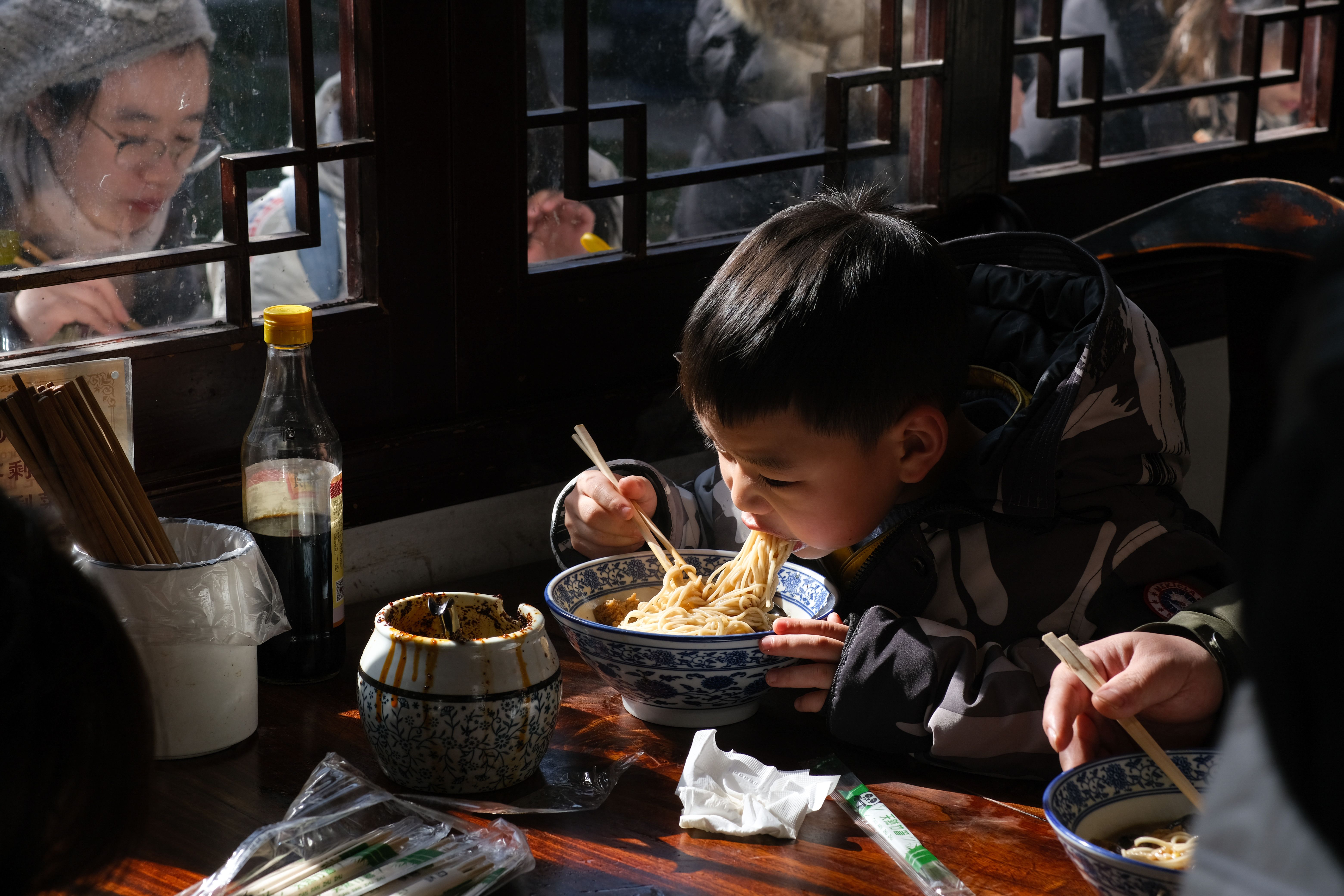
Vietnamese cuisine is built around fresh, mild ingredients — rice, noodles, grilled meats and light broths — which makes it more forgiving for kids than most parents expect. Chilli is almost always served on the side, not mixed in.
|
Pho — mild beef or chicken noodle soup, an easy win for most kids. Banh mi — easy to order without chilli or coriander for fussier eaters. Spring rolls — simple, handheld, popular across every age group. Com tam (broken rice) — grilled pork over rice, rarely gets pushed away. Che (sweet dessert soups) — a fun, low-risk way to introduce new flavours. |
6. Street Food, Allergies and Water Safety
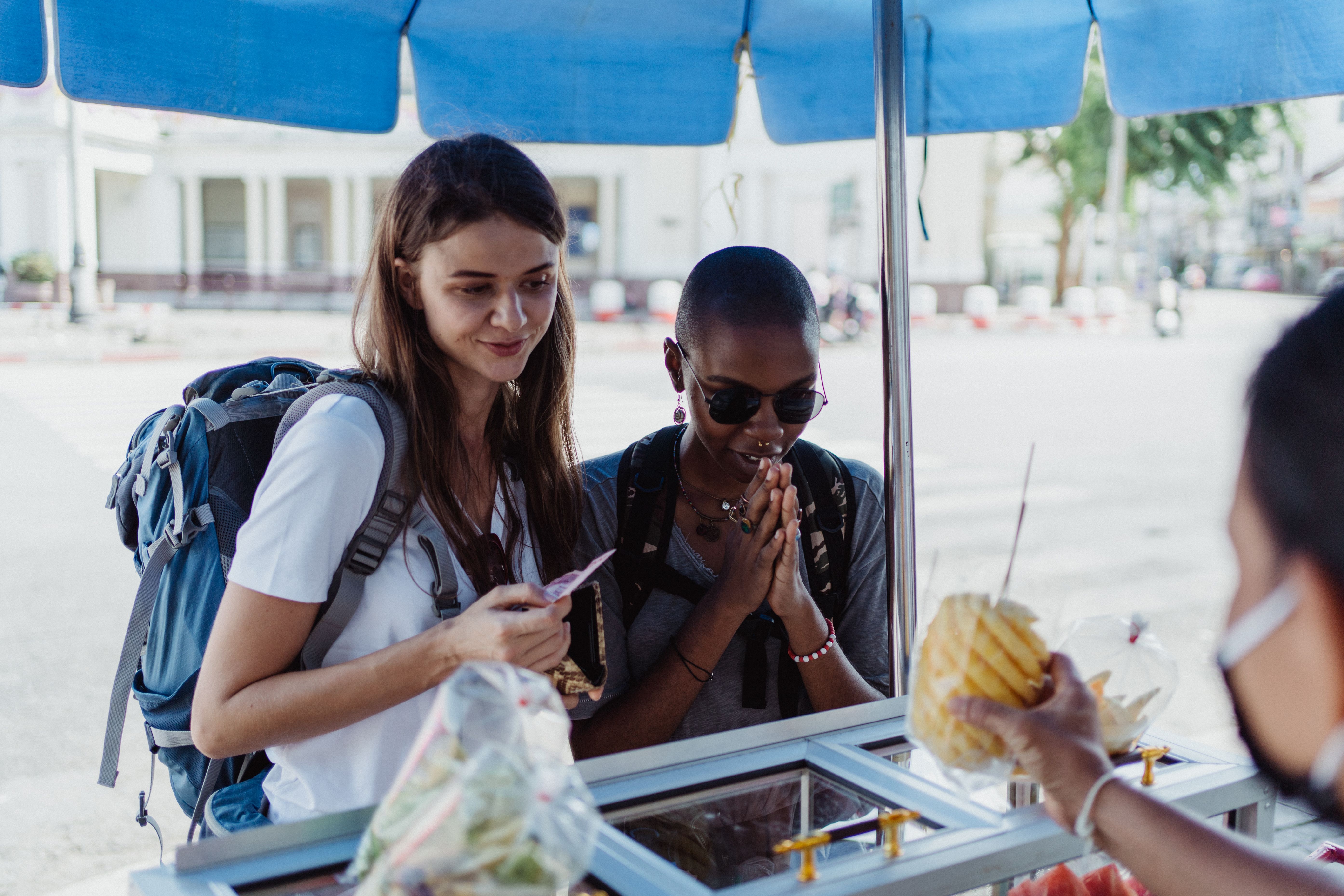
Street food is generally safe for families if you're a little selective — choose stalls busy with local customers, and stick to freshly cooked, hot food rather than anything sitting at room temperature. Peanuts, shellfish and fish sauce show up often in Vietnamese cooking, so it's worth carrying a translated allergy card if a family member has a serious allergy; vegetarian food is widely available, particularly in bigger cities. Stick to bottled or boiled water for the whole family, including for brushing teeth in more rural areas, and pack rehydration sachets in your first-aid kit as a sensible precaution.
7. Why a Private Guide Ties It All Together
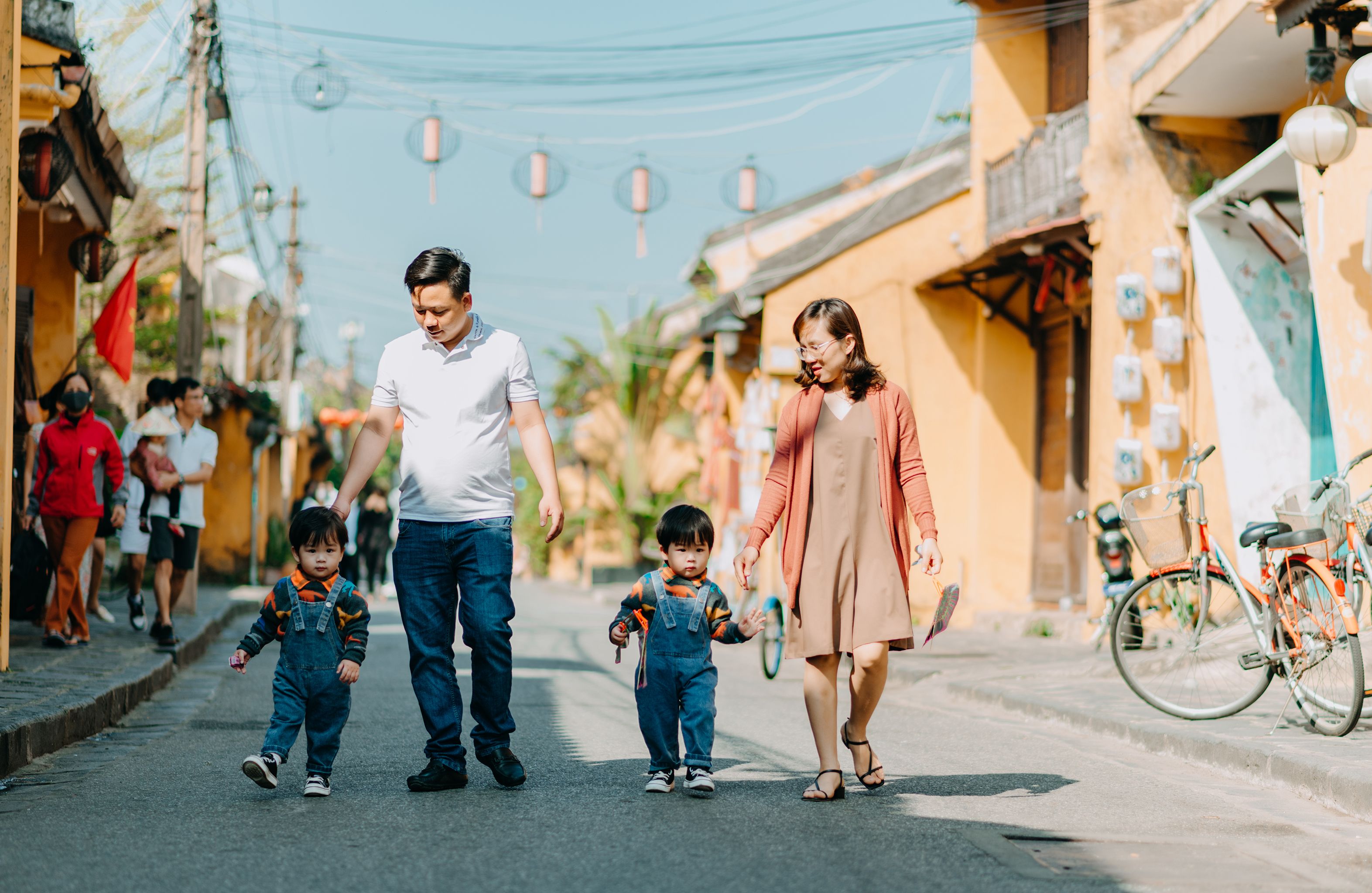
Weather and food both come down to the same thing: flexibility. A rainy forecast for Ha Long Bay might mean shifting a beach day earlier; a fussy eater might need a dish ordered without chilli before they even ask. A private tour makes both possible — the itinerary isn't locked to a group bus schedule, and a local guide already knows which stalls are reliable and how to communicate allergies directly to kitchens. A small group tour offers much of the same flexibility if you'd rather share the vehicle and guide with another family.
FAQ
|
What's the best month to visit Vietnam with kids from Australia? April tends to work best across the whole country — spring in the north, still-dry in the centre and south. September is a close second. |
|
Is Vietnamese food too spicy for kids? No — most dishes are mild by default, with chilli served on the side rather than mixed in. |
|
Does it rain all day during wet season? Usually not — expect a heavy but short afternoon downpour followed by clear skies, rather than continuous all-day rain. |
|
Can the itinerary and meals be adjusted once we're there? Yes, on a private tour — both the route and daily dining can flex around weather and your kids' preferences, which isn't possible on a fixed-departure group tour. |
Let Us Plan the Timing and the MenuAzotar Travel builds private and small group tours for Australian families, timed around the weather and your school holidays, with a guide who knows exactly what to order for the kids. Plan Your Family Trip |

0 Comment