
Title: Vietnam in Winter: Where to Go, Where to Avoid, and What to Expect

Description: An honest region-by-region guide to visiting Vietnam in winter — where the weather is genuinely excellent, where it's genuinely cold, and how to plan a trip around the season's best and worst.

Vietnam in winter  ·  Vietnam winter travel guide  ·  is Vietnam cold in winter  ·  best places Vietnam December January  ·  Vietnam weather winter months  ·  where to go Vietnam winter

Seasonal Guide    Vietnam · Dec–Feb

Vietnam in Winter:
Where to Go, Where to Avoid

"Vietnam in winter" means dramatically different things depending on where you are. This is genuinely one of the best times of year for large parts of the country — and genuinely one of the worst for a small few. Here's the honest, region-by-region breakdown.

The core fact

Winter Means Something Different in Every Region

December to February is peak dry season across most of Vietnam — clear skies, low humidity, comfortable temperatures. For the north and south, this is genuinely one of the best travel windows of the entire year. The exception is central Vietnam, where winter can bring some of the year's least favourable weather. Understanding this pattern before you plan is the single most useful thing this guide can tell you.

The good news

Where Winter Is Excellent

🌊 Ho Chi Minh City & the Mekong Delta
Peak dry season — 27–32°C, low humidity relative to the rest of the year, minimal rain. This is genuinely the best weather window for the entire south, ideal for city exploration, Mekong boat trips, and any Phu Quoc beach time. No caveats here.
🏔️ Hanoi, Ha Long Bay & Ninh Binh
Sapa rice terraces rain green
Cool, dry, and clear — 15–22°C in Hanoi, occasionally cooler. Ha Long Bay's winter mist between the karst islands is arguably its most atmospheric look of the year, and Ninh Binh's boat rides through the limestone valleys are comfortable rather than sweltering. Pack a light-to-medium jacket for evenings.
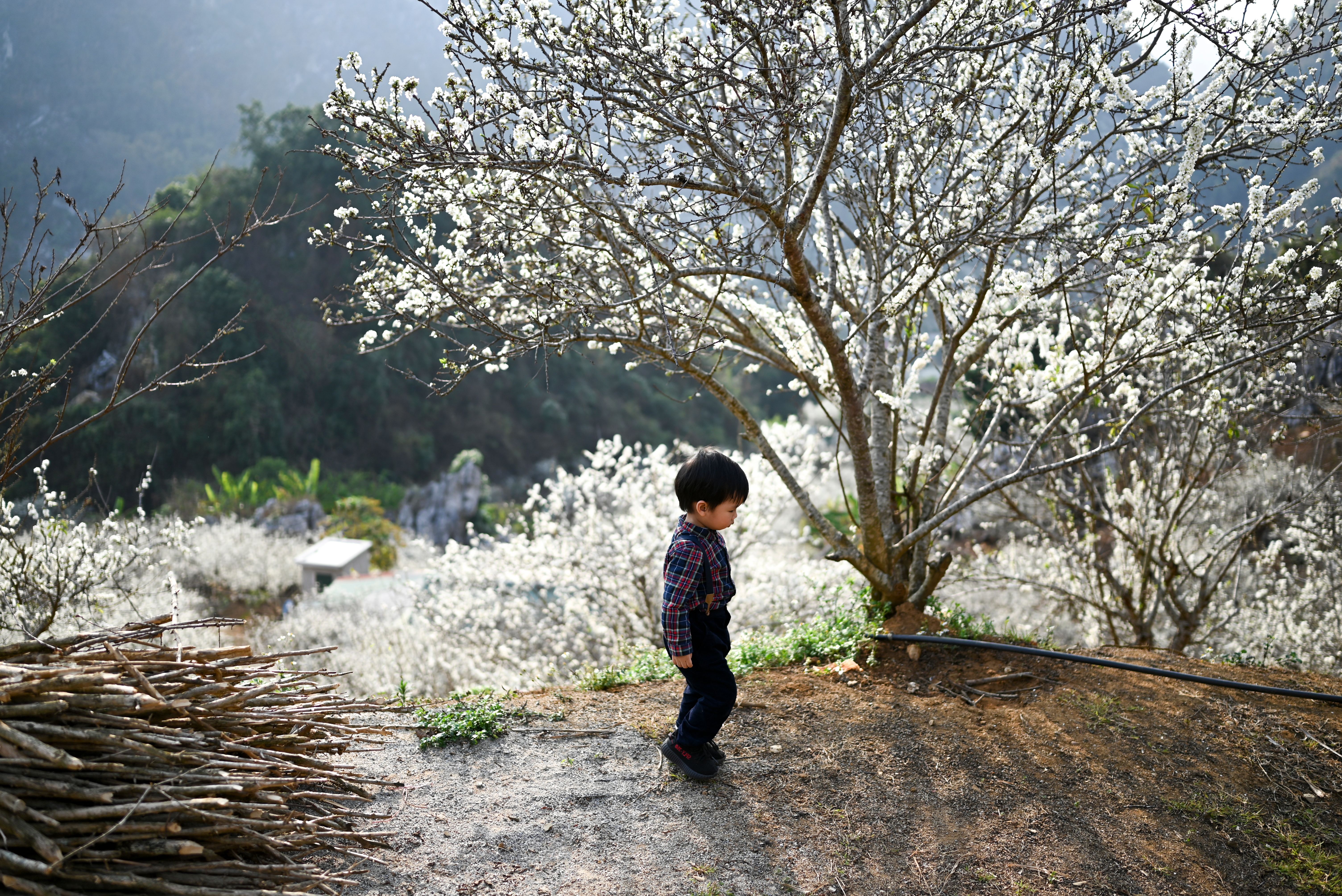
🌸 Moc Chau (plum & peach blossom)
Late January into February brings the highland plateau's plum and peach orchards into full bloom — one of the most photographed seasonal spectacles in northern Vietnam. Cool, crisp mountain air makes for pleasant walking among the blossom-covered hillsides.
Needs planning around

Where Winter Needs a Second Look

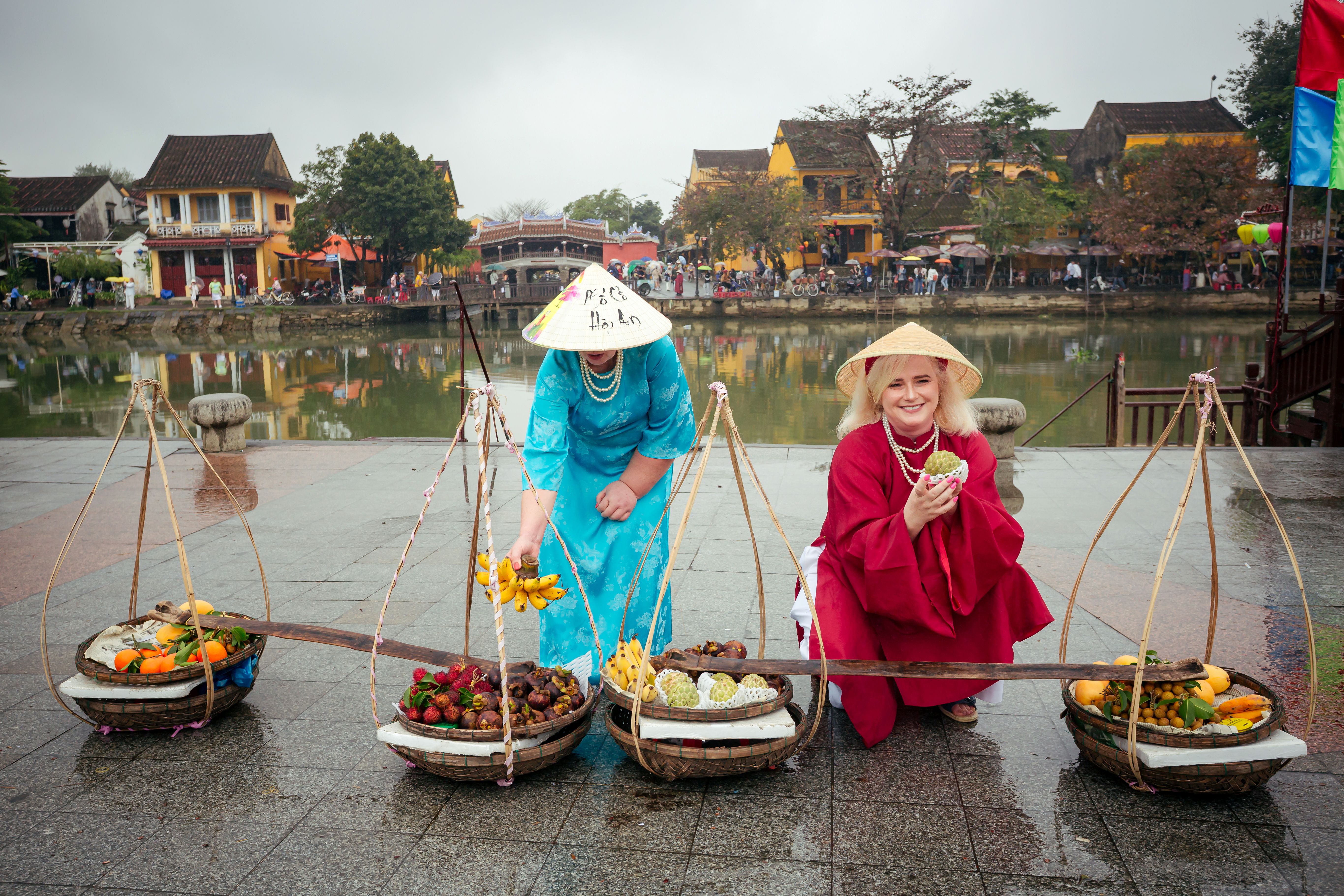
☁️ Da Nang & Hoi An
Sapa rice terraces rain green
This is the honest exception in this guide. Central Vietnam's rainy season runs roughly September through January, with December–January often bringing overcast skies, cooler temperatures (18–24°C), and periodic rain — a real contrast to the sunny beach postcard image most people associate with this region. Hoi An's Ancient Town is still beautiful and the crowds are noticeably thinner, but don't expect beach weather. If beach time in central Vietnam is a priority, February–August is the better window.
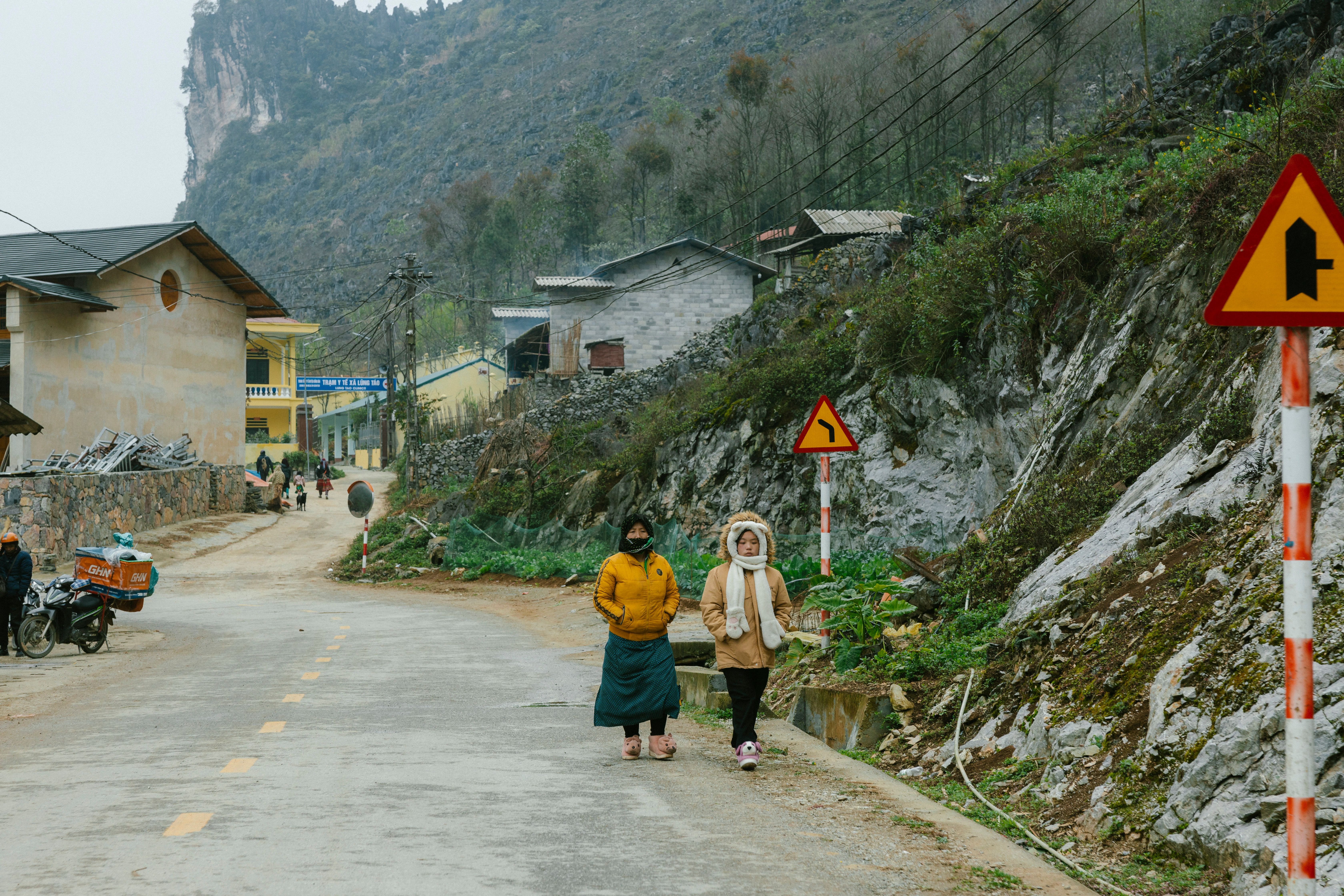
🥶 Sapa & Ha Giang (temperature, not rain)
Sapa rice terraces rain green
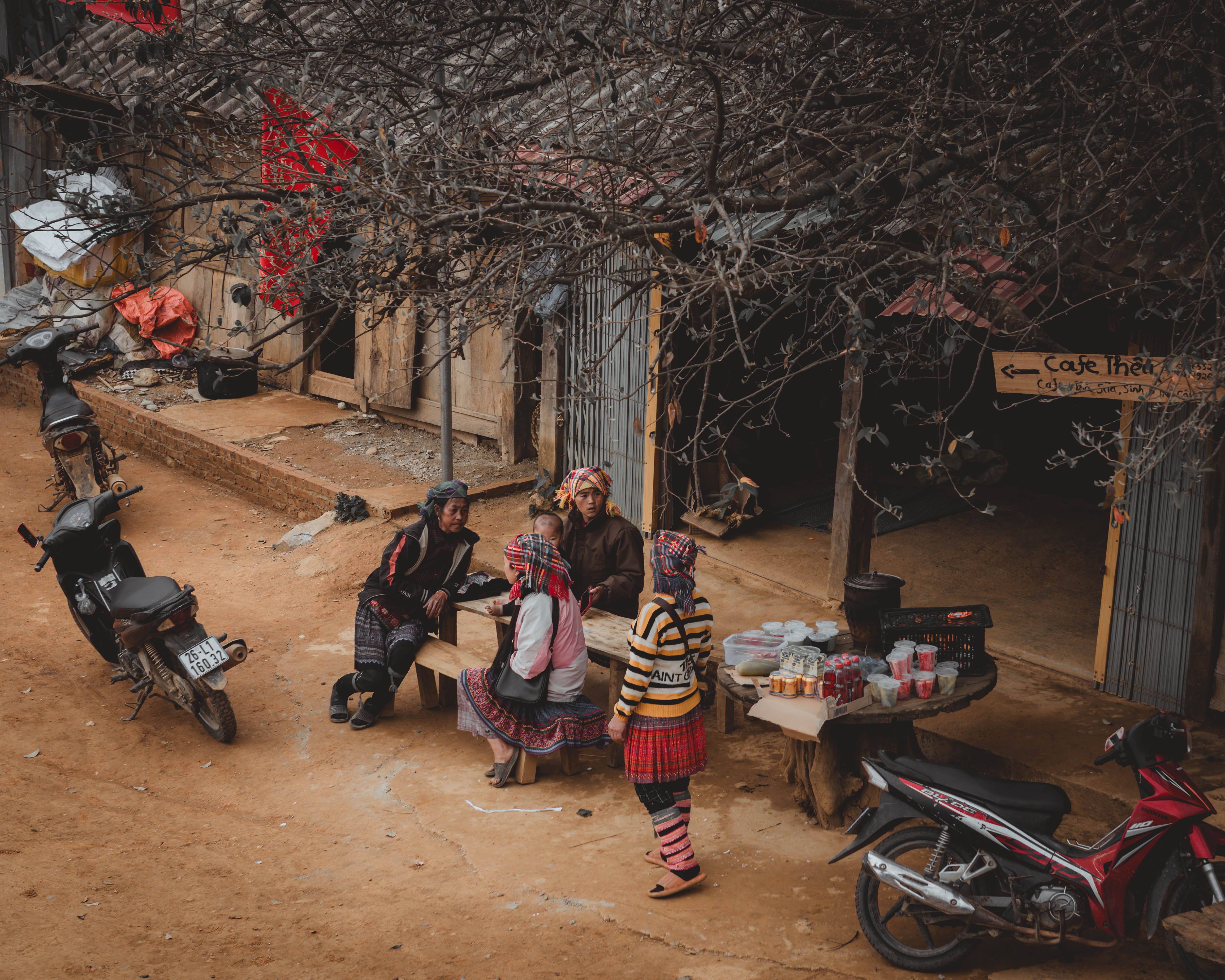
The mountainous far north is genuinely cold in winter — Sapa can drop to near-freezing overnight in December–January, occasionally with light snow or frost at altitude, and Ha Giang's mountain passes get similarly cold and sometimes foggy, affecting visibility on scenic drives. Not a reason to avoid — many find the atmospheric cold and mist beautiful — but pack proper warm layers and check current mountain road conditions before a Ha Giang trip in the coldest weeks.
Quick reference

Winter (Dec–Feb) at a Glance

Region Temp range Verdict
Hanoi 15–22°C Excellent
Ha Long Bay / Ninh Binh 15–22°C Excellent
Sapa 2–12°C (can approach 0°C) Cold, pack warm
Ha Giang 5–15°C, foggy Cold, check conditions
Da Nang / Hoi An 18–24°C, often overcast/rain Weakest season here
Da Lat 10–20°C, dry Excellent
HCMC / Mekong / Phu Quoc 27–32°C, dry Excellent
Building a winter itinerary

The Smart Winter Route

Given the pattern above, the strongest winter itineraries lean into the north and south, treating central Vietnam either as a shorter stop (accepting the weather trade-off for Hoi An's cultural and historical value) or skipping it in favour of Da Lat, whose highland climate performs excellently even in the coldest months.

A strong 2-week winter route: Hanoi → Ninh Binh → Sapa (with proper warm layers) → Ha Long Bay → fly to Ho Chi Minh City → Mekong Delta → Phu Quoc. This sequence spends winter's coldest days in the north (where cool, clear weather suits Ha Long Bay's misty photography) and finishes in the consistently warm, dry south.

Common questions

Frequently Asked Questions

Does it actually get cold in Vietnam?

Yes, genuinely — this surprises many first-time visitors who associate Vietnam entirely with tropical heat. Hanoi in January can require a proper jacket, and Sapa can approach freezing overnight, occasionally with light snow at the highest elevations. The far south, however, never really gets cold — Ho Chi Minh City stays warm year-round.

Should I skip Hoi An entirely if visiting in December or January?

Not necessarily — Hoi An's cultural and historical value doesn't disappear with cloudy weather, and the town is noticeably less crowded in this window. If beaches and sunshine are the priority, this isn't the ideal time. If the Ancient Town's architecture, lanterns, and food are the draw, it still delivers, just without guaranteed sun.

Is winter peak tourist season in Vietnam?

Yes, particularly December through February — this window aligns with excellent weather in the north and south, European and North American winter holidays, and (in late January or February) Tet. Book accommodation, Ha Long Bay cruises, and any Sapa trekking well in advance if travelling in this period.

Let Us Build Your Winter Itinerary

Azotar Travel designs private tours and small group tours that lean into Vietnam's best winter weather — properly sequenced, properly packed for, genuinely memorable.

Plan My Winter Trip → View All Tours →

0 Comment