
Title: Is Vietnam Safe to Visit? An Honest Safety Guide for Travellers

Description: A realistic, evidence-based look at safety in Vietnam — crime rates, traffic, natural risks, solo and family travel, and what actually deserves your attention versus what doesn't.

Is Vietnam safe  ·  Vietnam safety guide travellers  ·  Vietnam crime rate tourists  ·  solo female travel Vietnam safety  ·  Vietnam traffic safety  ·  is Vietnam safe for families

Honest Travel Guide    Vietnam

Is Vietnam Safe?
The Honest Answer

Yes — Vietnam is one of the safer countries in Southeast Asia for travellers, including solo travellers and families. But "safe" isn't the same as "risk-free," and the real risks in Vietnam are different from what most first-time visitors expect. Here's the honest, specific picture.

From Azotar Travel — a local Vietnam tour operator specialising in private tours and small group tours. Safety questions come up in nearly every consultation we do. Here's what we actually tell people.

The short answer

Vietnam Ranks Among Southeast Asia's Safer Destinations

Violent crime against tourists in Vietnam is genuinely rare. Most Western government travel advisories (UK Foreign Office, Australian Smartraveller, US State Department) rate Vietnam at their lowest or second-lowest risk tier — "exercise normal precautions" or "exercise increased caution," the same tier as most of Western Europe. This isn't marketing language from tour operators; it's the consistent assessment of multiple independent government safety agencies.

The real risk profile in Vietnam is dominated by three things, in order of actual likelihood: road traffic accidents, petty theft and scams, and — for a small number of travellers each year — natural hazards from swimming, hiking, or weather. None of these are exotic or unpredictable. All are manageable with basic awareness.

✓ What's genuinely low risk
Violent crime, armed robbery, assault against tourists
Kidnapping or targeted crime against foreigners
Terrorism (no significant history of attacks targeting tourists)
Political unrest affecting travellers
⚠️ What actually deserves attention
Road traffic — the single largest safety factor by a wide margin
Petty theft — bag snatching, pickpocketing in dense tourist areas
Financial scams (covered in our separate scams guide)
Water safety, hiking conditions, and seasonal weather (typhoons)
The real number one risk

Road Traffic — What Deserves Your Actual Caution

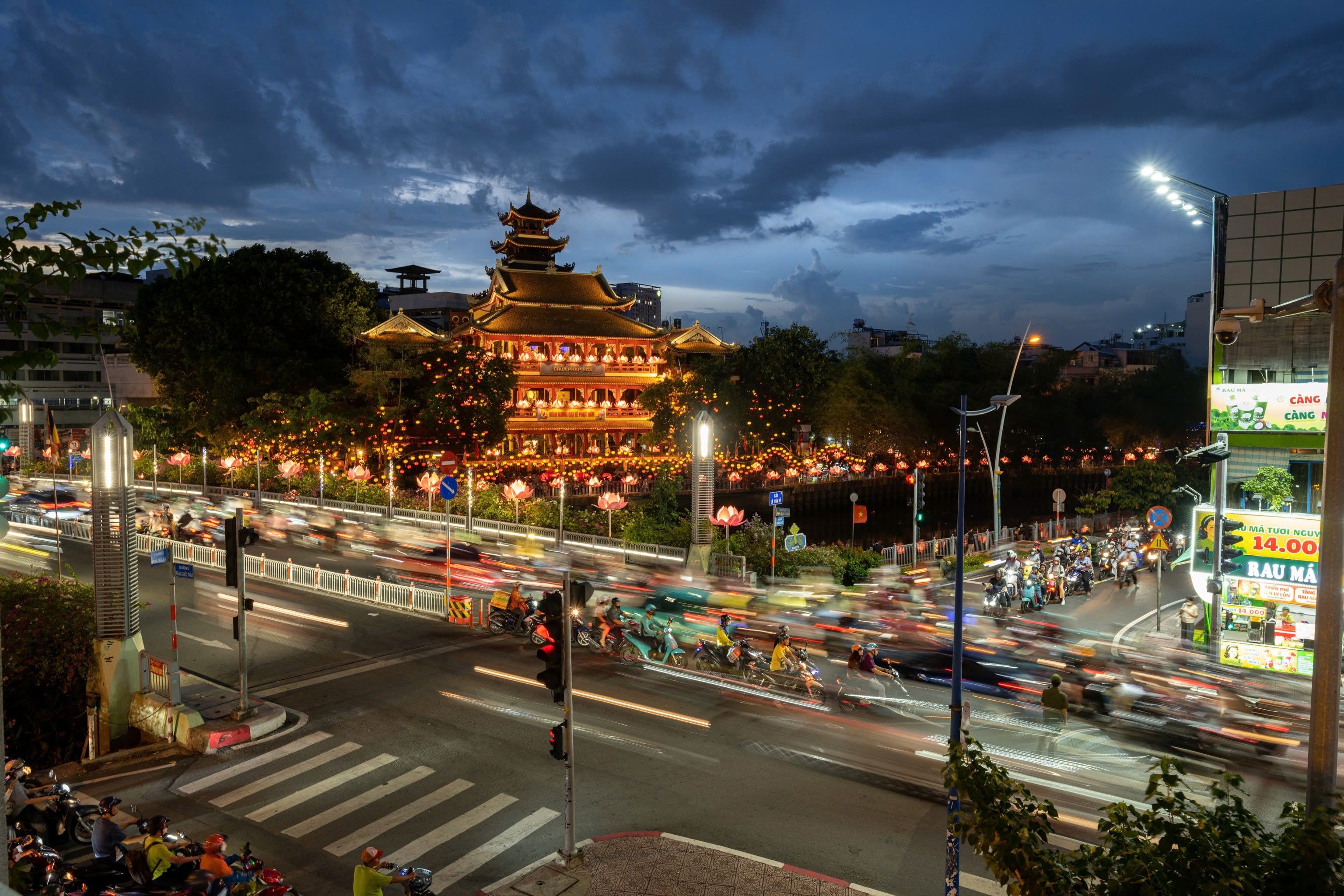
This is the single most important safety topic in Vietnam and the one most first-time visitors underestimate. Vietnamese cities have extraordinarily high motorbike density — Hanoi and Ho Chi Minh City each have several million registered motorbikes — and traffic flow operates on principles that look chaotic to newcomers but function through constant negotiation rather than strict lane discipline.

Road traffic incidents are statistically the most common cause of serious injury and death among tourists in Vietnam — more so than crime, natural disaster, or any other category combined. This is worth taking seriously and adjusting behaviour around, particularly if renting your own motorbike.

Sapa valley quiet no tourists
How to reduce traffic risk
Crossing streets — walk steady and predictable
Vietnamese traffic navigates around a predictable moving object far better than one that stops and starts. Walk at a slow, steady pace across the street without hesitating or reversing course — drivers will flow around you. Stopping suddenly mid-crossing is more dangerous than continuing at a steady pace. Cross with a local if you're uncertain the first few times.
Renting your own motorbike — the highest-risk activity most tourists undertake
If you choose to rent and drive a motorbike yourself, wear a proper helmet (not the thin rental-shop plastic shell — bring or buy a genuine one), check your travel insurance explicitly covers motorbike accidents (many standard policies exclude this or require a valid motorcycle licence), and be extremely cautious on mountain roads with limited experience. Most tourist motorbike incidents happen to inexperienced riders on unfamiliar roads, particularly in Ha Giang, Sapa, and other mountainous regions.
Being a passenger — verify basic safety standards
On Grab motorbike or xe om, wear the helmet provided. On private tours with a professional driver, this risk is substantially reduced — reputable operators use experienced drivers on well-maintained vehicles who know the specific road conditions of the regions they operate in, particularly mountain routes with hairpin bends and no barriers.
Property safety

Petty Theft — Real But Manageable

Bag snatching (often by motorbike, grabbing a bag from a pedestrian or a stationary vehicle) and pickpocketing occur in dense tourist areas — the Old Quarter in Hanoi, Bui Vien walking street in HCMC, crowded markets. This is opportunistic petty crime rather than anything organised or targeted, and it's genuinely avoidable with basic precautions.

Sapa valley quiet no tourists
Precaution Why it matters
Cross-body bags, worn on the traffic side Motorbike bag-snatching targets shoulder bags carried on the side facing the road. A cross-body bag worn towards the building side, not the street side, is significantly harder to grab while riding past.
Don't display phones/cameras while walking near traffic Phone-snatching from pedestrians looking at their screens while walking near the road edge is a specific, well-documented pattern. Step away from the curb before checking your phone.
Hotel safe for passport & valuables Carry a photocopy or photo of your passport for daily use; leave the original secured. Reduces both loss risk and the impact if something does go missing.
Extra awareness in dense nightlife areas Bui Vien (HCMC) and Ta Hien (Hanoi) at night are the highest-density tourist nightlife zones and correspondingly see the most petty theft. Standard nightlife awareness — watch your drink, keep valuables minimal, be aware of your surroundings — applies as it would anywhere.
Natural environment

Water, Weather & Outdoor Activities

Vietnam's natural environment — beaches, mountains, caves, rivers — is a major part of its appeal, and each carries manageable but real considerations that differ from what a European or Australian traveller might be used to.

Sapa valley quiet no tourists
🌊 Ocean swimming & rip currents
Some of Vietnam's beaches (particularly stretches of central coast near Da Nang and Hoi An during certain conditions) have rip currents that are not always marked. Swim at beaches with lifeguard presence where possible, heed any flag warning systems, and don't swim alone at unfamiliar or unpatrolled beaches, especially after storms.
⛰️ Trekking in Sapa & mountain regions
Mountain trails can be genuinely slippery in wet weather, and remote sections have limited phone signal. A local guide who knows current trail conditions is the single best safety measure — this is one of the clearest cases where the local expertise of a guided tour materially reduces risk compared to independent trekking, particularly outside the well-trodden main routes.
🌀 Typhoon season (roughly June–November)
Central and northern Vietnam are affected by seasonal typhoons, primarily August–October. Reputable tour operators and cruise companies monitor forecasts closely and will adjust or cancel activities (particularly Ha Long Bay cruises) when conditions are unsafe. This is standard, sensible practice rather than something to be alarmed by — but check forecasts if travelling in this window and maintain flexible expectations.
☀️ Heat & sun exposure
Less dramatic but more commonly relevant than any of the above — southern and central Vietnam's heat and humidity cause more traveller discomfort and minor health issues (dehydration, heat exhaustion) than any acute danger. Stay hydrated, pace outdoor activity around the midday heat, and don't underestimate humidity's effect on exertion.
Specific traveller profiles

Safety for Solo Travellers & Families

Solo female travellers

Vietnam is widely regarded as one of the more comfortable Southeast Asian countries for solo female travellers — harassment rates reported by travellers are lower than in several neighbouring countries, and the tourism infrastructure in main destinations is well-developed. Standard precautions still apply: avoid walking alone late at night in unfamiliar or poorly lit areas, use Grab rather than hailing unmarked transport after dark, and trust your instincts about any situation. A small group tour is a popular choice for solo female travellers specifically because it provides both good value and a built-in social layer without sacrificing flexibility entirely.

Families with children

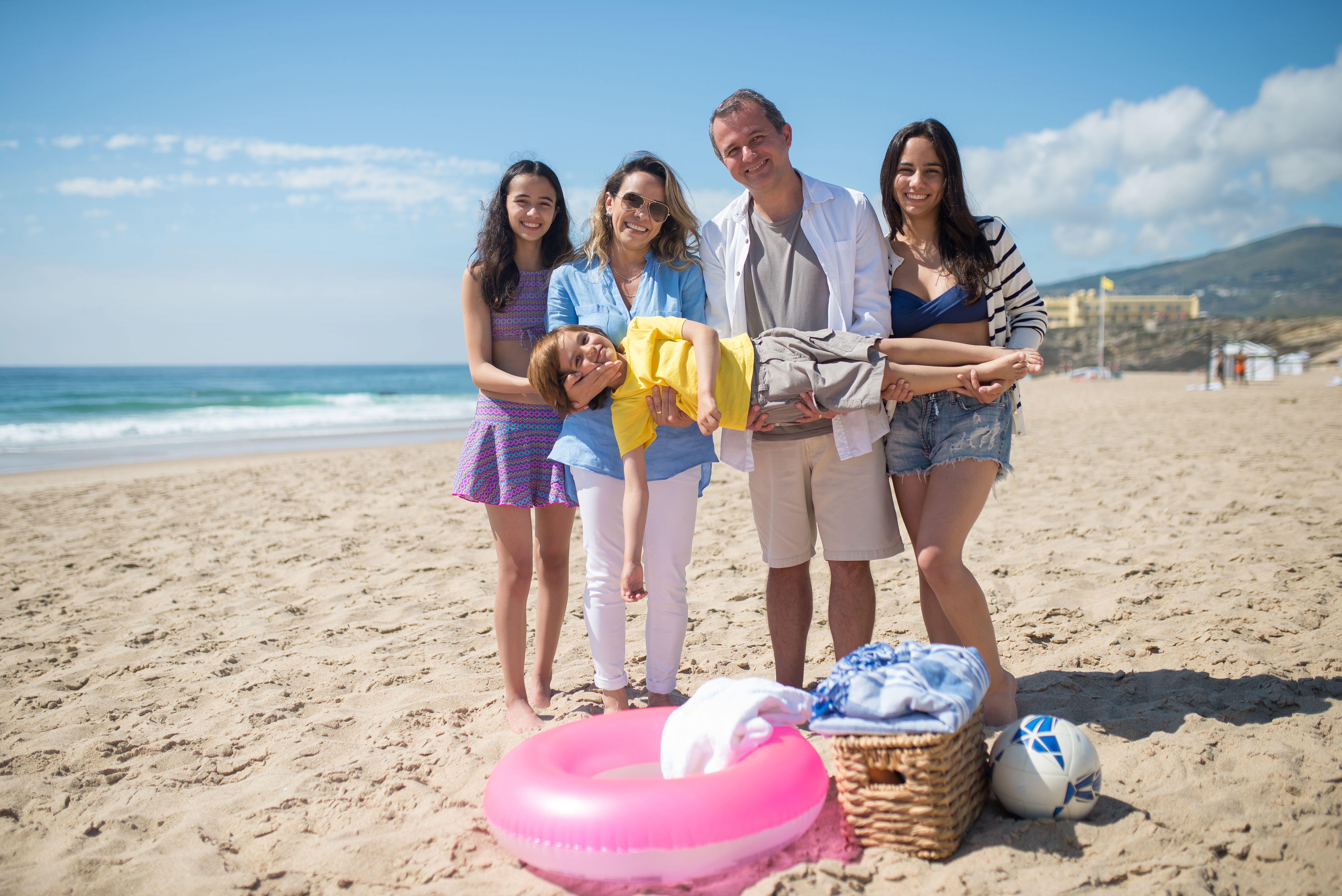
Vietnam is a genuinely family-friendly destination — Vietnamese culture is warm towards children in public spaces, and medical facilities in major cities (Hanoi, HCMC, Da Nang) meet international standards for non-critical care. The main practical considerations are traffic safety (hold children's hands firmly near roads and when crossing streets — the traffic patterns are genuinely unfamiliar to a child used to Western traffic norms), food and water precautions for smaller digestive systems, and heat management for young children. A private tour is particularly well suited to families since the pace, nap schedules, and activity choices can flex entirely around the children's needs rather than a fixed group schedule.

Health basics

Health & Medical Safety

Vietnam's healthcare infrastructure in major cities is solid for most traveller needs, though it's worth understanding the practical realities before you go.

Sapa valley quiet no tourists
Topic Reality
Travel insurance Essential — not optional. International-standard medical care and any evacuation from remote areas can be expensive without cover. Verify your policy covers your specific planned activities (motorbike riding, trekking) as many standard policies have exclusions here.
Hospitals in major cities Vinmec, Family Medical Practice, and Raffles Medical are international-standard private hospitals with English-speaking staff in Hanoi and HCMC — the standard recommendation for tourists needing non-emergency care.
Food & water Drink bottled or filtered water only. Street food is generally safe when cooked fresh and busy (see our dedicated street food guide) — most traveller stomach issues come from overindulgence rather than contamination.
Vaccinations No mandatory vaccinations for entry from most countries. Standard travel vaccination advice (Hepatitis A/B, Typhoid, routine boosters) is worth discussing with a travel health clinic 4–6 weeks before departure — consult your doctor rather than relying on generic online advice for your specific itinerary and health history.
Common questions

Frequently Asked Questions

Is it safe to walk around Hanoi or Ho Chi Minh City at night?

Yes, in the main tourist and central districts — both cities have significant nighttime foot traffic, active street life, and well-lit main streets well into the evening. The same common-sense precautions that apply in any major city apply here: stay in well-populated, well-lit areas, keep valuables secure, and use Grab rather than unmarked transport if travelling further or later.

Does travelling with a tour operator actually make me safer?

In several specific ways, yes. Professional drivers on mountain routes reduce the traffic risk that is Vietnam's biggest safety factor. Guides with local knowledge reduce trekking and navigation risk in remote areas. Pre-vetted accommodation and transport reduce scam exposure. The improvement isn't dramatic for city-based travel (which is manageable independently) but is meaningful for remote or physically demanding itineraries.

What should I do in a genuine emergency in Vietnam?

The national emergency numbers are 113 (police), 114 (fire), and 115 (ambulance), though English-language support on these lines is not guaranteed. For medical emergencies in major cities, going directly to or calling an international-standard hospital (Vinmec, Family Medical Practice) is often faster and more reliably English-speaking than the national ambulance line. Keep your embassy or consulate's contact details accessible, and if travelling with a tour operator, your guide is typically the fastest point of contact for local emergency coordination.

Travel with Local Knowledge on Your Side

Azotar Travel specialises in private tours and small group tours across Vietnam. Our drivers know the mountain roads, our guides know current trail conditions, and our local expertise takes the real risk out of your trip — not the imagined ones.

Plan My Vietnam Trip → View All Tours →

0 Comment