


|
Title: Cao Bang Travel Guide: Waterfalls, Caves & Hidden Villages of Northern Vietnam Description: Cao Bang is one of Vietnam's least-visited provinces — home to the spectacular Ban Gioc Waterfall, Nguom Ngao Cave, Ba Be Lake, and remote Nung and Tay villages. Here's what makes it worth the journey. Focus: Cao Bang travel guide, Ban Gioc Waterfall, Ba Be Lake, Nguom Ngao Cave, off the beaten path Vietnam |
|
Azotar Travel Guide Cao Bang Travel Guide: Waterfalls, Caves & Hidden Villages of Northern VietnamFew Vietnam itineraries make it this far north — which is exactly why the waterfalls, caves and villages of Cao Bang still feel genuinely undiscovered. |
In this guide
|
1. Why Cao Bang Is Still Off the Radar
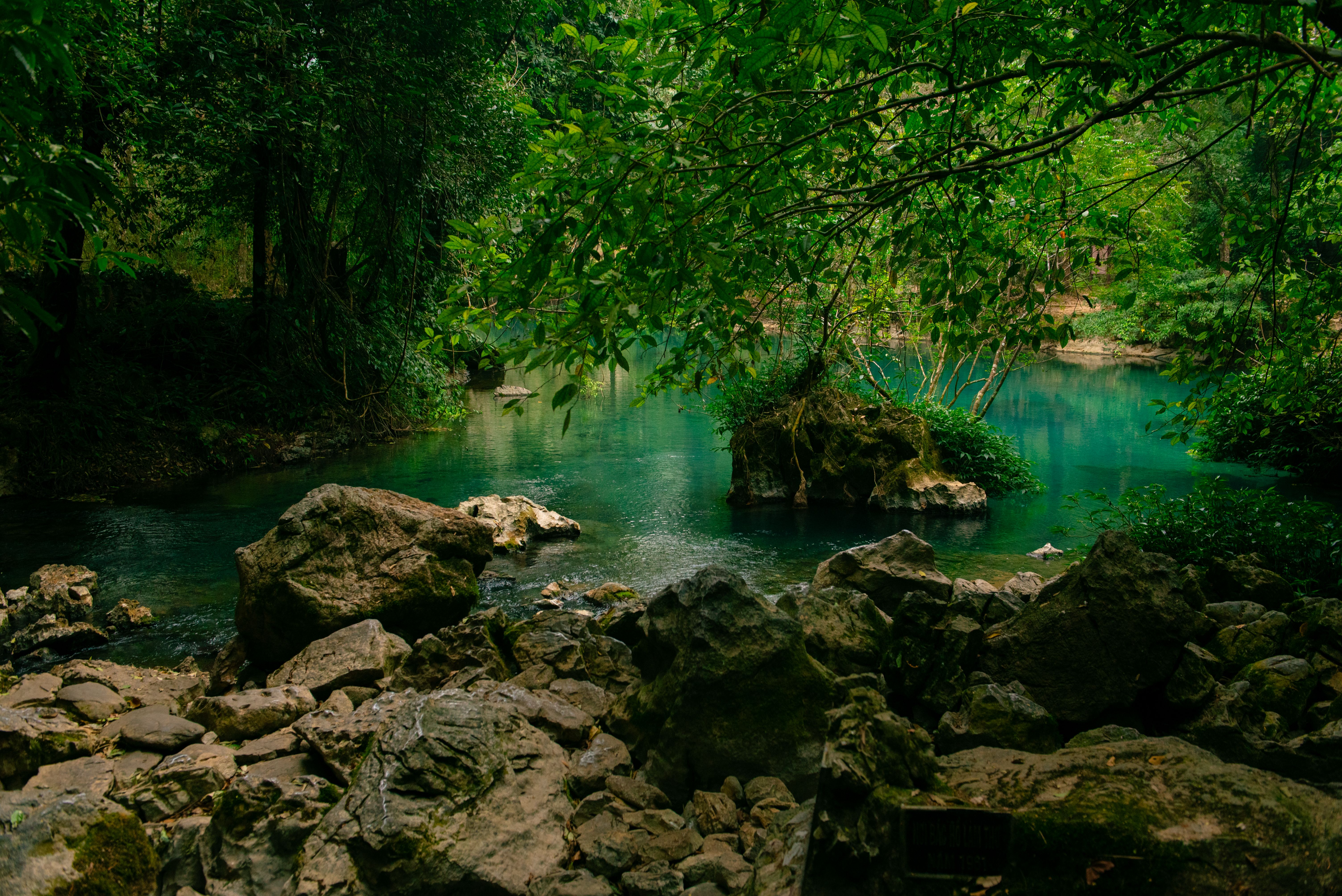
Cao Bang sits hard against the Chinese border in Vietnam's far north, several hours past Sapa and Ha Giang on the usual tourist map — which is exactly why it has largely escaped the crowds that now fill the north's more famous routes. For travellers from Europe and Australia who've already ticked off Ha Long Bay or Sapa on a previous trip, or who specifically seek out destinations that still feel unpolished, Cao Bang offers a genuinely different experience: waterfalls without queues, caves without tour groups, and villages where homestays are still run by the families who've always lived there.
2. Ban Gioc Waterfall
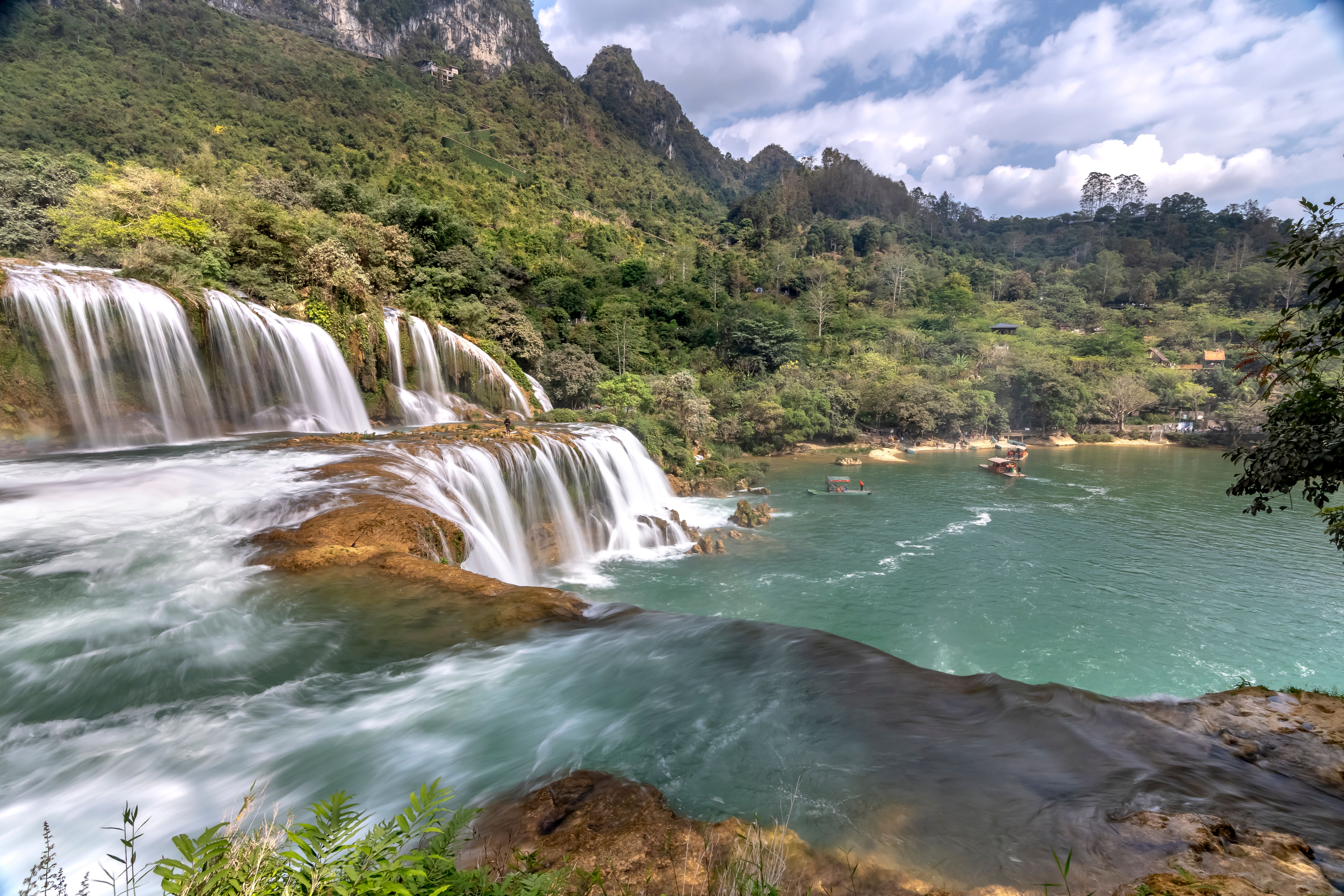
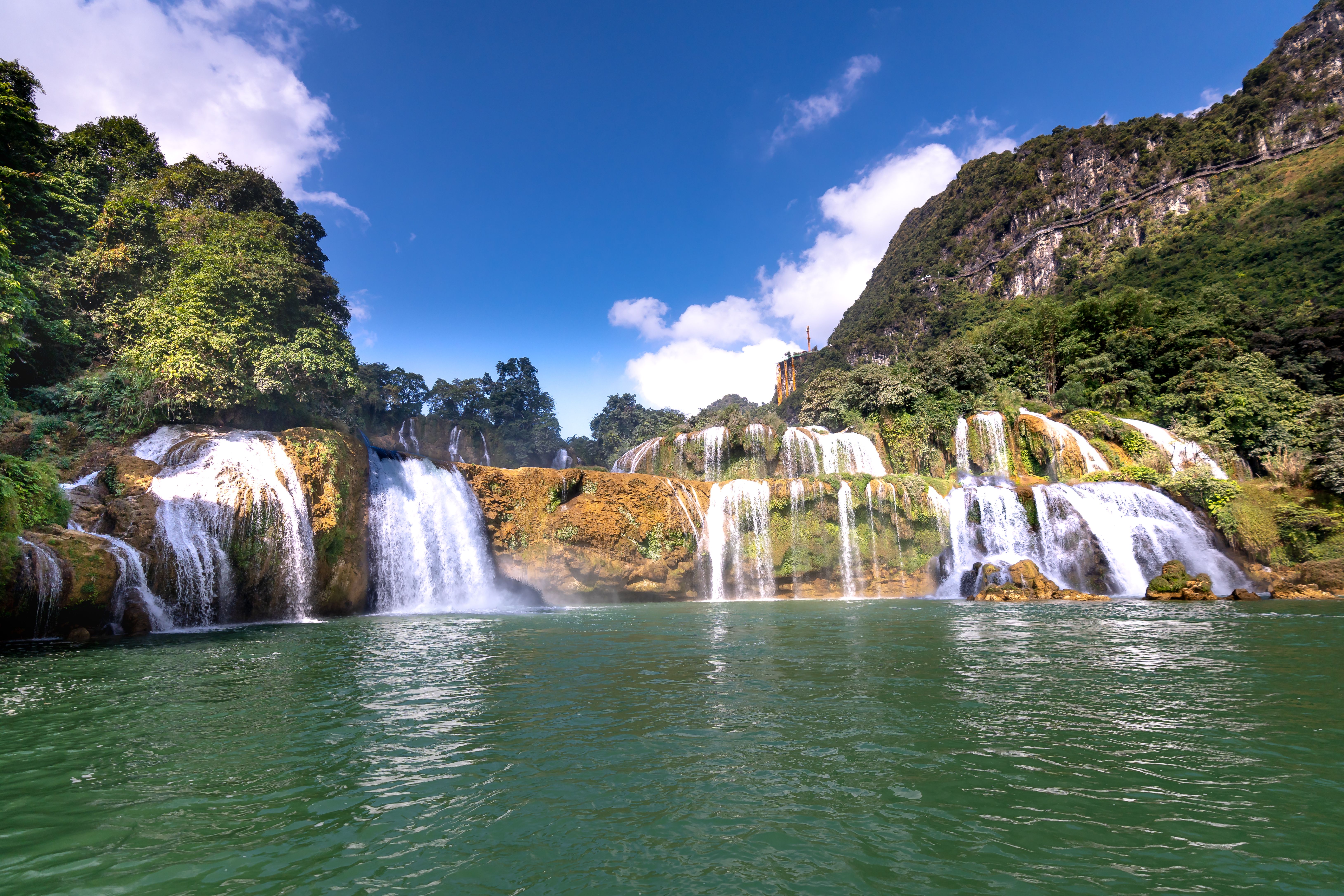
Ban Gioc is Vietnam's largest natural waterfall and one of the most dramatic in Southeast Asia, spanning over 300 metres and split between Vietnam and China along the border. A bamboo raft ride takes you right up to the base of the falls, close enough to feel the spray — quick-dry clothing is worth packing for this. The surrounding landscape of rice paddies and limestone peaks around Trung Khanh adds to the sense that you've arrived somewhere genuinely remote, not just another stop on a well-worn circuit.
3. Nguom Ngao Cave
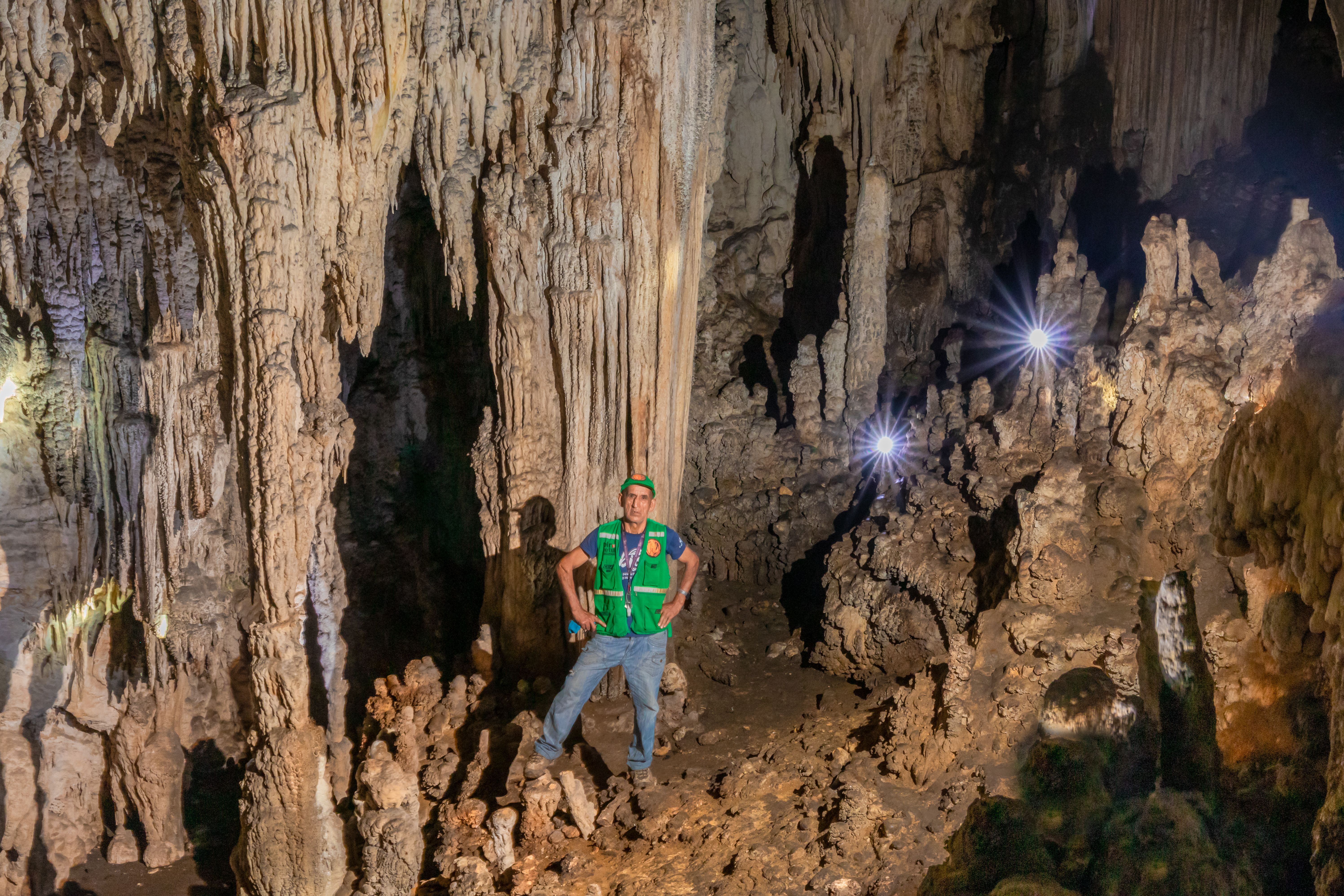
A short distance from Ban Gioc, Nguom Ngao Cave stretches over 2,100 metres underground and is filled with striking stalactite and stalagmite formations, many lit to highlight their natural shapes without feeling overly staged. It's an easy, well-maintained walk rather than a technical caving experience, making it accessible to most fitness levels, and pairs naturally with a Ban Gioc visit on the same day.
4. Ba Be Lake & National Park
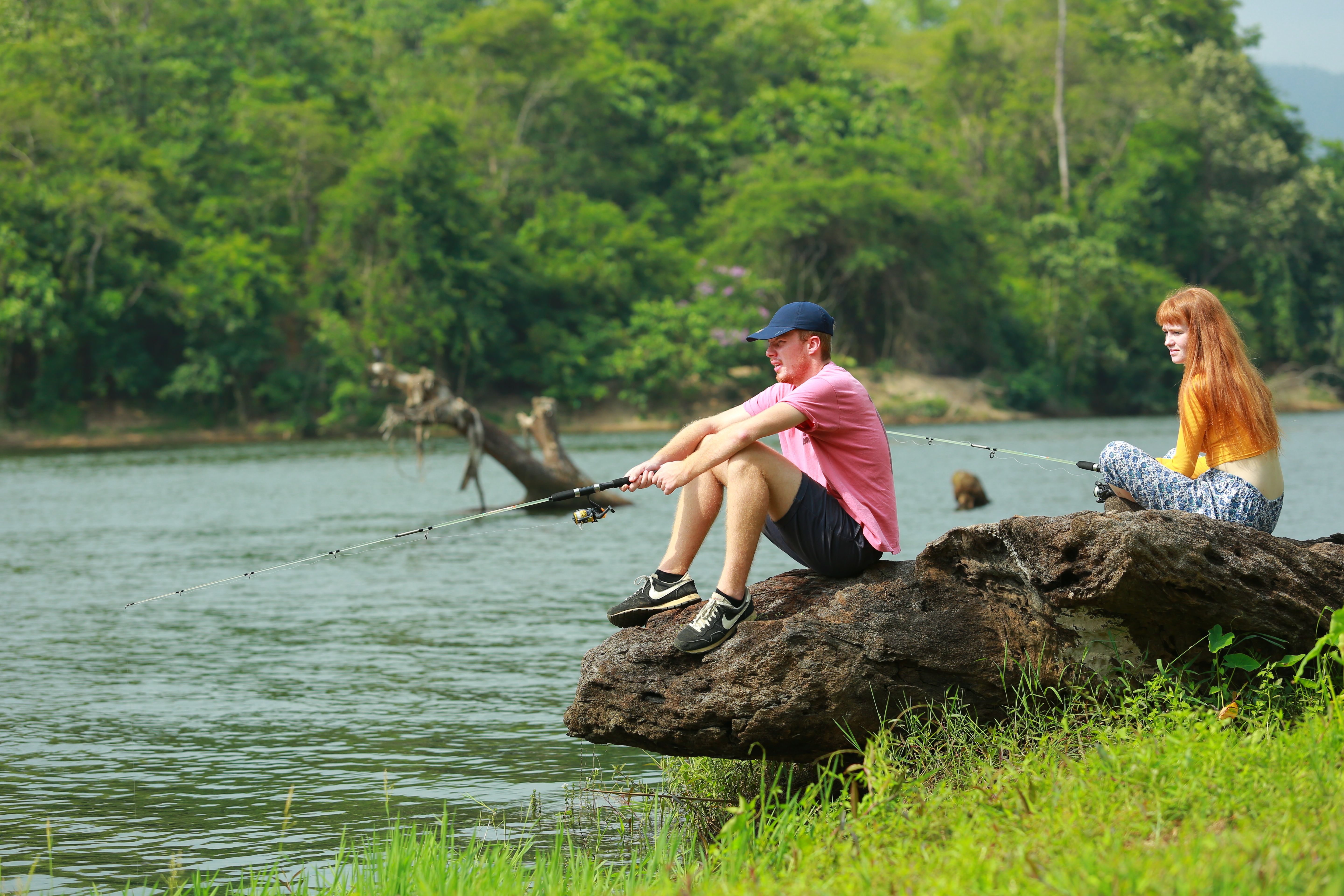
Ba Be is Vietnam's largest natural freshwater lake, set inside a national park of limestone karsts and rainforest. A boat crossing to the north shore leads into a hiking trail through ancient forest, past a prehistoric cave estimated at 500 million years old, and on to An Ma Temple, a site sacred to the local Tay people. Travellers who enjoy the water can swim directly from the boat — a quiet, unhurried contrast to the more adrenaline-driven stops earlier in the trip.
5. History and Border Villages Along the Way
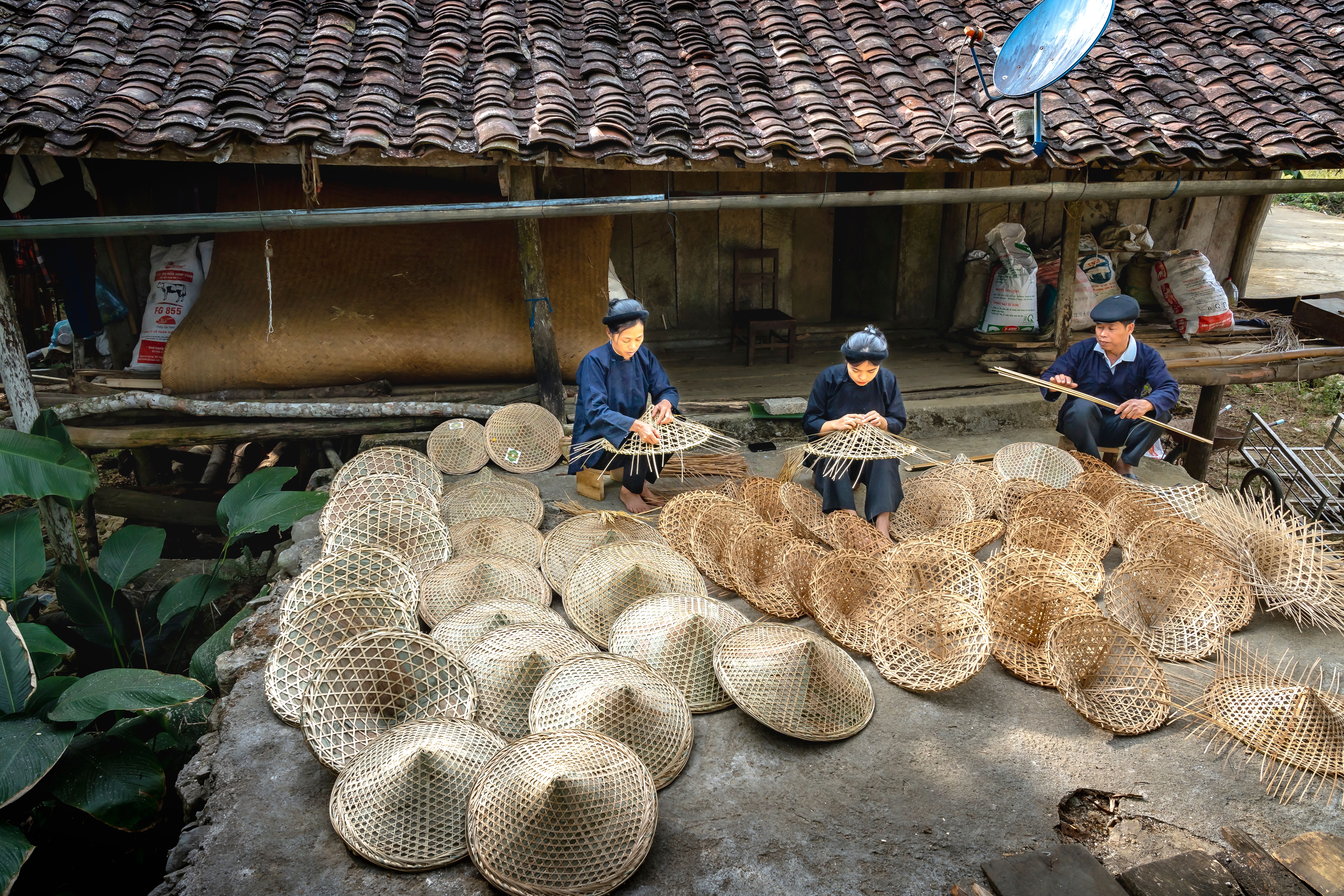
The route up from Hanoi carries real historical weight for travellers interested in it: Mac Citadel, a 16th-century fortress near Lang Son, and Dong Khe, site of a pivotal 1950 battle that shifted momentum in the First Indochina War. In Phuoc Sen village, local Nung blacksmiths still forge the farming tools used across the surrounding rice paddies — a working craft rather than a staged demonstration, and one of the more memorable stops for travellers who appreciate seeing a traditional trade still in active use.
6. Homestays With the Nung and Tay People
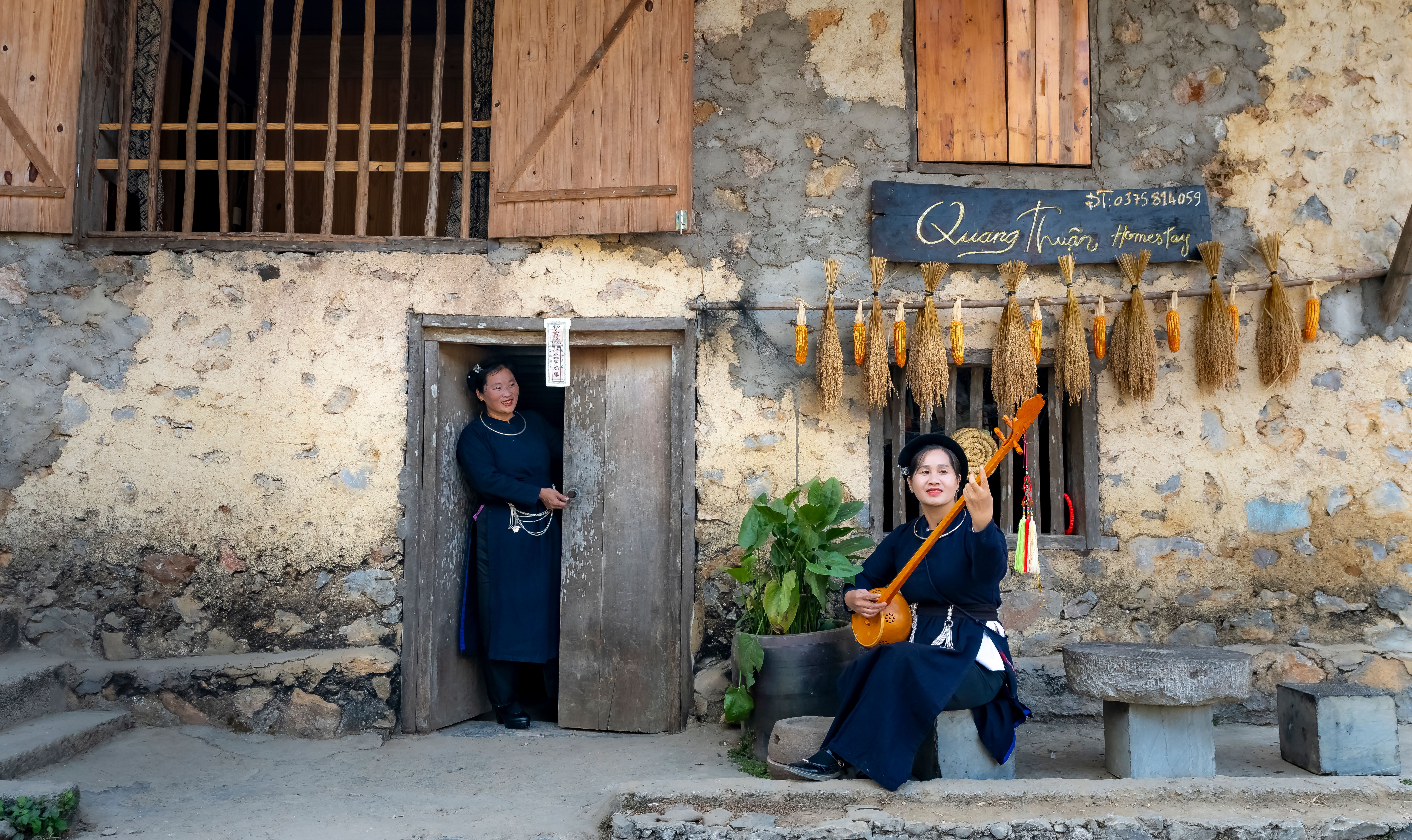
Cao Bang's homestays are run by the families who actually live in them, rather than built as tourist accommodation — a distinction that matters to many European and Australian travellers specifically seeking a more genuine cultural exchange than a hotel can offer. A Nung family homestay near Quang Uyen and a Tay family homestay by Ba Be Lake bookend this route, each with a home-cooked dinner and the chance to ask questions about daily life in a part of Vietnam that still runs largely outside the tourist economy.
7. Best Time to Visit
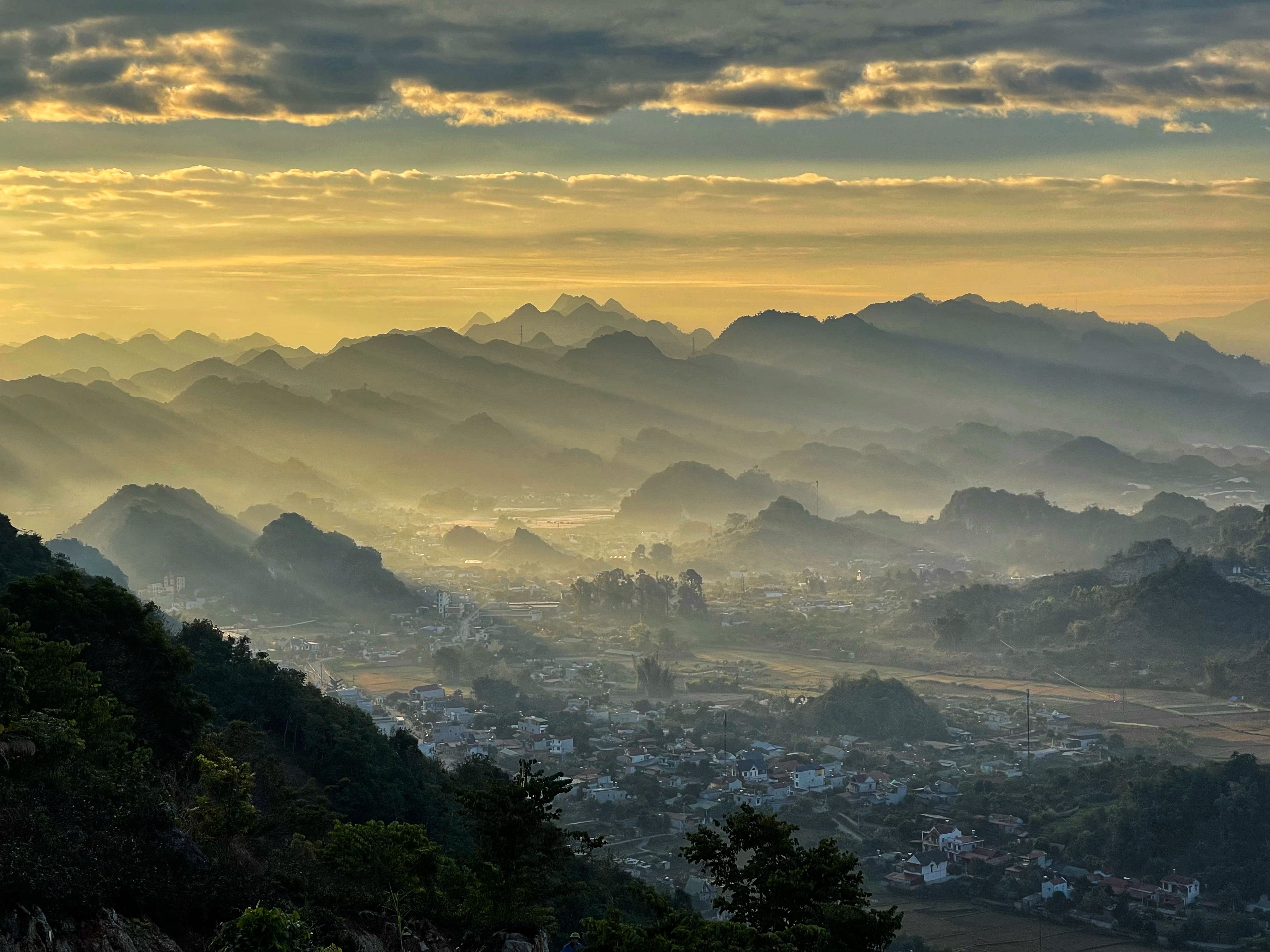
Ban Gioc Waterfall is at its most powerful from August to October, right after the summer rains, when water flow is heaviest and the surrounding rice terraces are turning gold. Spring (March-April) brings cooler, clearer weather and is a strong alternative if you'd rather avoid the wettest months. Winter can turn genuinely cold in the mountains around Cao Bang, so pack accordingly if travelling between December and February.
| Cao Bang's roads are remote and winding, and public transport options this far north are limited — this is a region where a private tour genuinely changes the experience, with an experienced driver handling mountain roads and a guide who can translate at homestays along the way. A small group tour is a good alternative for travellers who'd rather share the vehicle and guide while keeping the trip intimate rather than joining a large bus. |
FAQ
|
How far is Cao Bang from Hanoi? It's roughly a 6-7 hour drive, usually broken up with stops at historical sites like Mac Citadel along the way, which is why most itineraries spread the journey over 2-3 days rather than a rushed round trip. |
|
Is Ban Gioc Waterfall worth the trip from Hanoi? Yes — it's Vietnam's largest waterfall and genuinely striking, especially paired with Nguom Ngao Cave nearby. Its distance from Hanoi is exactly why it still feels far less crowded than better-known northern destinations. |
|
Can Ban Gioc, Nguom Ngao Cave and Ba Be Lake be combined in one trip? Yes — this is the most common route, typically run over 3 days with homestays in Cao Bang and Ba Be along the way. |
|
Is this trip suitable without a tour guide? It's possible independently, but the remote roads, limited English signage and homestay-based accommodation make a private guide genuinely useful here, more so than in Vietnam's more established tourist regions. |
Discover One of Vietnam's Least-Visited CornersAzotar Travel runs private and small group tours to Ban Gioc Waterfall, Nguom Ngao Cave and Ba Be Lake, with homestays run by the local Nung and Tay families who call this region home. View This Cao Bang Tour |

0 Comment