



Title: What to Pack for Vietnam: The Complete Packing Guide by Season & Region
Description: A practical Vietnam packing guide covering what to bring for the north's cool winters, the south's year-round heat, and everything in between — plus what you genuinely don't need.
What to pack for Vietnam · Vietnam packing list · Vietnam packing guide by season · what to wear Vietnam · Sapa packing list · Vietnam travel checklist
Pack in Layers, Not for One Climate
A north-to-south Vietnam itinerary can mean genuinely cold mornings in Sapa (single digits Celsius in winter) and sweltering 34°C heat in Ho Chi Minh City within the same 2-week trip. The solution isn't packing separately for each region — it's packing versatile layers that work across the range, plus a small number of region-specific items. Below is the framework, followed by the region-by-region detail.
The Core List — What Everyone Needs
What to Add by Region
Extra Items for Specific Activities
What You Genuinely Don't Need to Pack
| 👕 A full wardrobe for every day — laundry service is cheap and fast almost everywhere in Vietnam (often same-day, a few dollars per kilo). Pack for 5–7 days and launder rather than overpacking. |
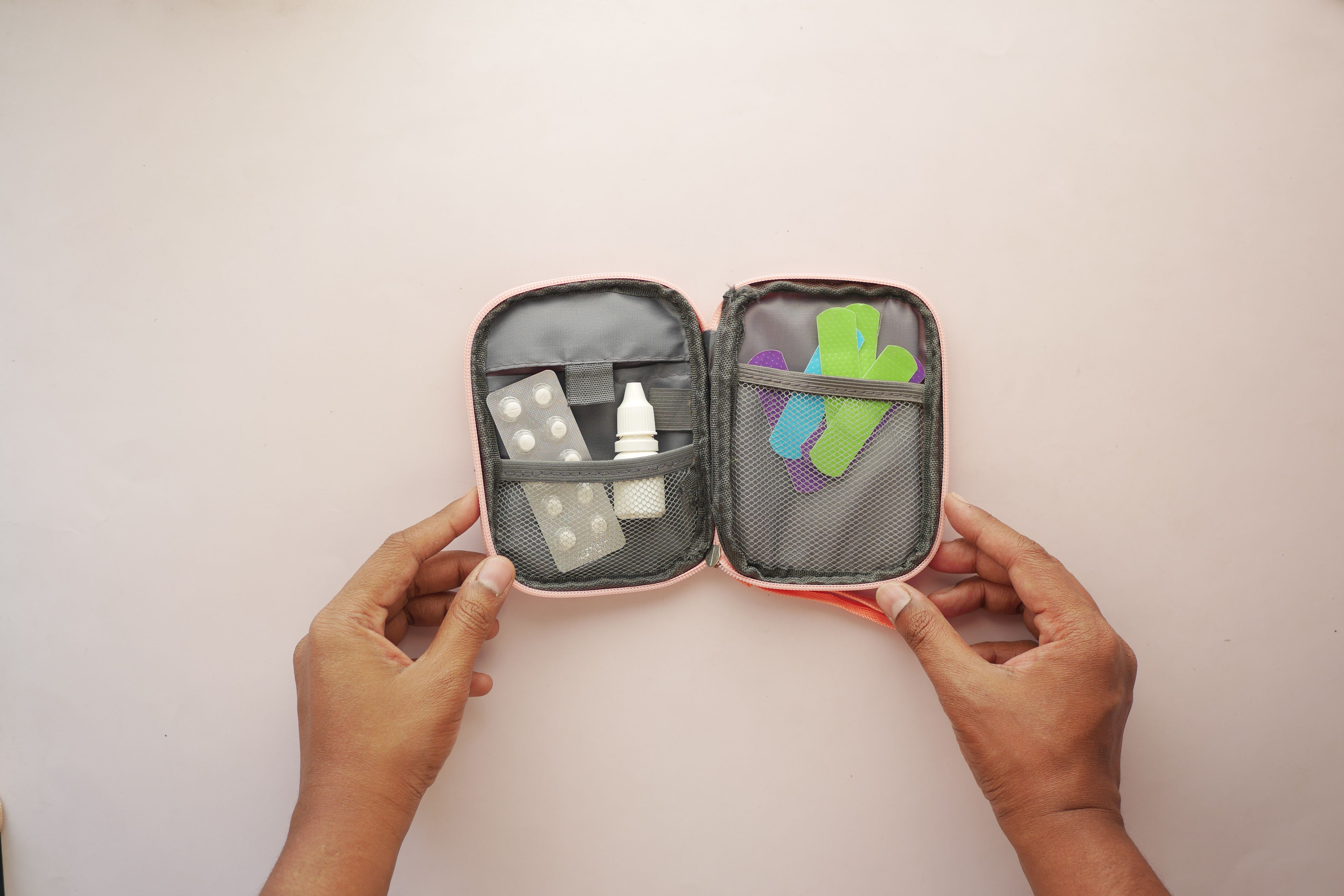
| 💊 An extensive medical kit — pharmacies in cities are well-stocked and staff are generally helpful even with a language barrier. A basic kit for the first day or two is sufficient. |
| 🌂 A large umbrella — a compact rain jacket handles Vietnam's rain patterns better, especially if you're moving between transport and activities frequently. |
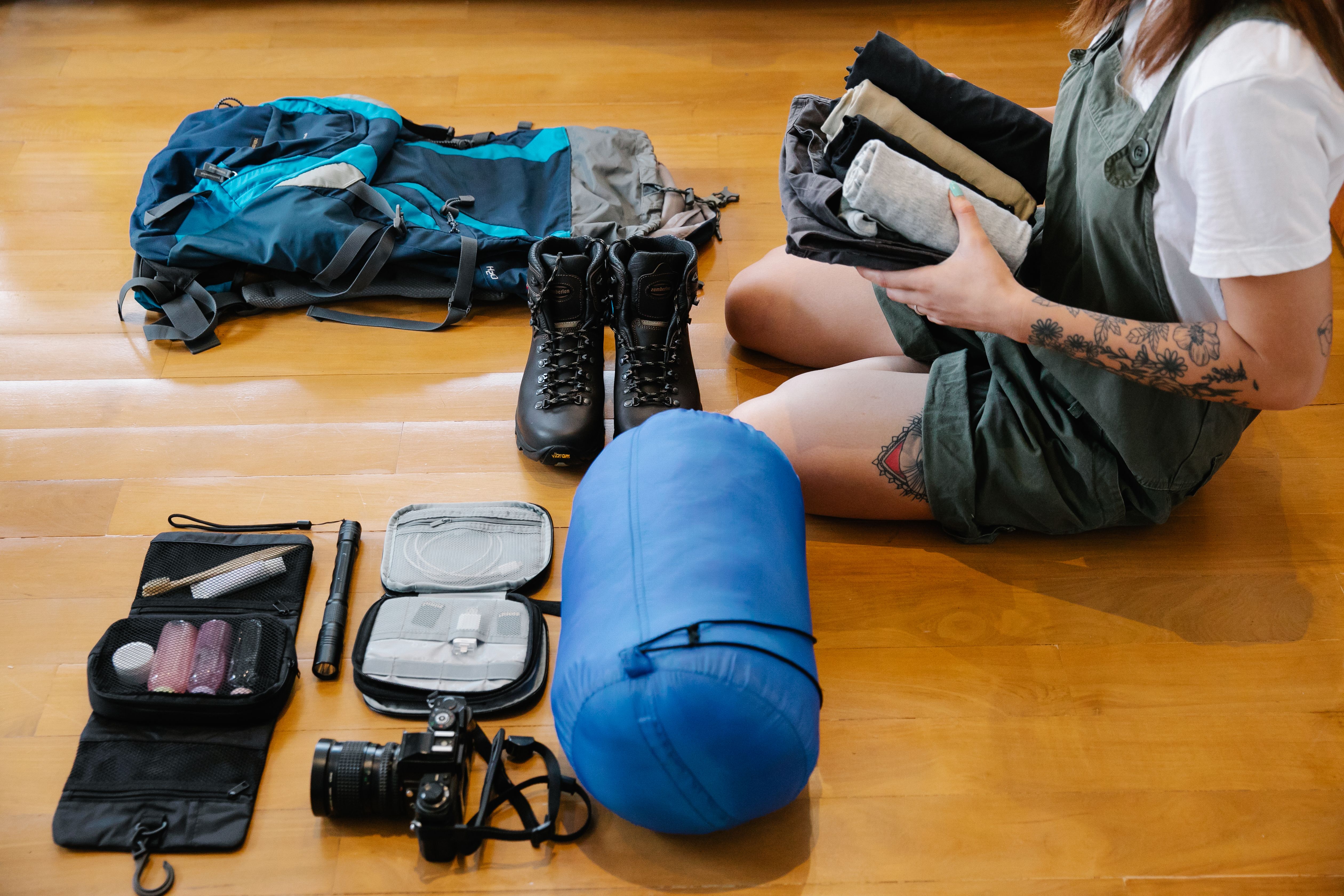
| 🥾 Heavy hiking boots for a standard itinerary — unless doing serious multi-day trekking, comfortable trainers handle Vietnam's cities, temples, and light trekking (Ninh Binh, gentle Sapa trails) perfectly well. |
Frequently Asked Questions
Packing for only one climate — usually the warm south — and then being caught off guard by genuinely cold conditions in Sapa or unexpectedly cool evenings in Da Lat. The second most common mistake is overpacking clothing volume when laundry service is cheap and widely available throughout the country.
Almost certainly, especially in Hanoi and Ho Chi Minh City — clothing, basic toiletries, umbrellas, sunscreen, and even reasonably priced trekking gear are all readily available. The main exceptions are specific prescription medications (bring these from home in original packaging) and larger sizes of clothing/shoes, which can be harder to find outside major shopping centres.
Vietnam is generally relaxed about dress in cities and tourist areas, though modest coverage (shoulders and knees) is expected at temples and pagodas. Beachwear is fine at beaches but not typically worn walking through towns. In rural and minority village areas, slightly more conservative dress is appreciated as a matter of respect, though not strictly enforced.
Packed and Ready — Let's Plan the Rest
Azotar Travel designs private tours and small group tours across every region mentioned in this guide. Tell us where you're headed and we'll help you know exactly what to expect.
| Plan My Vietnam Trip → | View All Tours → |

0 Comment