


Title: Returning to Vietnam: A Travel Guide for Việt Kiều & Overseas Vietnamese
Description: A practical guide for overseas Vietnamese visiting or returning to Vietnam — visa exemptions, reconnecting with family origins, what's changed, and how a private guide helps bridge the gap between memory and today.
Viet Kieu travel guide 2025 · overseas Vietnamese visiting Vietnam · Viet Kieu visa exemption · returning to Vietnam guide · heritage trip Vietnam · second generation Vietnamese travel
This Isn't Quite Tourism, and That's the Point
Every year, a significant number of overseas Vietnamese — from the generation who left decades ago to their children and grandchildren who have never set foot in the country — travel to Vietnam carrying something a typical tourist doesn't: family history. Sometimes it's a first-generation traveller returning to a childhood town after 30 or 40 years. Sometimes it's a second-generation traveller trying to picture a village their parents describe but never fully explained. Both experiences deserve a different kind of planning than a standard sightseeing trip.
This guide covers the practical logistics specific to overseas Vietnamese travellers, alongside the honest, less-discussed emotional and cultural realities of a trip like this.
Visa & Entry — What's Different for Overseas Vietnamese
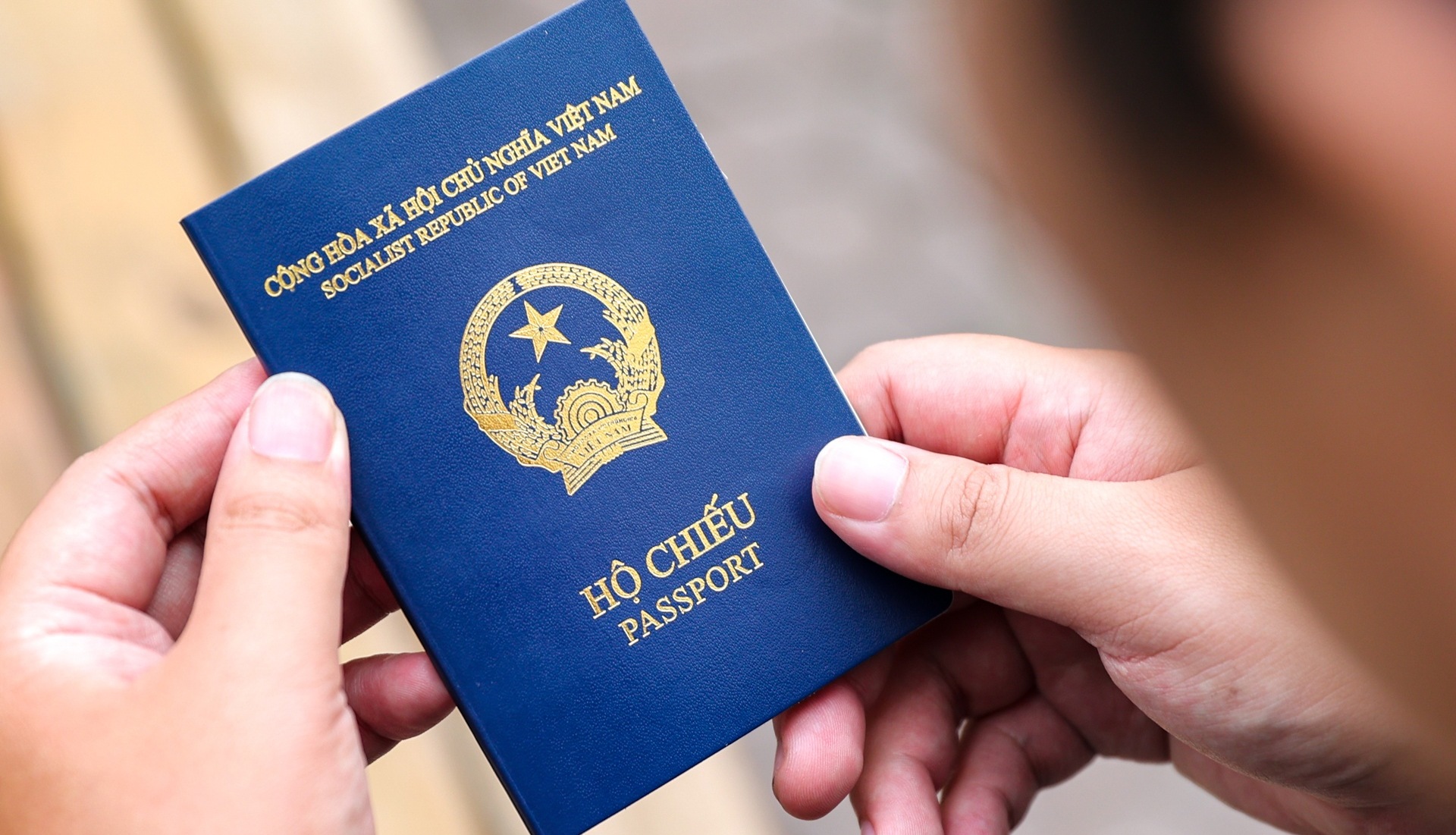
Vietnam has historically offered specific visa exemption provisions for people of Vietnamese origin holding foreign passports, and for their immediate foreign spouses and children, generally allowing longer stays without a standard visa. These provisions and their exact terms are periodically reviewed and can change — always verify current requirements directly with the nearest Vietnamese embassy or consulate, or the official immigration portal, before travel, since eligibility criteria (proof of Vietnamese origin, required documentation such as an old Vietnamese birth certificate, household registration book, or a parent's Vietnamese passport) can be specific and worth preparing in advance.
| 📄 Any old Vietnamese ID card, birth certificate, or household registration book (sổ hộ khẩu) belonging to you or your parents |
| 📄 A parent's original Vietnamese passport, if it still exists, even expired |
| 📄 Marriage or family records that establish Vietnamese lineage, if the connection is through a grandparent rather than a parent |
What Has Genuinely Changed Since You (or Your Parents) Left
For first-generation returnees especially, the honest preparation is that Vietnam today can look, sound, and feel meaningfully different from memory — this isn't a criticism, but worth knowing before you arrive so the adjustment doesn't come as a shock.
Finding a Family Home, Village, or Grave Site
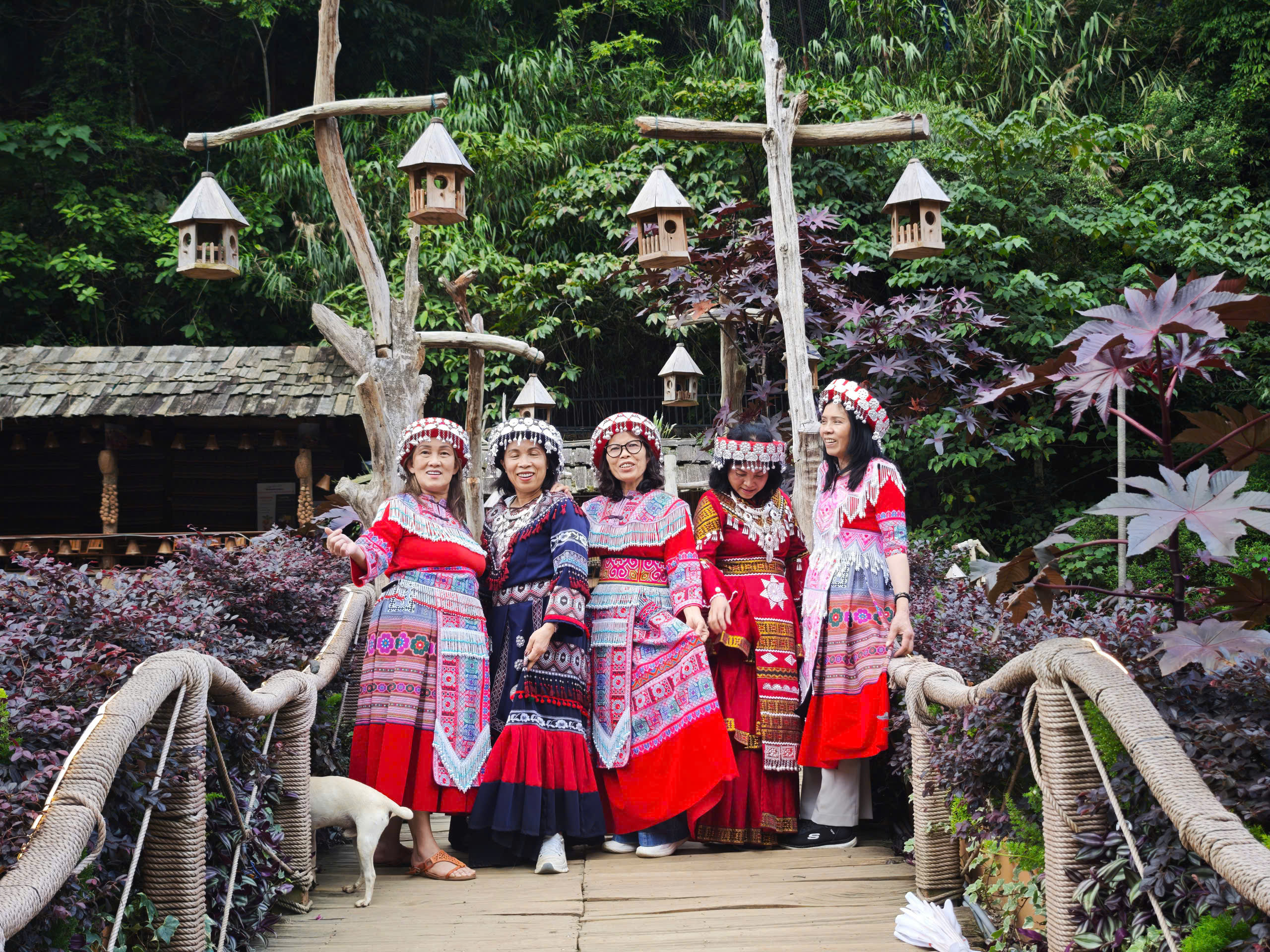
This is often the most meaningful part of a return trip, and also the part most likely to require genuine local help — old addresses, renamed streets, redrawn administrative boundaries, and the simple passage of decades can make a remembered location surprisingly difficult to relocate independently.
For Second and Third-Generation Travellers
Travelling to Vietnam having grown up abroad, sometimes with limited Vietnamese language and a version of the country pieced together from family stories, photographs, and food, is its own distinct experience — genuinely different from both a first-generation return trip and a standard tourist visit.
| 🗣️ Language support without judgement. A guide who can bridge conversations with relatives or locals comfortably, without making language gaps feel embarrassing, changes the entire tone of family visits. |
| 🍜 Food as a genuine bridge. Many second-generation travellers find regional food — the specific dishes their family cooked at home — one of the most emotionally direct connections to heritage available on the trip. |
| 🏘️ Context, not just sightseeing. Understanding the history and circumstances behind a family's departure — whether that's 1954, 1975, or another period — adds real depth to visiting Vietnam, and a knowledgeable guide can offer this context respectfully and accurately. |
Visiting Ancestral Graves & Family Altars
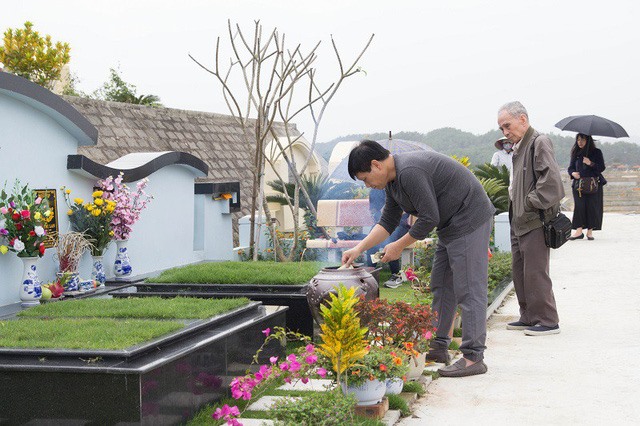
For many overseas Vietnamese, visiting a family grave site or ancestral home altar is a central purpose of the trip — an act of respect (đạo hiếu) that carries deep cultural weight. A few practical points worth knowing:
Frequently Asked Questions
Fluency helps enormously with everyday interactions, but locating an old address, navigating historical street name changes, or connecting with distant relatives you've never met often benefits from someone with direct local knowledge and relationships — regardless of language ability. Many Việt Kiều travellers find a private guide most valuable specifically for these connective, research-heavy parts of the trip rather than everyday translation.
Many returning travellers describe genuinely mixed emotions — joy, disorientation, grief for what's changed, and unexpected warmth all in the same trip. This is a completely normal response to a complex experience, and it's worth building some unstructured time into the itinerary rather than a packed sightseeing schedule, so there's room to process moments as they come.
Yes — a private tour is generally the right format for this kind of trip specifically because it can flex around family visits, an unplanned extra hour searching a neighbourhood, or an emotional morning at a grave site, none of which fit a fixed group itinerary. Sharing whatever family details and documentation you have in advance lets a guide prepare properly rather than improvising on the day.
Let Us Help You Find Your Way Back
Azotar Travel offers private tours built around family history, ancestral villages, and reconnecting with relatives — alongside the sightseeing that makes a trip whole. Share what you know, and we'll help fill in the rest.
| Plan My Return Trip → | View All Tours → |

0 Comment