

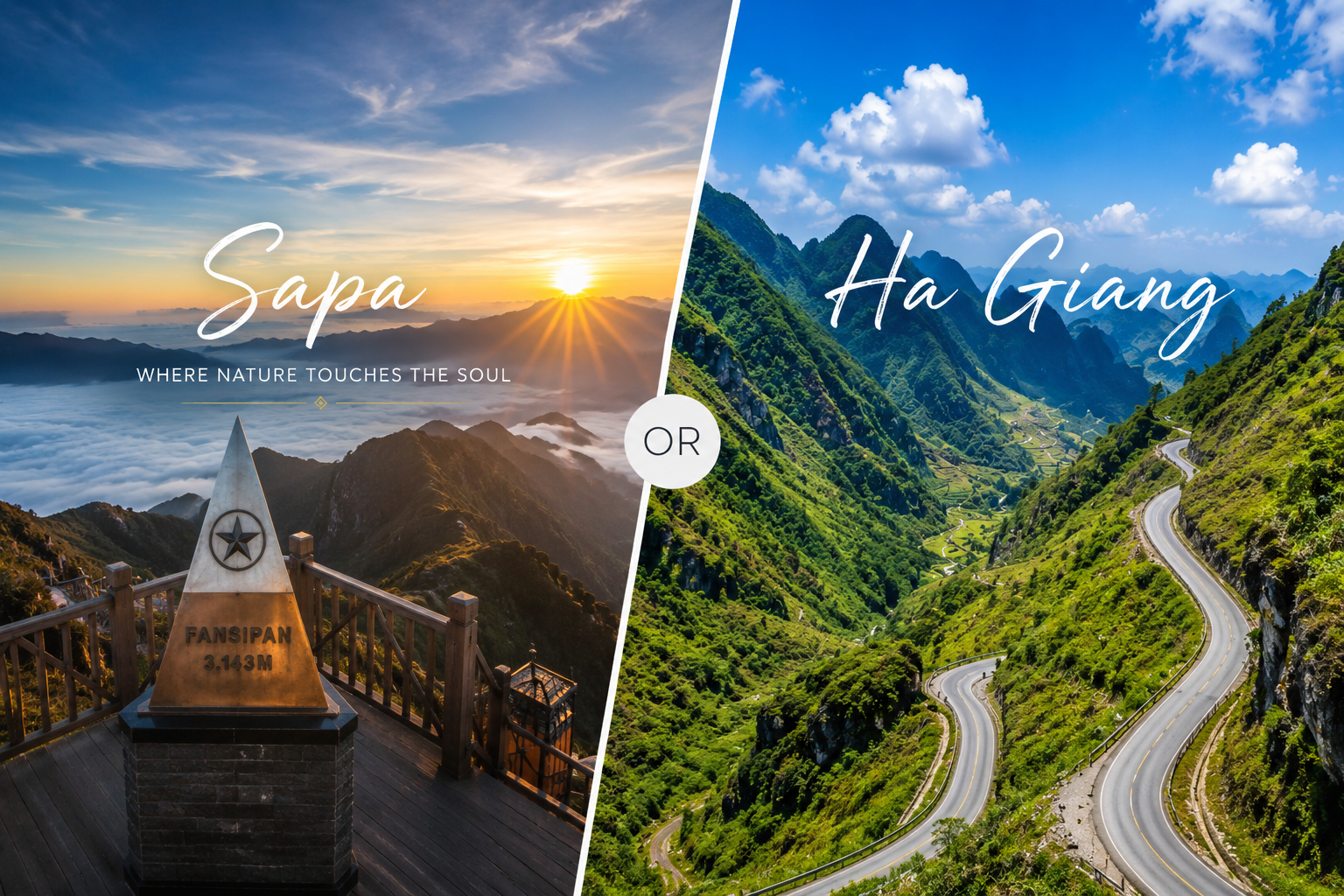

Title: Sapa vs Ha Giang 2025: Which Mountain Trekking Destination Is Right for You?
Description: Sapa or Ha Giang — an honest comparison of Vietnam's two great mountain destinations. Trekking difficulty, scenery, crowds, logistics, and who each one is really for.
Sapa vs Ha Giang · Ha Giang loop guide 2025 · Sapa trekking guide · best mountain trekking Vietnam · Ha Giang vs Sapa which is better · northern Vietnam mountains comparison
The Core Difference
Sapa is about walking — multi-day treks on foot through terraced rice valleys, staying overnight in H'mong or Dao minority villages, moving at a slow, immersive pace measured in kilometres per day. Ha Giang is about the road — a multi-day loop by motorbike or car through some of the most dramatic mountain scenery in Southeast Asia, covering far more ground and visiting more distinct landscapes, but with less time on foot in any single place.
Neither is objectively better. Sapa rewards travellers who want depth — real time in one community, genuine trekking effort, a slower unfolding of a single valley system. Ha Giang rewards travellers who want breadth — jaw-dropping mountain passes, dramatic vistas that change every hour, and the sense of an epic journey covered in days rather than a single trek.
Category by Category
Sapa — What the Experience Actually Involves
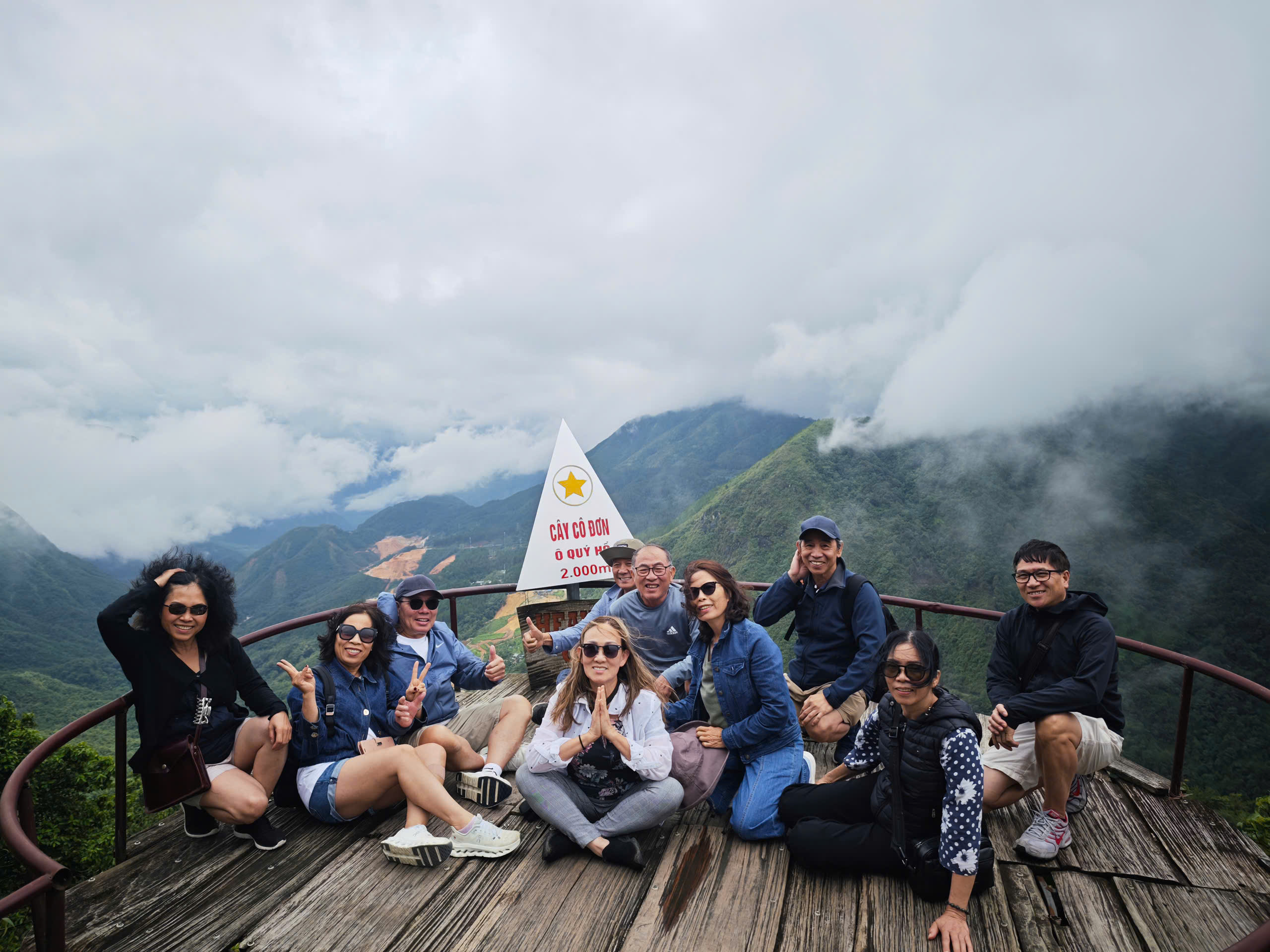
A typical Sapa trek starts from the town itself, descending into the Muong Hoa Valley through terraced rice paddies carved into the mountainside over centuries by the H'mong and Dao communities who still farm them. Trails connect villages — Lao Chai, Ta Van, Giang Ta Chai — where a private guide can arrange an overnight homestay with a local family, sharing a meal cooked together and genuine conversation about daily mountain life.
|
✓ What makes Sapa special
The terraced rice valleys are among the most visually striking agricultural landscapes anywhere — golden in September–October harvest, flooded and mirror-like in May–June planting season. The homestay experience, done properly with a guide who has real village relationships, is genuinely one of the most culturally rich experiences in northern Vietnam.
|
|
⚠️ The honest downside
Sapa's popularity has brought real commercialisation — the town centre is dense with hotels and tour touts, and some of the closer villages (Cat Cat especially) feel like tourist attractions rather than living communities. The trekking trails further out avoid most of this, but it requires a guide who knows where to go to genuinely escape it.
|
Ha Giang — What the Experience Actually Involves
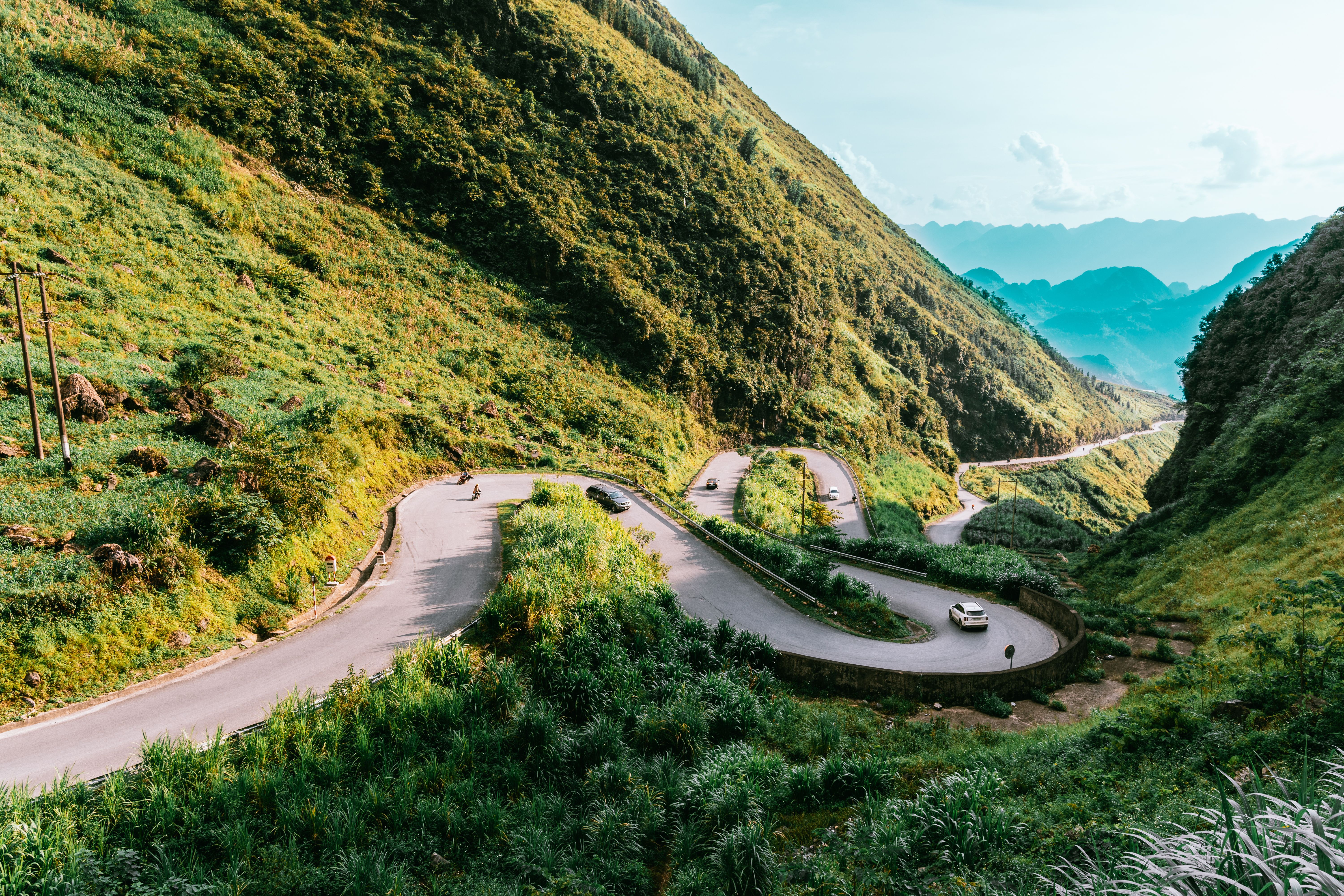
The Ha Giang loop is a multi-day road journey through the Dong Van Karst Plateau Geopark — a UNESCO-recognised landscape of extraordinary limestone mountains near the Chinese border. The classic route runs Ha Giang city → Yen Minh → Dong Van → Meo Vac, crossing the legendary Ma Pi Leng Pass, one of the most spectacular mountain roads in Vietnam, with the Nho Que River visible far below in a canyon carved through solid rock.
|
✓ What makes Ha Giang special
The scale and drama of the landscape is genuinely unmatched anywhere else in Vietnam — vast limestone plateaus, dramatic canyons, and mountain passes that induce actual vertigo. Buckwheat flower season (October–November) turns entire hillsides pink and white. The remoteness means far fewer tourists than Sapa, and the sense of adventure is considerably stronger.
|
|
⚠️ The honest downside
Self-driving the loop on a rented motorbike is genuinely risky for inexperienced riders — the mountain roads have sheer drops, unpredictable weather, and long stretches with limited emergency access. Many tourist motorbike accidents each year happen specifically here. Riding pillion behind an experienced local driver ("easy rider" services) or travelling by private car removes this risk while preserving the experience.
|
Which One Is Right for You?
The Guide Difference in Both Regions
In Sapa, a private guide with real village relationships is the difference between a generic homestay and genuinely being welcomed into a family's daily life — plus trail knowledge that avoids the most commercialised, touristed sections. In Ha Giang, a private driver eliminates the single biggest risk of the entire trip (inexperienced self-riding on mountain passes) while still delivering the full scenic and adventure experience.
Both regions are places where the gap between a well-guided private tour or small group tour and an unguided independent trip is larger than almost anywhere else in Vietnam — the terrain, language barrier, and safety considerations all compound in ways that local expertise directly resolves.
Frequently Asked Questions
The primary risk in Ha Giang is road safety on mountain passes, particularly for inexperienced self-riders — this is a real and well-documented risk. Sapa's trekking trails carry more modest physical risk (uneven terrain, occasional weather exposure) but nothing comparable. Both regions are very manageable with an experienced local guide or driver, which substantially reduces the respective risk in each.
No — this is a common misconception. The Ha Giang loop is equally accessible by private car or by riding pillion behind an experienced local "easy rider" driver. Neither option requires the traveller to have any motorbike experience, and both deliver the same scenic and cultural experience as self-driving, minus the risk.
Both share similar seasonal patterns as neighbouring northern mountain regions — dry and cool October–April, wetter May–September. Sapa can be genuinely cold in winter (occasional frost, even rare snow at altitude) while Ha Giang's lower elevation valleys are somewhat milder. October–November is excellent for both — Sapa's rice harvest and Ha Giang's buckwheat flower season coincide.
Sapa is generally the more family-friendly option — shorter trekking distances can be arranged, and the homestay format works well with children given a private guide who tailors the pace. Ha Giang's mountain road format is more challenging for young children given the long daily driving distances and winding roads, though it's manageable for older children and teenagers with a private car (rather than motorbike) and a flexible itinerary.
Trek Sapa, Ride Ha Giang, or Both — With Local Experts
Azotar Travel runs private tours and small group tours across both regions — real village relationships in Sapa, and experienced mountain drivers for Ha Giang. Tell us your priorities and we'll recommend the right fit.
| Plan My Mountain Trip → | View All Tours → |

0 Comment