Title: Sapa in the Rain: Is It Still Worth Visiting? An Honest Guide for European & Australian Travellers (2026)
Description: Worried about rain in Sapa? Here's the honest truth about what rain actually does to the experience — what it ruins, what it makes more beautiful, and when you should still go.
Sapa in the rain · Sapa rainy season worth visiting · Sapa weather guide Europeans Australians · best time visit Sapa · Sapa trekking rain · Sapa mist fog worth it
Honest Travel Guide
Sapa · North Vietnam 2025
Sapa in the Rain:
Is It Still Worth Visiting?
The honest answer is: it depends on what you came for. Sapa in the rain is not the same as Sapa in the sun — but for certain travellers, it is actually more beautiful. Here is the complete, unvarnished truth about what rain does to the Sapa experience, month by month.
|
Oct–Apr
Dry season
|
May–Sep
Rainy season
|
Year-round
Possible fog & mist
|
1,600m
Altitude
|
The real answer
What Nobody Tells You About Rain in Sapa
Most travel guides about Sapa in the rain are written by people who experienced one rainy day and called it a disaster. The reality is considerably more nuanced — and for many travellers who've been to Sapa both in sunshine and in mist, the atmospheric version is actually the more memorable one.
Sapa sits at 1,600m in the Hoang Lien Son mountain range. At this altitude, weather changes rapidly and often unexpectedly. What begins as a grey, overcast morning can clear to brilliant afternoon sunshine. What looks like a clear day in Hanoi can translate to dense cloud cover in the valley by the time you arrive. This is mountain weather — it operates on its own terms.
The more useful question is not "will it rain?" — the better question is: what kind of rain, how much, and what does it actually affect? That is what this guide answers.
The short version
| ✅ Light rain and mist: go — this is often when Sapa is most atmospheric |
| ✅ Overcast with no rain: go — the light is soft, the crowds thinner, the rice terraces vivid green |
| ⚠️ Heavy continuous rain: adjust — skip the long trek, do indoor activities, still worthwhile |
| ❌ Typhoon season (July–August, worst years): reconsider dates — mudslides can close trails |
When to go
Sapa Month by Month — What to Realistically Expect
| Month |
Weather |
What you'll actually experience |
Verdict |
| Jan–Feb |
5–15°C · Dry · Sometimes snow |
The coldest months. Clear days, dramatic skies, and occasional snowfall on Fansipan — a rare and spectacular sight. Bring serious warm layers. Few tourists. The terraces are bare after harvest but the mountain views are at their sharpest. |
Excellent |
| Mar–Apr |
15–22°C · Mild · Some mist |
Warming up, increasingly lush and green. Cherry and plum blossoms in March. Occasional morning mist that clears by mid-morning. Comfortable trekking temperatures. Some light rain possible in April. Good visibility for Fansipan. |
Excellent |
| May–Jun |
18–25°C · Rain begins · Humid |
The terraces are flooded for planting — one of Sapa's most photogenic periods, with mirrors of water reflecting the sky between the rice seedlings. Rain is intermittent, usually afternoon showers rather than all-day downpours. Morning trekking is usually fine. Good for photography despite the clouds. |
Good |
| Jul–Aug |
20–28°C · Heavy rain · Typhoon risk |
The most challenging months. Heavy rain is possible for days at a time. Landslide risk on mountain trails — some routes close entirely. Leech activity increases significantly on wet trails. That said, prices are lowest and the landscape is lush tropical green. Not recommended for first-time visitors or those with limited flexibility. |
Caution |
| Sep–Oct |
18–24°C · Rain easing · Golden terraces |
The most sought-after period. September–October is harvest season — the rice terraces turn gold, amber, and deep yellow in one of Vietnam's most photographed natural spectacles. Light rain is possible but unlikely to disrupt plans. The combination of harvest colours, cooler air, and softened light is extraordinary. Book well in advance. |
Best of year |
| Nov–Dec |
8–18°C · Dry · Cool & crisp |
The post-harvest dry season. Clear days, excellent Fansipan visibility, and the best trekking conditions of the year. Temperatures drop significantly at night — pack warm layers. Aligns with European and Australian end-of-year holiday periods. Increasingly popular; book ahead. |
Excellent |
The real impact
What Rain Actually Affects — And What It Doesn't
Most travellers worry about rain as if it cancels the entire trip. In practice, rain in Sapa affects some things significantly and barely touches others. Here is an honest breakdown.
|
Rain makes harder
|
Long-distance trekking
Steep mountain trails become slippery and muddy. The 8km descent to Ta Van village is manageable in light rain with proper footwear but genuinely dangerous in heavy rain. Shorter, flatter routes are the sensible alternative.
|
|
Fansipan cable car views
On overcast days the cable car still runs, but you may arrive at the summit in dense cloud with near-zero visibility. Worth checking the forecast before booking tickets. The cable car ride itself — crossing the misty mountain valley — is still dramatic even without the summit views.
|
|
Photography of distant views
Wide panoramic shots of the valley require clear air. In heavy mist, the dramatic depth-of-field views of Muong Hoa Valley disappear entirely. Macro and close-up shots, however, are often better in overcast light.
|
|
Rain barely affects
|
Village and craft experiences
Cooking classes, beeswax batik workshops, and village visits all happen indoors or under cover. Rain is completely irrelevant to these experiences — in fact, being inside with a local family during a rainstorm is one of the most memorable versions of the experience.
|
|
The Sapa market
The local market operates regardless of weather. H'mong and Red Dao women who travel hours from their villages to sell textiles and produce do not cancel because of rain. The market in the rain, with its colours and faces and smells, is arguably more authentic than the dry version.
|
|
The overnight train experience
The overnight train from Hanoi is entirely unaffected by weather and is an experience worth having in any conditions. The sound of rain on the carriage roof at night, crossing the mountain foothills, is not a bad version of the journey.
|
|
The unexpected upside
What Rain Actually Makes Better in Sapa
This is the section that surprises most travellers who've only seen Sapa's sunny photographs. There are things that are genuinely, objectively better when the weather is grey, misty, or even lightly raining — and they are the things that make Sapa unforgettable rather than merely pretty.
|
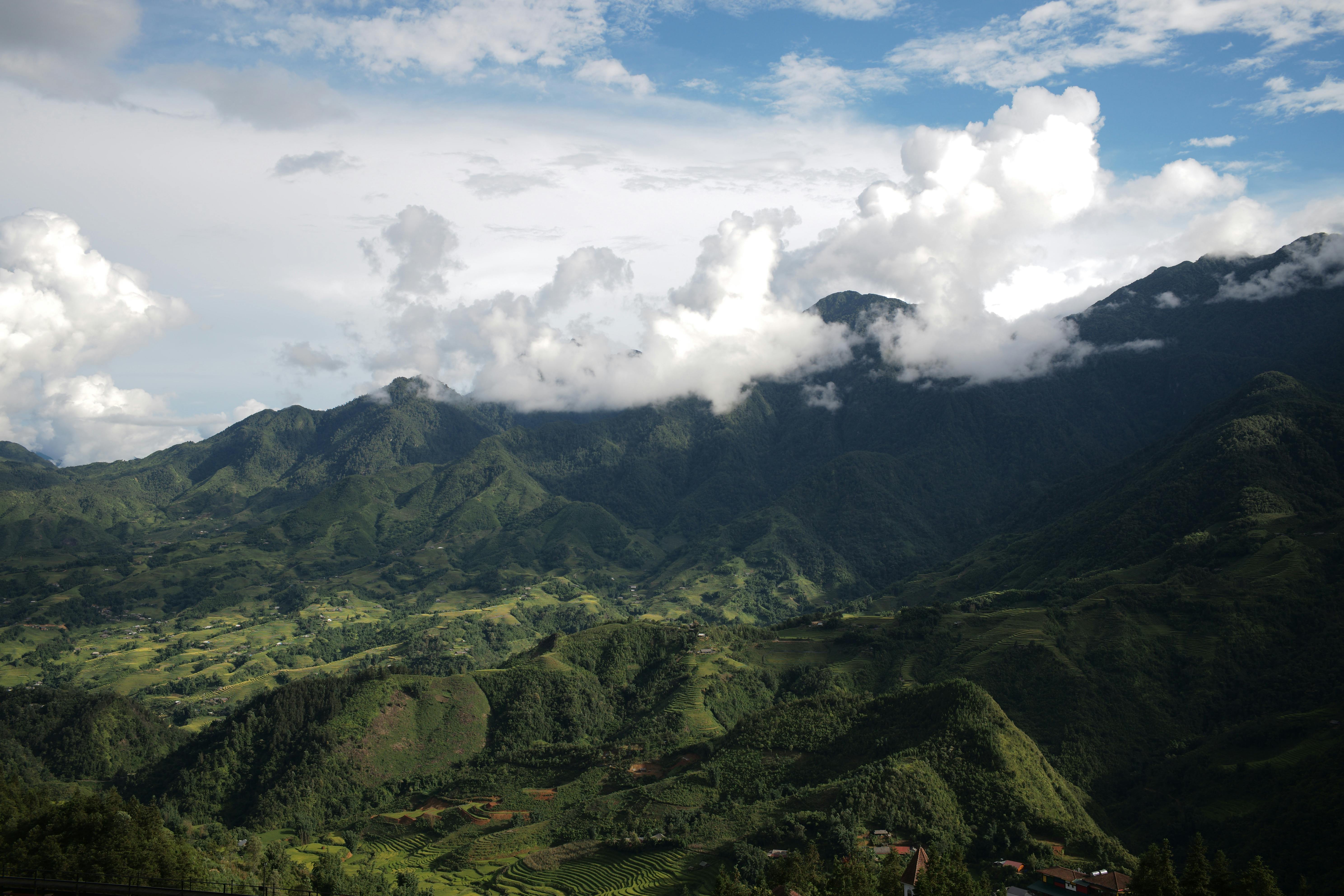
🌫️ The mist between the peaks
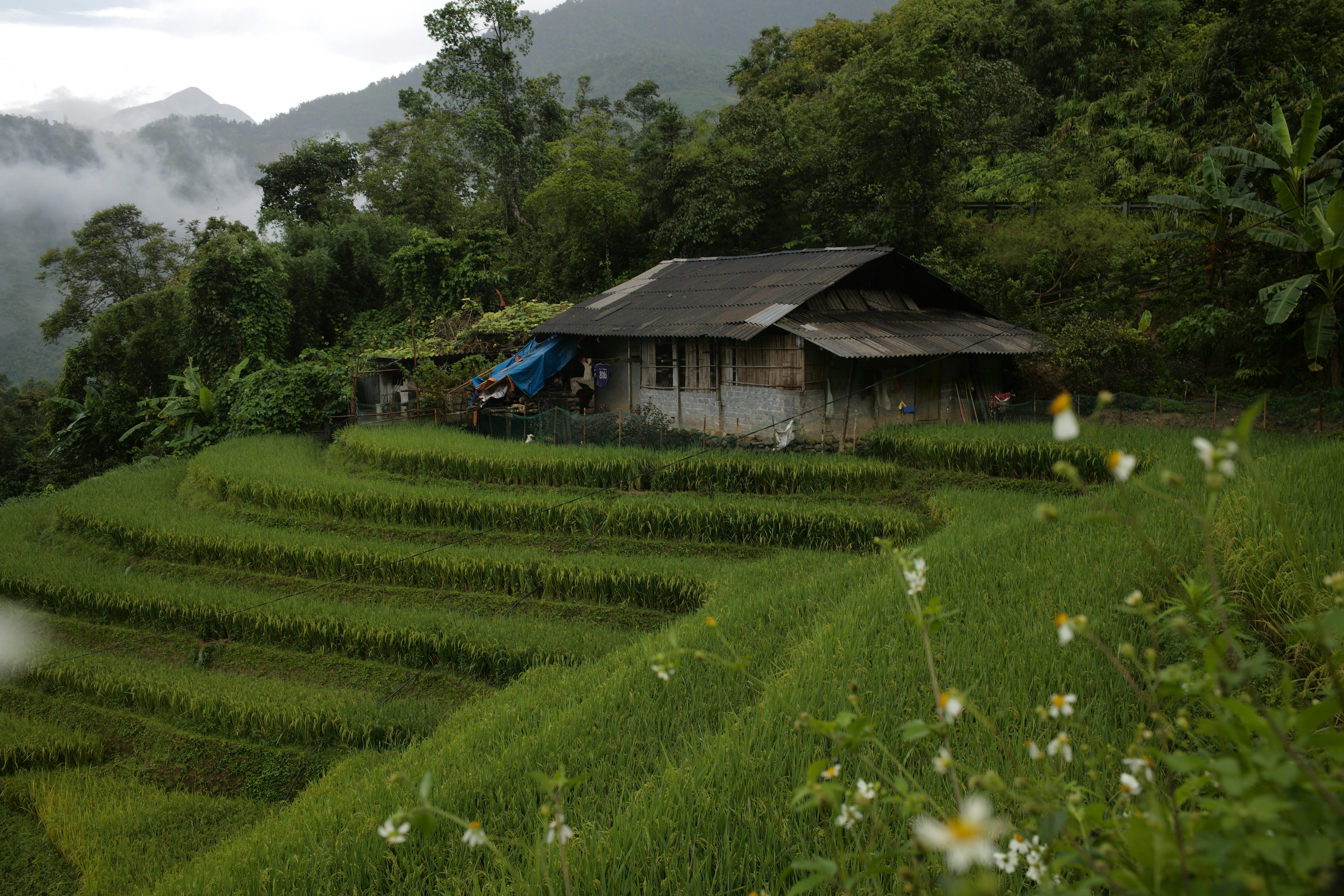
The famous images of Sapa that appear on every travel blog — limestone peaks emerging from cloud, the valley half-hidden in mist, rice terraces floating above the fog line — are not sunny-day photographs. They are morning mist photographs. This mist occurs year-round but is most consistent and dramatic during and just after rain. On a perfectly clear day, Sapa looks like a mountain. On a misty morning, it looks like something from a dream.
|
|
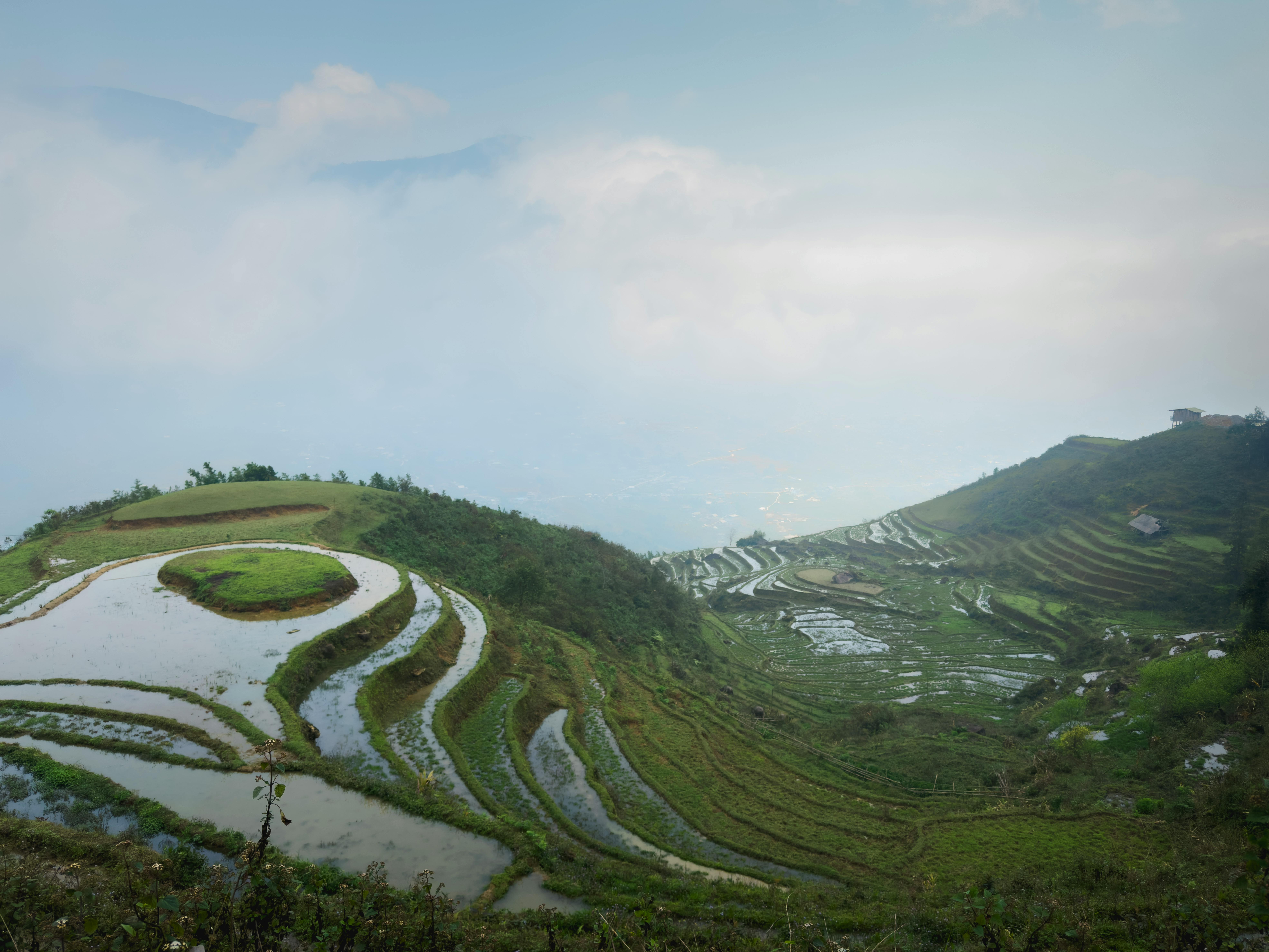
🌿 The colour of the terraces
Sapa's rice terraces change colour dramatically through the growing season — and they are most intensely green immediately after rain. The overcast light that photographers actually seek removes harsh shadows from the tiered faces of the terraces, allowing the full depth and geometry of the landscape to appear. In strong sunshine, parts of the valley are blown out; in diffuse overcast light, every terrace wall is visible.
|
|
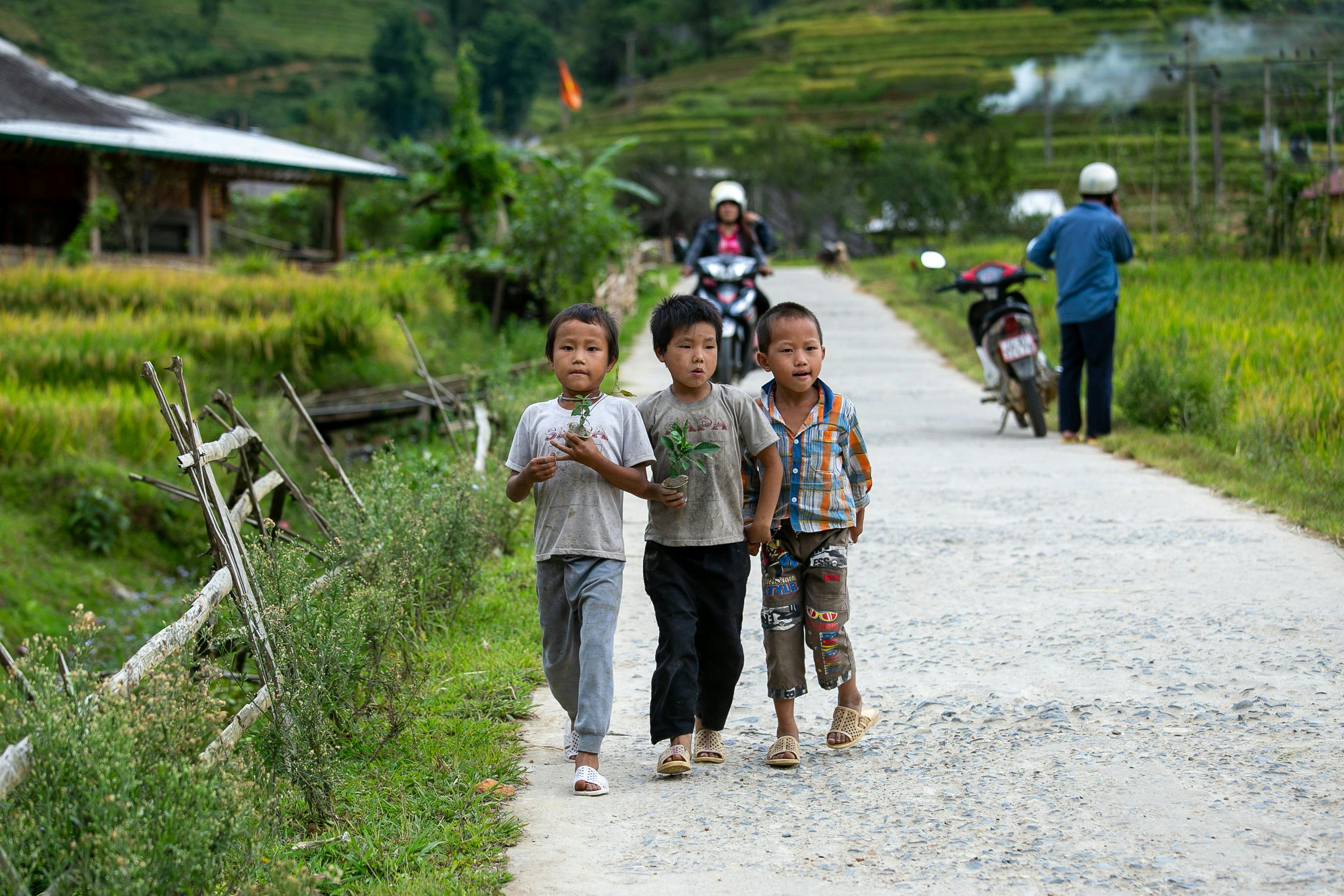
👥 Fewer tourists
Sapa has become significantly more visited in recent years. In peak season (September–October, December–January), the town and popular trekking routes are crowded. Rain and overcast weather push a significant proportion of day-trippers back to their hotels. If you are on a private tour with a local guide and willing to walk in light rain — and the right gear makes this perfectly comfortable — you will have sections of the valley largely to yourselves.
|
|
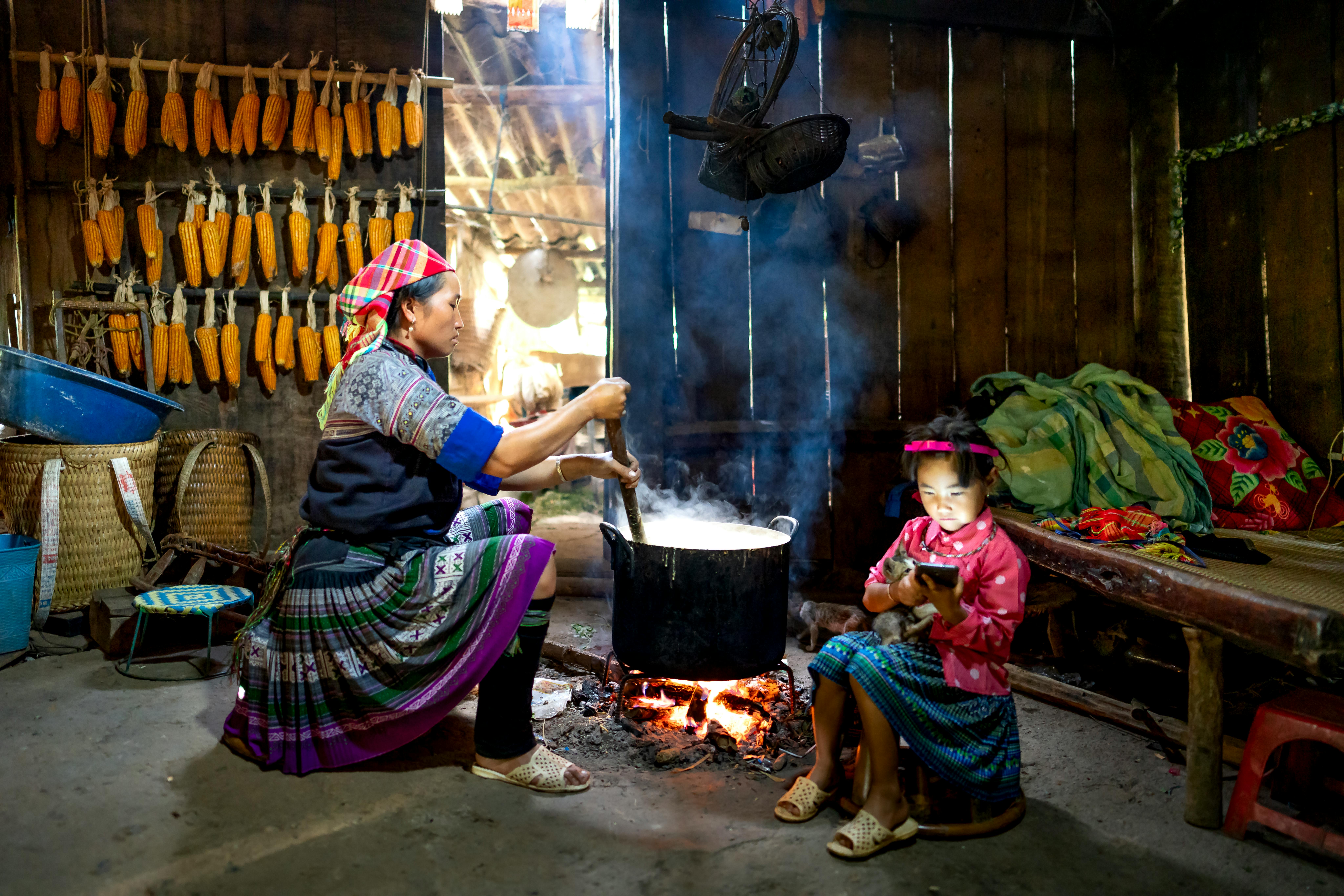
🏡 The indoor experiences become richer
A cooking class in a local home on a rainy afternoon is a completely different experience from the same class on a sunny day when you'd rather be outdoors. When the rain is coming down outside and you're in someone's kitchen learning to make H'mong dumplings over a wood fire, the warmth and intimacy of the moment is palpable in a way that good weather somehow dilutes. Many Australian and European travellers tell us their most memorable Sapa moment happened during a rainy afternoon in a village home.
|
Practical planning
What to Do If It Rains During Your Sapa Trip
If you arrive in Sapa to heavy rain, here is how to restructure your time without losing the best of the experience.
| Instead of |
Do this |
| Long mountain trek (8km+) |
Short village walk on flat paths (2–3km) with poncho — still takes you into the landscape, avoids steep slippery sections |
| Fansipan summit visit |
Reschedule to day 2 or the next morning — Sapa weather often clears overnight. Your guide can advise on the forecast. The cable car ride through mist is still worth doing even if summit visibility is limited. |
| Panoramic viewpoint photography |
Focus on close-up village and portrait photography — overcast light is ideal, and the mist creates foreground-background separation that bright sun destroys |
| Afternoon outdoor activities |
Beeswax batik workshop, cooking class, or a visit to a local H'mong family home — all of which are more intimate and memorable in the rain than in the sunshine |
Essential rain kit for Sapa
A lightweight waterproof jacket (not a poncho — you need your hands free for trekking poles and cameras). Waterproof hiking shoes or trail runners. A dry bag for your camera and phone. Trekking poles if you plan to do any sloped trails in the rain. Merino wool base layers — they stay warm even when damp. Your guide will provide ponchos at the trailhead if needed.
Is it right for you?
Who Should Go to Sapa in the Rain — And Who Shouldn't
| Go in the rain if you are... |
Consider waiting if you are... |
| ✅ Travelling on a fixed itinerary with no flexibility on dates |
⚠️ Visiting in July–August specifically for mountain summit views |
| ✅ A photographer who prefers soft, diffuse light over harsh sunshine |
⚠️ Planning aggressive multi-day backcountry trekking in July–August |
| ✅ Interested primarily in village life, cooking, and craft experiences |
⚠️ Have only one day and are set on a specific panoramic view |
| ✅ Comfortable with changing plans and going with the mountain's rhythm |
⚠️ Travelling with children under 8 in heavy rain conditions |
Common questions
Frequently Asked Questions
Can I still do the Fansipan cable car if it's raining?
Yes — the cable car operates in rain and light cloud. The issue is visibility at the top. On overcast days, the summit may be in dense cloud with near-zero views. Check the morning forecast with your guide before purchasing tickets. If you can hold off until the afternoon, weather in Sapa often clears. The cable car ride itself through the mist-filled valley is still spectacular regardless.
Are there leeches on the trails in wet season?
Yes, particularly July–September. Leeches are more prevalent on wet, vegetated trails and after rain. They are harmless — they cause no pain and carry no disease — but they are disconcerting for travellers unprepared for them. Tuck trousers into socks, use DEET-based insect repellent on footwear and clothing, and check regularly. Experienced guides carry salt to remove them. Most travellers who encounter leeches describe it as "fine once you know what to do."
Is the overnight train affected by weather?
Very rarely. The Hanoi–Lao Cai railway has operated through monsoon conditions for decades and delays due to weather are uncommon. Landslides that occasionally close mountain roads do not affect the rail line. In the very rare event of a significant weather event affecting the train, your tour operator will notify you and arrange road transfer alternatives.
What's the best month for Sapa if I'm coming from Australia or Europe?
For Australian travellers: September–October aligns with Australian school holidays and offers the golden harvest season — the most visually spectacular time of year. November–December is the next best option and increasingly popular for end-of-year trips. For European travellers: October–November for harvest colours and clear weather, or January–February for the cold season's dramatic skies and possible snow on Fansipan — both align with European holiday periods.
Will my guide cancel the trek if it rains?
A good private guide will not cancel — they will adapt. Light rain with a poncho and trekking poles on a flat route is entirely manageable and often produces the most memorable photographs. What a responsible guide will do is advise against specific steep or slippery sections, suggest alternatives, and monitor conditions throughout the day. The advantage of a private tour over a group tour is precisely this flexibility — your guide is working for you, not for a schedule.
Planning a Sapa Trip and Not Sure About the Weather?
Tell us your travel dates and what you most want from the trip — we'll advise honestly on whether it's a good time to go, and design an itinerary that works with whatever the mountain offers.




0 Comment