

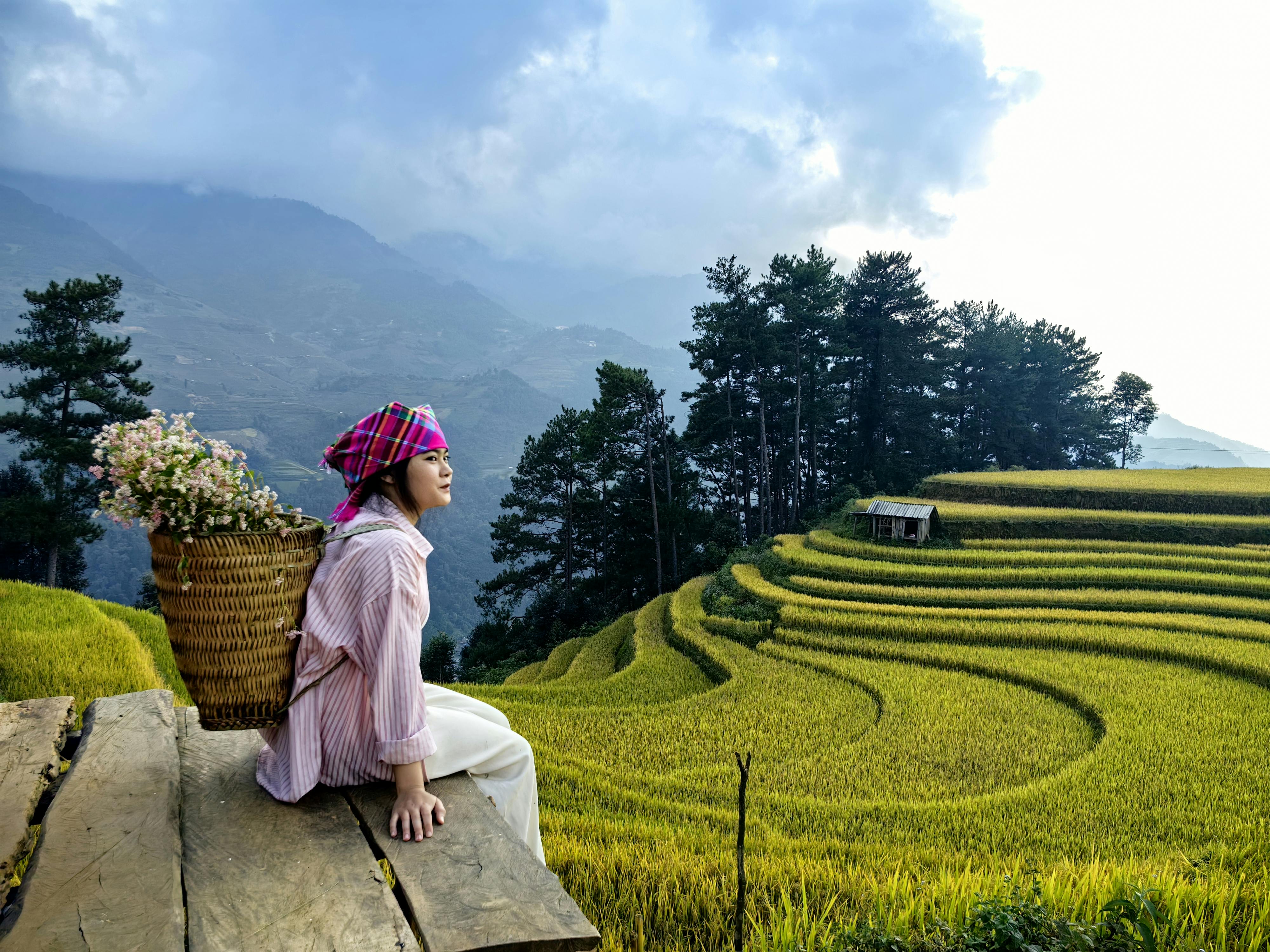

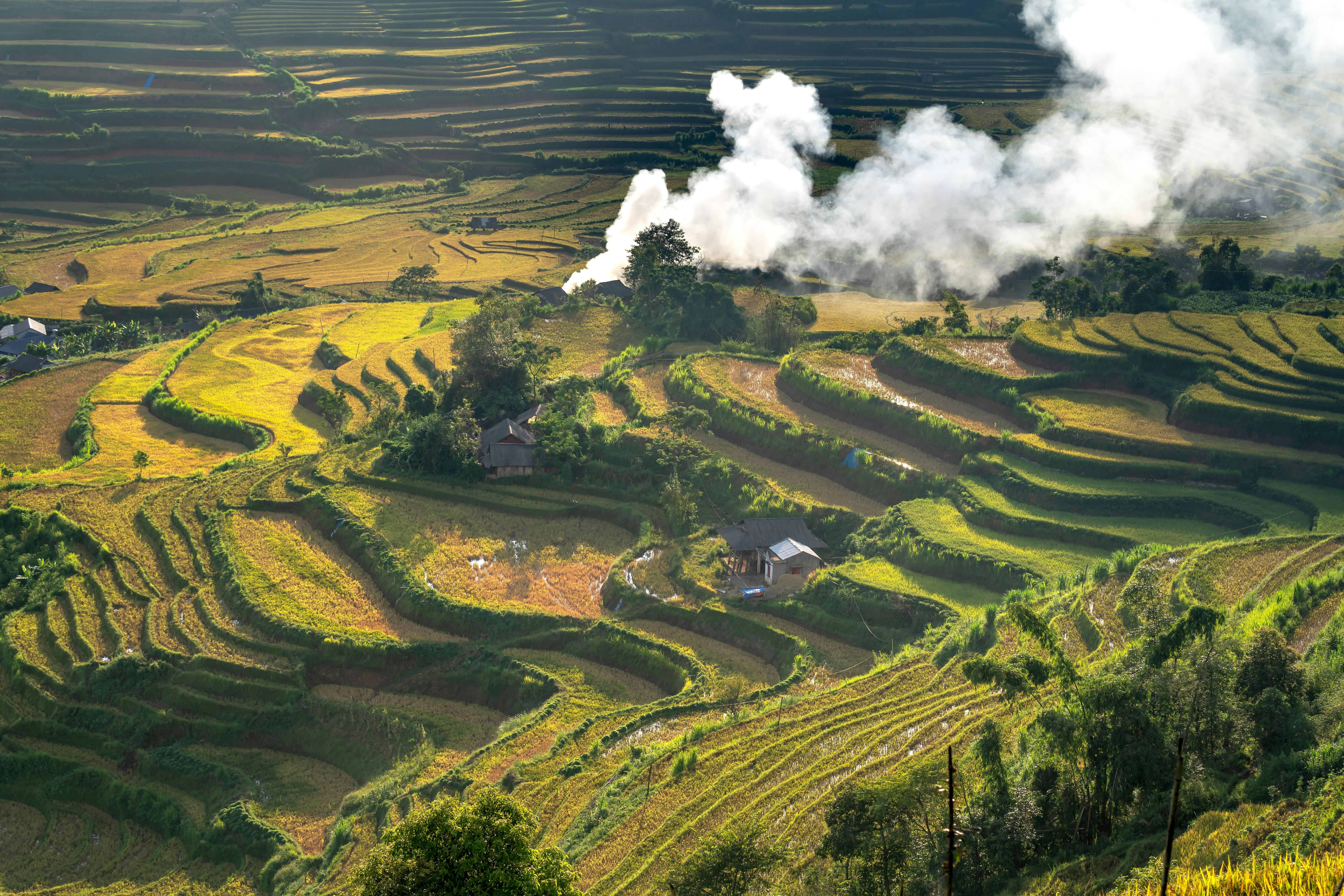
If you’re planning a trip to Sa Pa, one experience stands above all: trekking.
But is trekking in Sapa really worth it? What should you expect? And how do you avoid tourist traps?
This guide will answer everything.
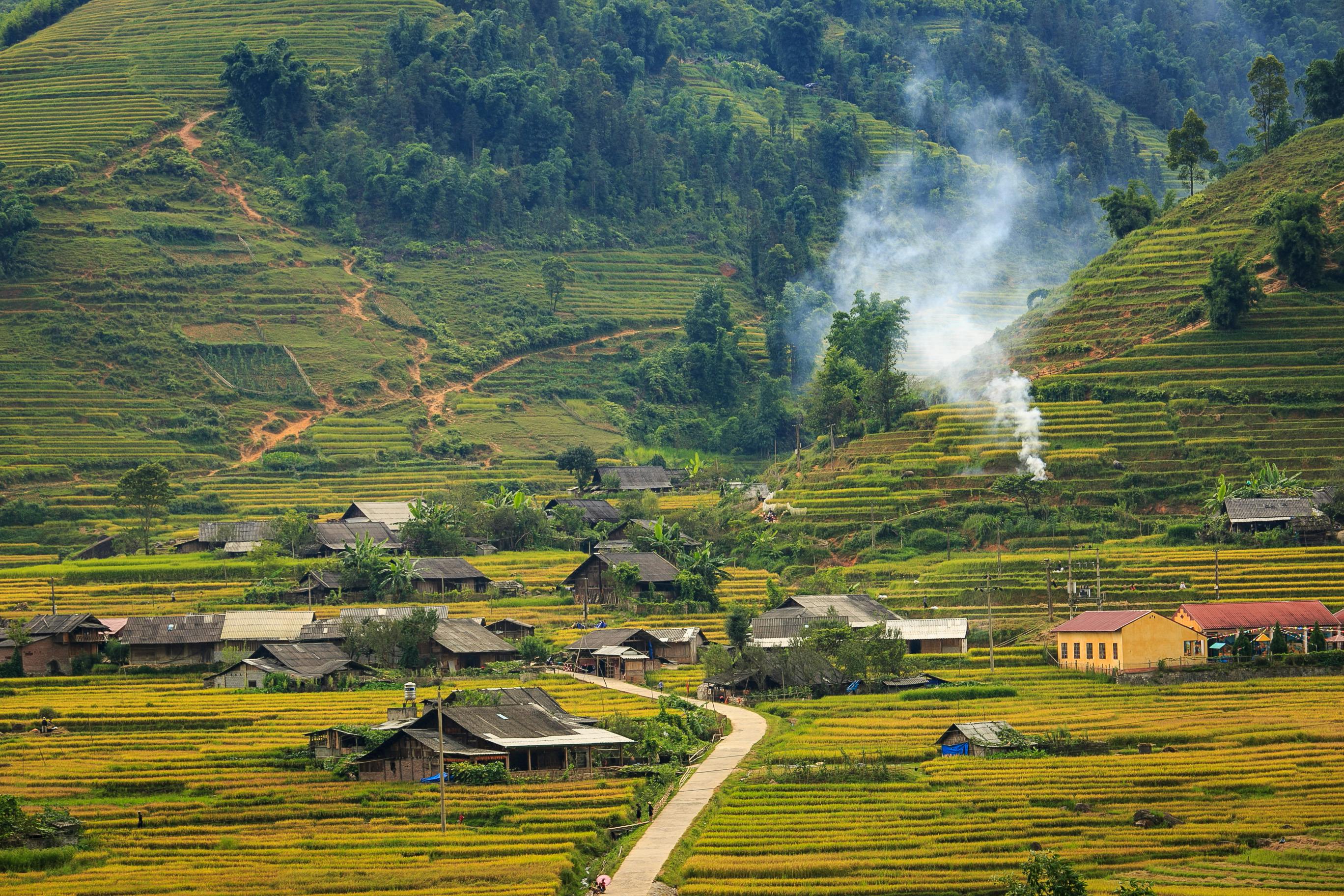
🌿 Why Trekking in Sapa is So Special
Unlike typical hikes, trekking in Sapa means:
- Walking through rice terraces carved into mountains
- Visiting ethnic minority villages
- Experiencing daily local life
👉 It’s not just a hike – it’s a cultural journey
🗺 Best Trekking Routes in Sapa
🔹 Muong Hoa Valley (Most Popular)
- Route: Lao Chai – Ta Van
- Difficulty: Easy to moderate
- Duration: 1 day or overnight
👉 Perfect for first-time visitors
🔹 Ta Phin Village (Less Touristy)
- Red Dao community
- Quiet and authentic
- Great for cultural immersion
🔹 Y Linh Ho Route (Off-the-beaten-path)
- Fewer tourists
- More challenging terrain
- Stunning landscapes
🏡 Should You Do a Homestay?
👉 YES – if you want the real experience
- Stay with local families
- Enjoy home-cooked meals
- Learn about traditions
👉 This is what European travelers love most
⚠️ Common Mistakes to Avoid
- Booking super cheap tours → crowded & rushed
- Not checking weather → poor visibility
- Wearing wrong shoes → very important
🎒 What to Pack
- Trekking shoes
- Rain jacket
- Light backpack
- Cash (villages don’t accept cards)
⏰ Best Time for Trekking
- 🌾 September – October → golden rice fields
- 🌿 March – May → green landscapes
Avoid:
- Heavy rain season (slippery trails)
💡 Is Sapa Trekking Worth It?
👉 YES – especially if you:
- Love nature and culture
- Want something authentic
- Prefer experiences over luxury
🎯 Trek with Azotar Travel
At Azotar Travel, we focus on real experiences:
- Local ethnic guides
- Small group trekking
- Flexible routes
- No tourist traps
👉 You don’t just see Sapa – you live it
Something you should know about Sapa before starting a trip:

0 Comment